Vegetables & Herbs
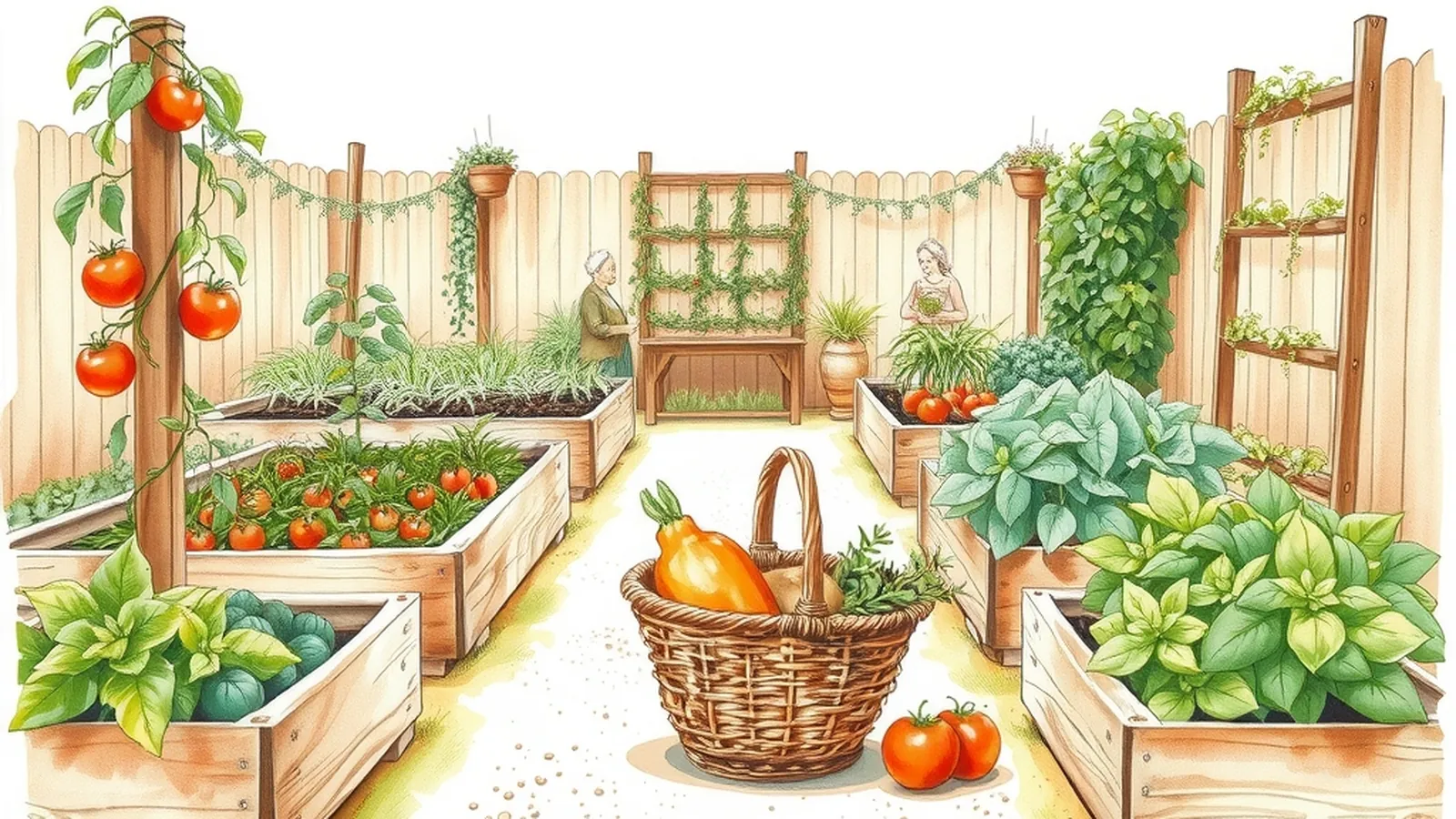
Growing your own vegetables and herbs comes down to a few simple ideas: pick crops you'll actually eat, plant them at the right time for your area, give them sun, water and decent soil, and harvest them often. The guides below take you crop by crop, from tomatoes and peppers to greens, potatoes and herbs, and then into the planning tricks that keep a small garden producing from spring into fall.
Every guide is written for beginners with limited time and space. You'll find planting steps, seasonal timelines, troubleshooting tables and something you can do this weekend. We won't promise you a certain harvest, because results depend on your climate, soil and care, but we'll help you avoid the most common mistakes.
 Easy VegetablesA beginner crop table with season, space and sun needs, so your first garden starts with wins.
 Growing TomatoesPlant deep, support early and water evenly: a full tomato season from planting to picking.
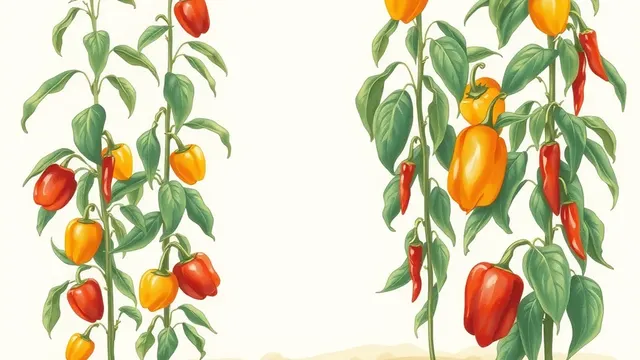 Growing PeppersPeppers love heat and patience. Start early, plant late and keep them steady for a long harvest.
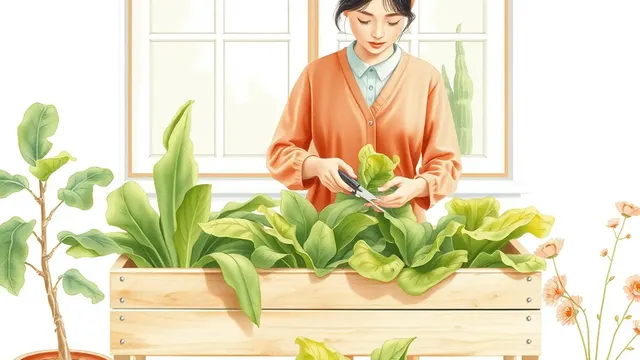 Lettuce and GreensCool-season salads from seed, picked a few leaves at a time, with tips to slow bolting.
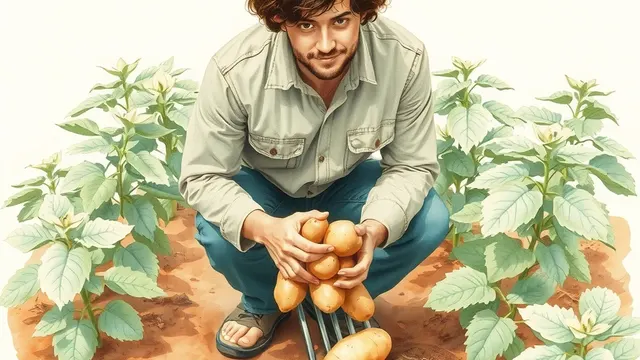 Growing PotatoesPlant seed potatoes in cool spring soil, hill them as they grow and cure your harvest for storage.
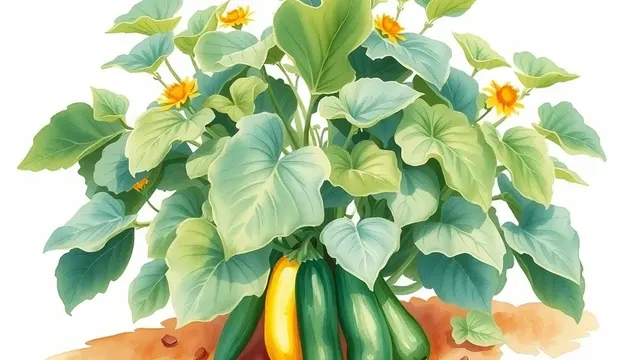 Squash and ZucchiniBig plants, fast growth: how to give squash room, help pollination along and pick at the right size.
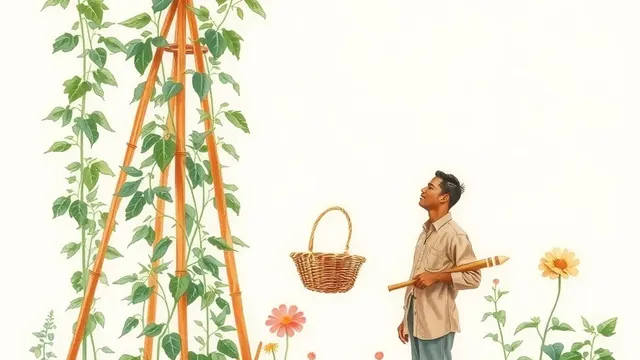 Beans and PeasBush or pole, spring peas or summer beans: easy sowing, simple trellises and steady picking.
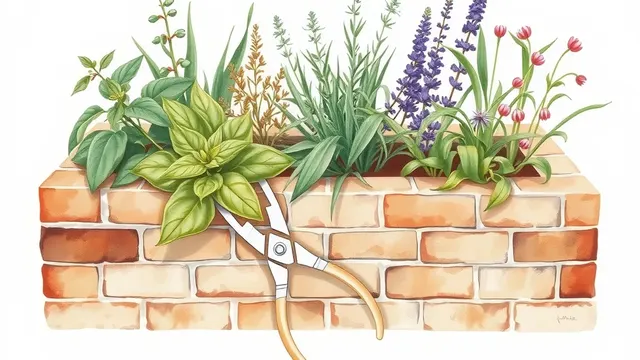 Growing HerbsWhich herbs want full sun, which handle shade, and how to snip them so they stay full and leafy.
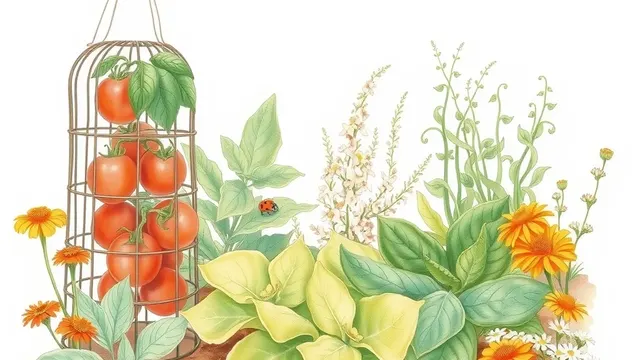 Companion PlantingTraditional plant pairings, what the evidence really says, and the parts of the idea worth using.
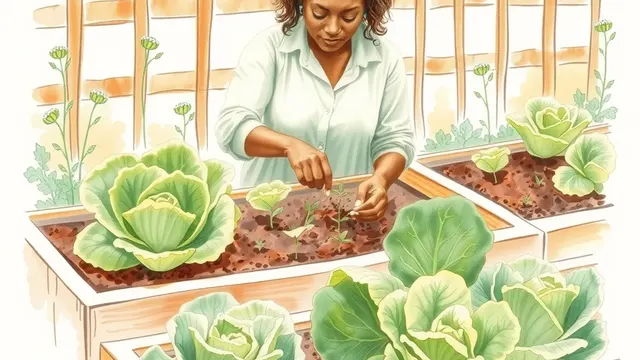 Succession PlantingSow a little, often, and follow one crop with the next for a steadier harvest from the same space.
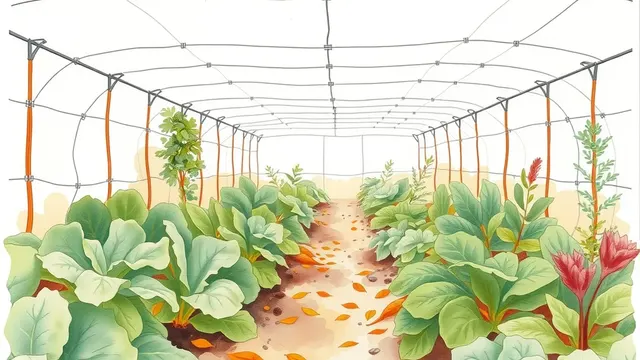 Fall GardenCool-season crops, timing back from your first frost and row covers to stretch the harvest.
 Harvesting VegetablesSigns of ripeness for common crops, why picking often helps and how to keep produce fresh.
Where to start
If this is your first vegetable garden, here's a sensible reading order:
- Choose your crops. The easiest vegetables to grow includes a table of beginner crops with their season, space and sun needs.
- Read up on your main crop. Most people start with tomatoes, and many add lettuce and greens for an early win in spring.
- Tuck in some herbs. Growing herbs explains which ones want full sun and which handle some shade.
- Plan the season. Succession planting and the fall garden guide help you keep beds productive after the first crops finish.
- Pick at the right time. Harvesting vegetables lists the signs of ripeness for common crops.
Cool-season and warm-season crops
Almost every crop in this section falls into one of two groups, and knowing which is which solves most timing questions.
| Cool-season crops | Warm-season crops | |
|---|---|---|
| Examples | Lettuce, spinach, peas, kale, radishes, potatoes, carrots | Tomatoes, peppers, beans, squash, basil |
| When to plant | Early spring and late summer for fall | After your last spring frost, once the soil warms |
| Frost | Many handle light frost | Killed by frost |
| Summer heat | Often bolt or stop producing | Thrive |
The exact dates depend on where you live. Your hardiness zone tells you which perennials survive winter, but your frost dates are what set the vegetable calendar. Our guide to planting zones explains the difference.
Matching crops to your space
You don't need a big yard. A few ideas based on what you have:
- A sunny balcony or patio: lettuce, herbs, bush beans, compact peppers and a cherry tomato in large pots. Our container gardening guide covers pot size and potting mix.
- A small yard: one or two raised beds can grow a surprising variety when you use trellises and succession planting. See raised beds for sizing and filling them.
- A shady spot: leafy greens and herbs like parsley, chives and mint handle part shade better than fruiting crops.
- A larger plot: add space-hungry crops like squash, potatoes and pole beans on a sturdy trellis.
The foundations under every crop
Healthy vegetables start below ground. If your plants struggle no matter what you grow, the answer is often in the soil, the light or the watering routine. Our Garden Basics section covers sun, soil, compost, watering and fertilizer in depth, and it's worth a read before your first planting day. When pests and diseases show up, our Pests & Problems section starts with the gentlest fix first.
When the harvest comes in
Once your garden gets going, you may have more than you can eat fresh. Freezing, drying and canning can stretch the season. Our Backyard Homestead section explains each method, and canning should always follow tested recipes from the USDA or the National Center for Home Food Preservation.
Free help and paid programs
You don't need to buy a course to grow good vegetables. Your state's Cooperative Extension service offers local, research-based advice, and many offices have Master Gardener volunteers who answer questions. If you're considering a paid gardening course or plan, our Choosing Plans & Courses section explains how to judge one and where to find free alternatives first.
Something to do this weekend
Stand in your sunniest outdoor spot at a few different times on Saturday and note when it gets direct sun. Then write down three vegetables or herbs your household eats every week. Those two lists are all you need to pick your first crops.
Want a step-by-step plan or guide?
Some people like the structure of a paid guide or set of plans. This button opens a third-party program from one of our advertising partners. Its claims are its own, not ours, so weigh them against our checklist for judging paid plans.
See the partner program →We may be paid when you click. The program shown can change. Read its terms before you buy anything. How this works
Frequently asked questions
What vegetables should a beginner grow first?
Start with three to five forgiving crops you already eat, such as bush beans, lettuce, radishes, cherry tomatoes and basil. Our easy vegetables guide has a table of season, space and sun needs to help you choose.
When should I plant my vegetable garden?
It depends on your local frost dates. Cool-season crops like peas and lettuce go in around your last spring frost or a little before, and warm-season crops like tomatoes and squash go in after it, once the soil warms.