How to Grow Peppers
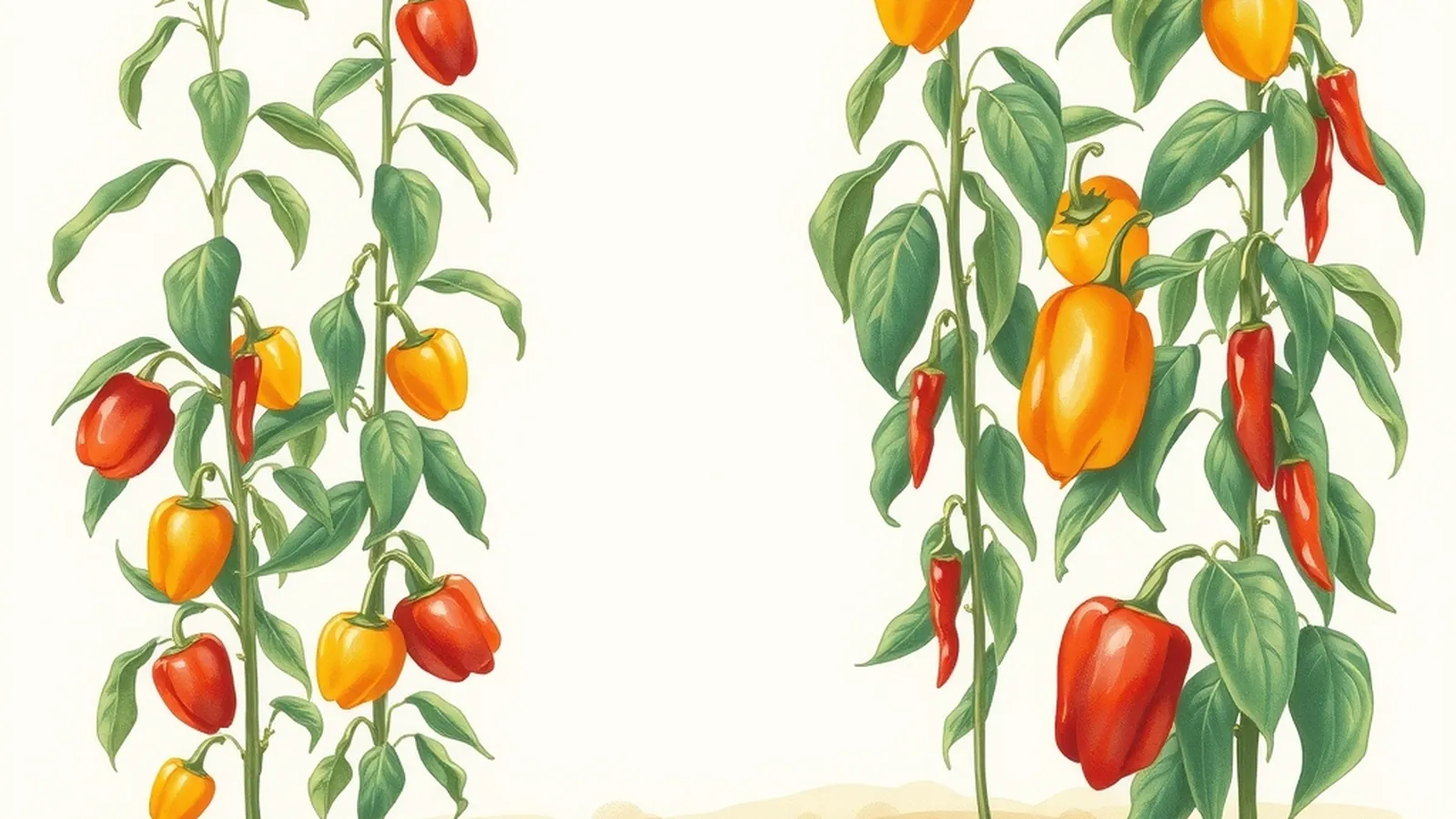
To grow peppers, start seeds indoors well before your last frost or buy transplants, wait until the soil is truly warm before planting outside, give each plant full sun and a small stake, and water evenly. Peppers are slow to get going, but once summer heat arrives they keep producing until frost.
Sweet bells, mild frying peppers and hot chiles all grow in much the same way. They're a good next step once you've tried a few simpler crops, and they fit nicely into the summer plans laid out across our Vegetables & Herbs section.
Why warmth is everything
Peppers come from warm climates and they don't like cold at any stage. Seeds sprout slowly in cool rooms, young plants stall in cold soil, and frost kills them. The single biggest favor you can do your peppers is to be patient in spring.
A good rule of thumb is to wait a week or two after your last frost date, until nights stay mild and the soil feels warm to your hand. Your frost dates depend on your location, so check with your local Cooperative Extension office for your area's timing.
Starting pepper seeds indoors
Many people buy transplants, which is a fine choice. If you want an unusual variety, though, you'll probably need to grow from seed. Peppers need a long head start indoors, often around eight to ten weeks before your last frost. The seed packet will give a more specific window for that variety.
- Use a seed-starting mix, not garden soil, in small cells or pots with drainage holes.
- Keep them warm. Pepper seeds sprout much faster on a warm surface. A seedling heat mat helps in a cool house.
- Give strong light as soon as seedlings appear. A sunny window often isn't enough, and leggy seedlings are weak. A simple shop light or grow light hung close above them works well.
- Pot up into slightly larger containers when the first true leaves appear.
- Harden off for about a week before transplanting, starting with a few hours outside in a sheltered spot.
Our full guide to starting seeds indoors walks through containers, lighting and hardening off in more detail.
Planting peppers outside
- Sun: at least six to eight hours of direct sun a day.
- Soil: well-drained and rich in organic matter. Mix in some compost.
- Depth: set plants at the same depth they grew in their pots, or very slightly deeper. Unlike tomatoes, they don't root along buried stems.
- Spacing: follow the tag or seed packet. Close enough that leaves touch as they grow helps shade the fruit, but leave room for air to move.
- Mulch: add it after the soil has warmed, not before, so you don't trap the cold in.
In cooler regions, some gardeners plant peppers in containers on a sunny patio or against a south-facing wall, where it stays warmer.
Support and care
Pepper stems are brittle, and a plant heavy with fruit can snap in wind or rain. A short stake or small cage put in at planting time keeps plants upright. Tie loosely with soft ties.
Watering: keep the soil evenly moist but not soggy. Peppers in pots dry out fast in summer and may need water daily. Uneven watering can cause blossom-end rot, the same dark patch that shows up on tomatoes.
Feeding: a modest amount of balanced fertilizer at planting, then a light feeding when the first fruits set. Heavy nitrogen leads to lots of leaves and few peppers. Follow the label rates.
Heat waves: in very hot weather, peppers may drop flowers. They usually start setting fruit again when temperatures ease. Light afternoon shade can help in the hottest regions.
A sample pepper timeline
This example assumes a garden with a last frost in late spring. Shift the dates to match yours.
| When | What to do |
|---|---|
| Late winter | Sow seeds indoors on a warm surface under lights |
| Early spring | Pot seedlings up into larger containers |
| A week or two before planting | Harden off outside |
| A week or two after last frost | Plant out once soil is warm, add stakes |
| Early summer | First flowers, light feeding after fruit sets |
| Mid to late summer | Steady harvests, keep picking |
| Before first fall frost | Pick everything left, ripe or not |
When and how to harvest
You can pick peppers at almost any size once they're firm and glossy. Green bells are fully edible; letting them turn red, yellow or orange makes them sweeter but takes extra weeks. Hot peppers often get hotter as they ripen.
Use clean pruners or scissors to cut the stem rather than pulling, which can break branches. Picking regularly encourages the plant to set more fruit.
Common pepper problems
- Plants sit still for weeks: usually cold soil. Wait it out.
- Leaves yellow from the bottom: may be overwatering or low nutrients. Check soil moisture before adding anything.
- Sunscald (pale, papery patches on fruit): fruit was exposed to strong sun. Leaves that grow together help shade it.
- Aphids under leaves: a strong spray of water often knocks them off.
How peppers fit with other crops
Peppers and tomatoes share warm-season timing and full-sun needs, so it's easy to plan them together; read how to grow tomatoes for the differences in planting depth and support. Because peppers go in late, you can grow a quick spring crop of lettuce in the same spot first; see growing lettuce and greens. And if you want something sturdier that handles cool spring weather better, growing potatoes is a good contrast to the warmth-loving pepper.
Should you pay for a growing course?
You'll see paid courses promising expert pepper results. Some are useful, many repeat what's free from your Extension office. Our guide to whether garden courses are worth it has questions to ask before you spend anything.
Something to do today
Look up your average last frost date and count back about ten weeks. Write that date on your calendar as "start peppers." If that date has already passed this year, plan to buy two or three healthy transplants instead.
Want a step-by-step plan or guide?
Some people like the structure of a paid guide or set of plans. This button opens a third-party program from one of our advertising partners. Its claims are its own, not ours, so weigh them against our checklist for judging paid plans.
See the partner program →We may be paid when you click. The program shown can change. Read its terms before you buy anything. How this works
Frequently asked questions
Why are my pepper plants not growing?
Cold soil and cool nights are the usual reason. Peppers often sit still for weeks after planting if it's chilly, then take off once the weather warms.
Can I pick green peppers or should I wait for red?
Either is fine. Green bell peppers are simply unripe. Leaving them to change color makes them sweeter but takes longer, and the plant may set fewer new fruits meanwhile.
Do hot peppers and sweet peppers grow the same way?
Mostly, yes. Both need warmth, sun and even watering. Hot peppers can be slower, and you should wear gloves when handling and cutting them.