Small Space Gardening
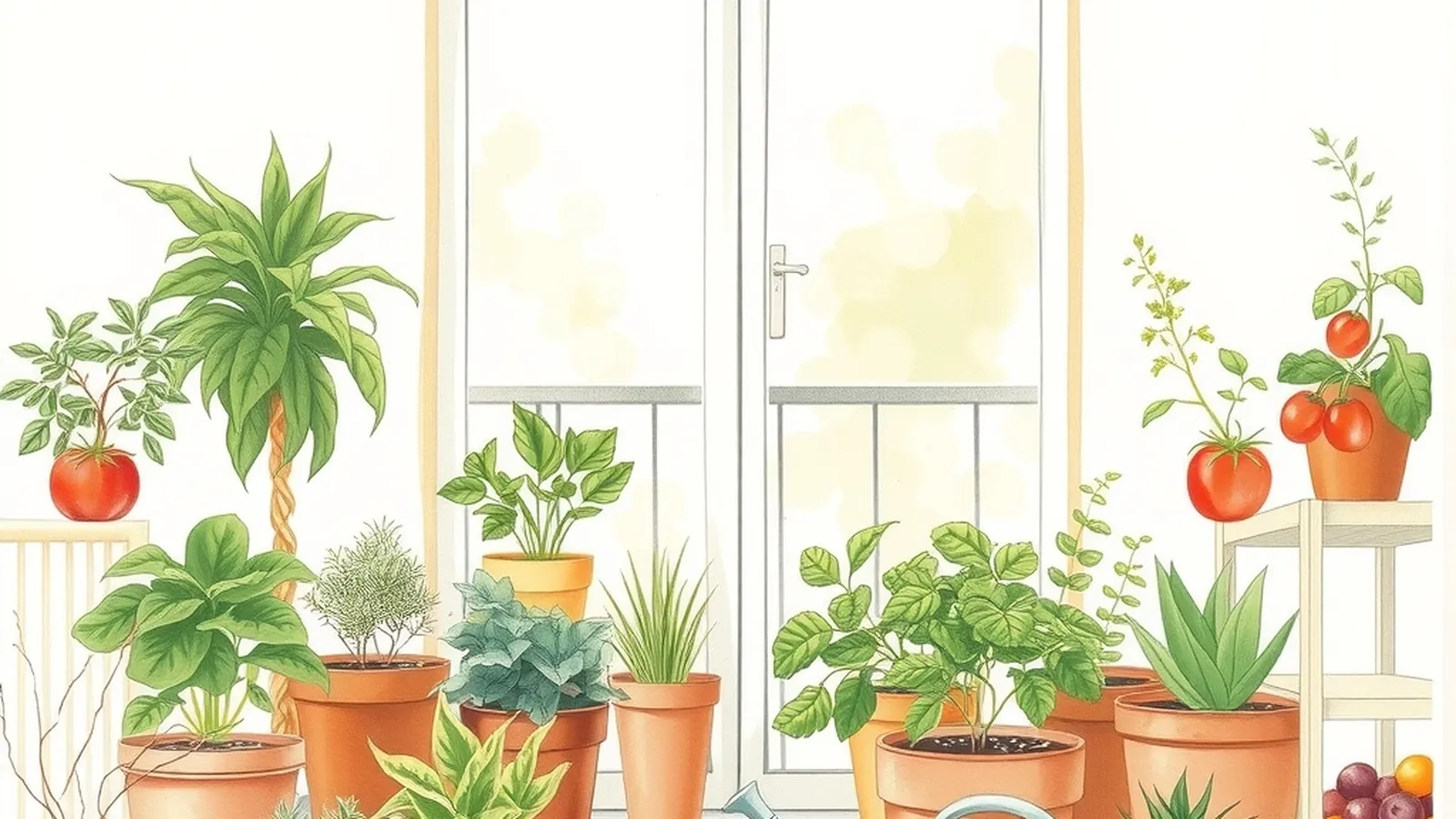
You don't need a big backyard to grow some of your own food. A few well-chosen pots on a balcony, one raised bed beside a driveway, or a tray of greens on a kitchen counter can give you fresh herbs and salads and a real sense of what gardening feels like. Small spaces ask for a little more planning, because every square foot and every hour of sun counts, but they're also easier to keep up with on a busy week.
The guides below cover the main ways to grow in tight quarters, from building a bed to composting under your sink.
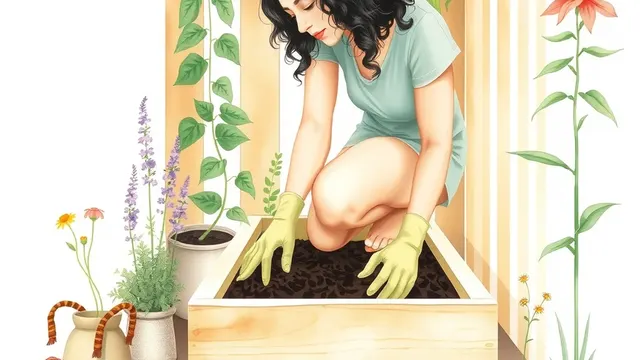 Raised BedsSize, materials, placement and soil for a raised bed you can build in a weekend.
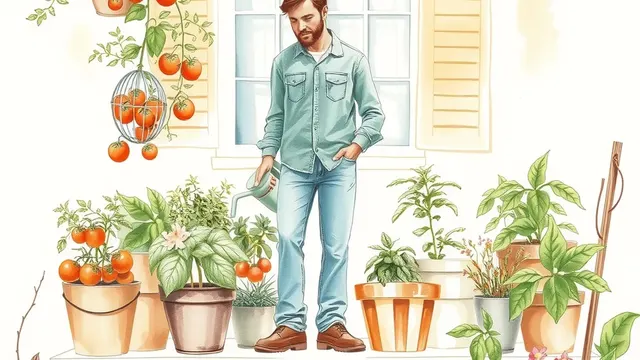 Container GardeningPot sizes, drainage, potting mix and watering habits for healthy plants in containers.
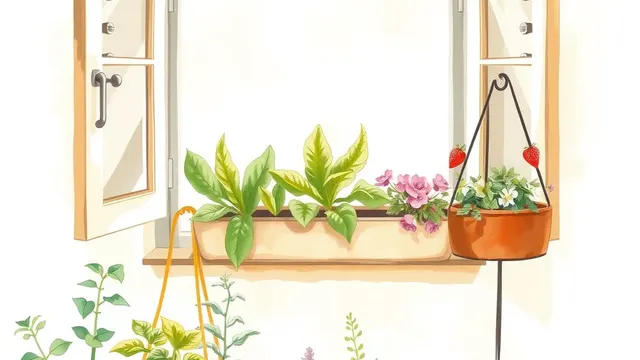 Balcony GardenPlan a balcony garden around weight, wind, lease rules and which way your balcony faces.
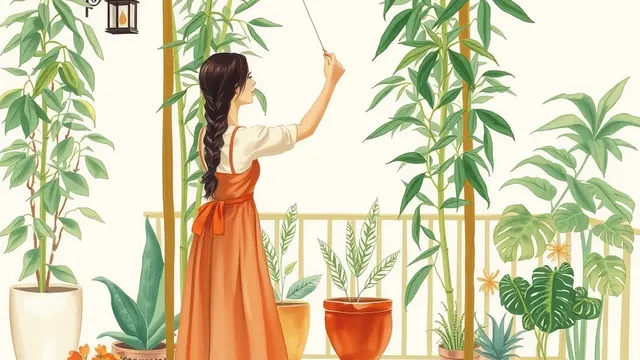 Vertical GardeningTrellises, wall pockets and climbing crops that help a small garden grow up instead of out.
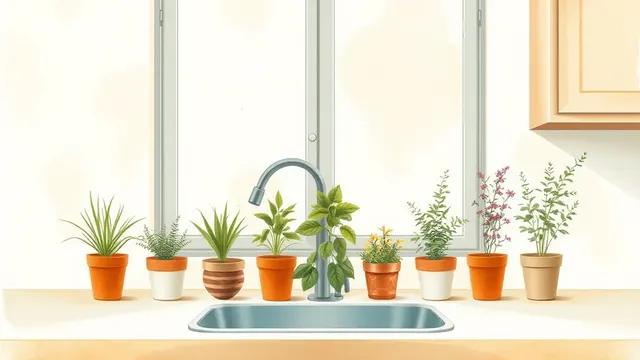 Indoor HerbsGrow basil, parsley, chives and more on a windowsill or under a simple grow light.
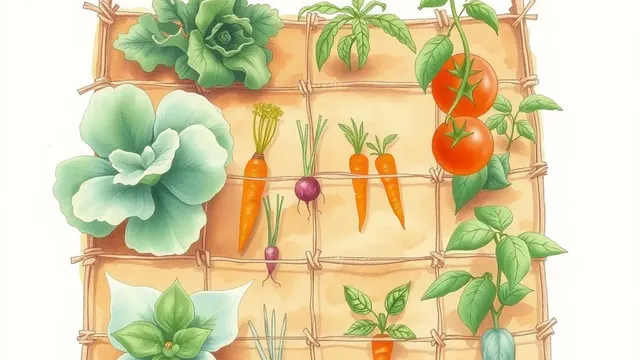 Square Foot GardeningPlant a small bed in a simple grid, with a spacing chart and an honest look at pros and cons.
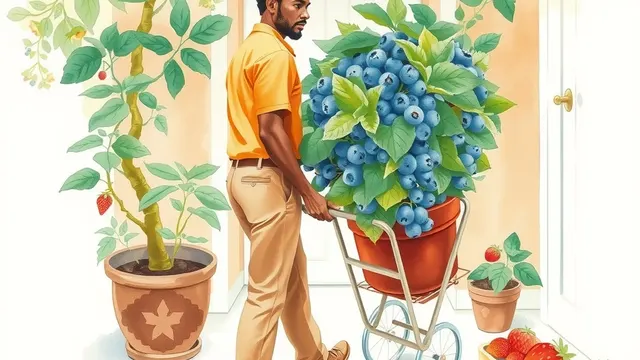 Fruit in ContainersDwarf fruit trees, strawberries and blueberries in containers, plus how to get them through winter.
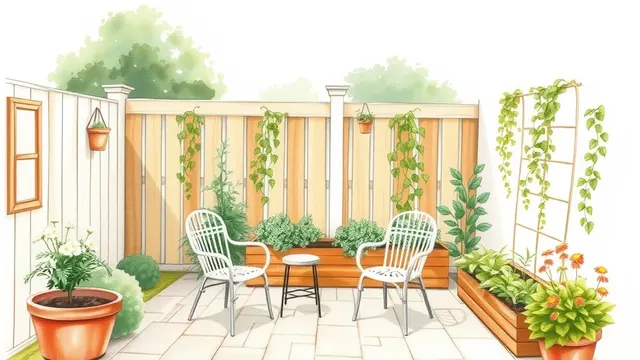 Small Yard DesignPlan a tiny backyard with zones for sitting, growing and privacy, built a step at a time.
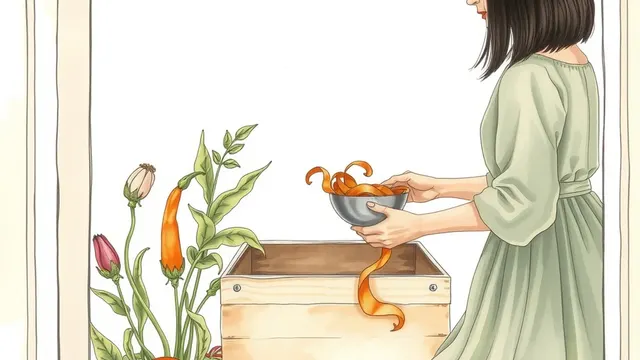 Apartment CompostingWorm bins, bokashi buckets and community drop-offs for composting without a backyard.
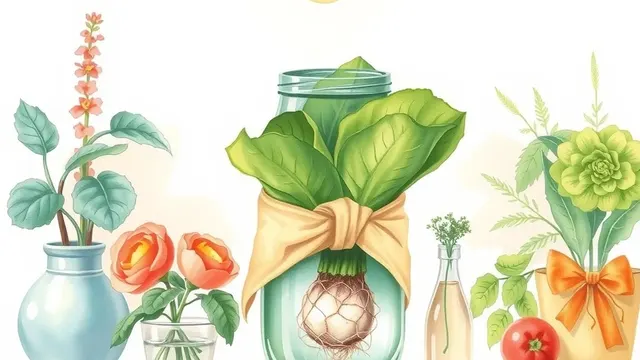 Hydroponics BasicsHow soil-free growing works, simple setups to start with and the upkeep to expect.
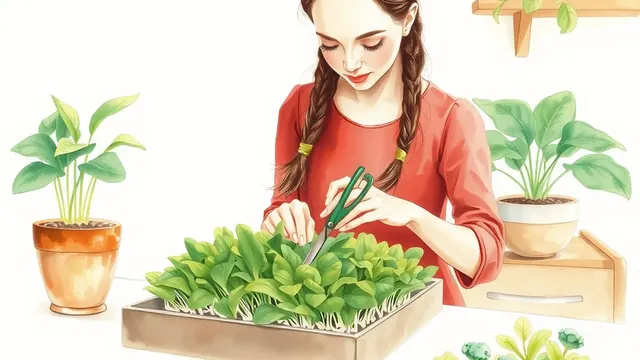 MicrogreensGrow trays of tiny greens on a counter in a couple of weeks, with clean, simple food safety habits.
Start with the space you actually have
Before you pick a project, take stock of three things: light, water and weight.
| Question | Why it matters | Where to read more |
|---|---|---|
| How many hours of direct sun does the spot get? | Fruiting crops need far more light than leafy ones | Balcony garden, indoor herbs |
| How far is the nearest faucet? | Pots dry out quickly and need frequent watering | Container gardening |
| Is it a balcony, deck or rooftop? | Wet soil is heavy, and rental rules may apply | Balcony garden |
| Do you have any ground at all? | Even a strip of yard can hold a raised bed | Raised beds, small yard design |
If you're not sure how to read your light, our guide to full sun vs partial shade explains how to map it hour by hour.
Pick a path that fits your home
Most people fall into one of a few situations. Here's where to begin for each:
- Renting an apartment with a balcony or patio. Start with container gardening, then read the balcony garden guide for wind, weight and lease questions.
- No outdoor space at all. Try indoor herbs or microgreens. Both fit on a counter or shelf.
- A small yard or side strip. A raised bed planted with the square foot method packs a lot into a little ground.
- A tiny backyard you want to enjoy, not just plant. The small yard design guide shows how to fit seating, edibles and privacy together.
- Curious about soil-free growing. Hydroponics basics explains simple countertop setups and the upkeep they need.
Grow up, not out
When floor space runs out, walls and railings take over. Pole beans, peas, cucumbers and some squash will happily climb a trellis, and our vertical gardening guide covers supports and watering. For crop-by-crop advice on climbing plants and greens, the Vegetables & Herbs section goes deeper, starting with the easiest vegetables to grow.
Close the loop on food scraps
Small homes still produce coffee grounds and vegetable peels. A worm bin or a sealed fermenting bucket can turn them into something useful for your pots, and many cities run drop-off sites. See apartment composting for options that don't smell up a kitchen.
Indoor growing and houseplants overlap
Many indoor food crops share needs with houseplants: bright windows, good drainage and the right pot size. If you're growing inside, the Houseplants section is a useful companion, especially its guide to grow lights for dim apartments.
Common small-space mistakes
- Buying plants before checking how much sun the spot gets
- Choosing pots that are too small, which dry out fast
- Using garden soil in containers instead of potting mix
- Starting too many projects in the first season
Start with one or two, learn how your space behaves, and grow from there.
A note on timing and local advice
Planting dates for anything outdoors depend on your climate and frost dates, which vary widely across the US. Your state's Cooperative Extension office can give advice that fits your area, and Master Gardener volunteers often answer questions about containers and city gardens. Our free gardening and home help guide explains how to reach them.
Before you pay for a growing kit, system or online course, read our Choosing Plans & Courses section. Plenty of small-space growing can be learned for free, and it helps to know what questions to ask.
Something to do this weekend
Stand where you'd like to grow and note when direct sun hits the spot and when it leaves. Do it once in the morning, once at midday and once late afternoon. That rough sun count will tell you which guide above to open first.
Want a step-by-step plan or guide?
Some people like the structure of a paid guide or set of plans. This button opens a third-party program from one of our advertising partners. Its claims are its own, not ours, so weigh them against our checklist for judging paid plans.
See the partner program →We may be paid when you click. The program shown can change. Read its terms before you buy anything. How this works
Frequently asked questions
Can I really grow vegetables if I only have a balcony or a sunny window?
Yes, within limits. Herbs, salad greens, microgreens and compact tomatoes and peppers often do well in pots, as long as they get enough light and regular water. Start with one or two crops and add more once you know how your space behaves.
What is the first thing I should figure out before I buy pots or plants?
Figure out how much direct sun your spot gets and roughly when. Light decides what will grow far more than the size of the space does, so track it for a day or two before you shop.