Vertical Gardening Ideas
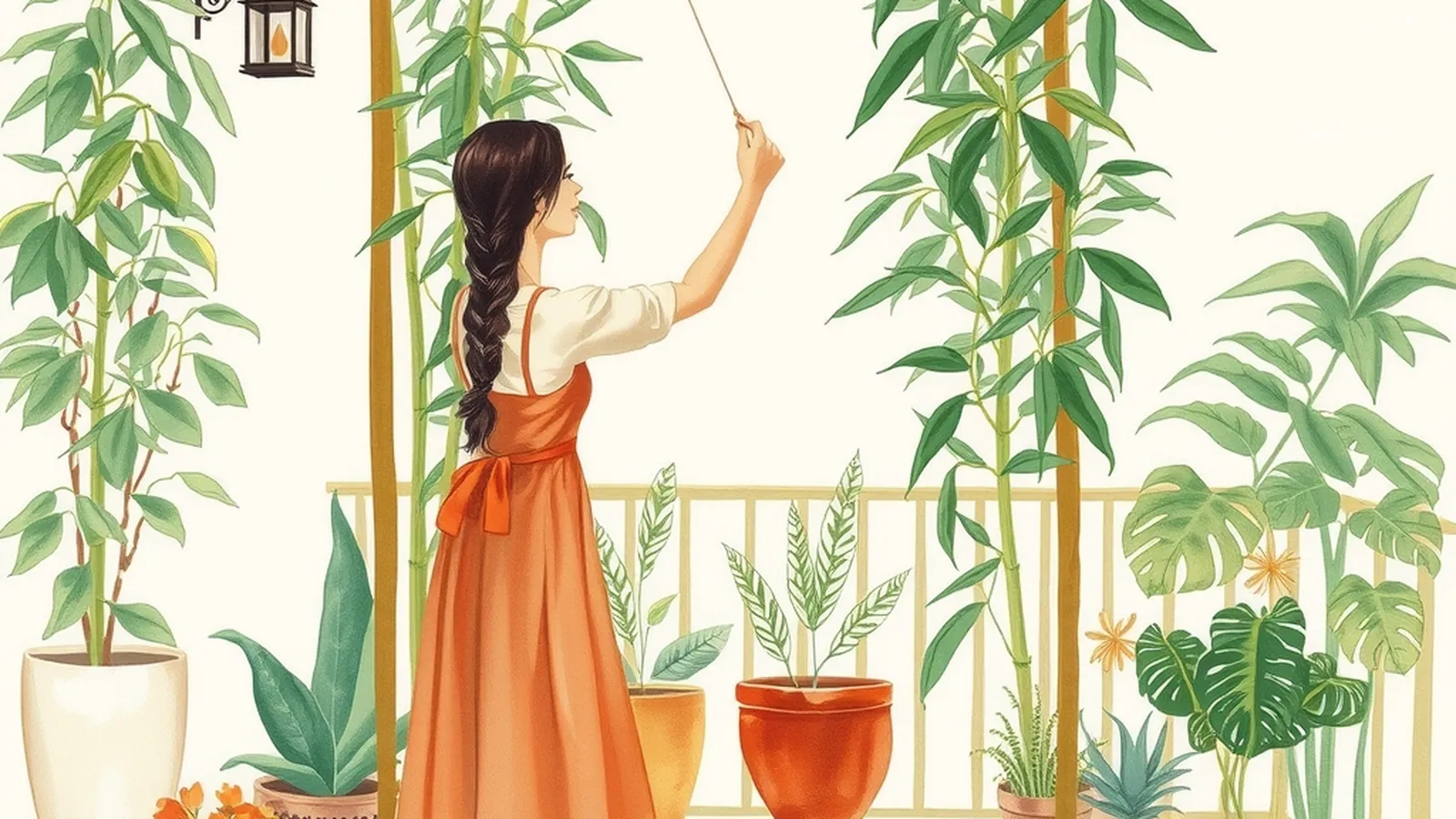
Vertical gardening means growing up instead of out, using trellises, wall pockets, railing planters and tiered shelves so plants take up wall or air space instead of floor space. The easiest place to start is a simple trellis behind a pot or bed, planted with a climbing crop like pole beans, peas or cucumbers.
Going vertical is one of the best ways to stretch a small patio, balcony or side yard, which is why it sits near the center of our Small Spaces section. Here's how to pick a setup, choose plants that like to climb and keep everything watered.
Why grow vertically?
- More plants in less space. A single trellis can hold crops that would otherwise sprawl across a whole bed.
- Better airflow. Leaves held off the ground dry faster after rain, which can help reduce some leaf diseases.
- Easier picking. Beans and cucumbers hang at eye level instead of hiding under leaves.
- Privacy and shade. A leafy trellis can screen a view or shade a hot wall.
The trade-offs: vertical setups need sturdy support, can shade plants behind them, and often dry out faster.
Six vertical setups compared
| Setup | Best for | Watch out for |
|---|---|---|
| Trellis in a pot or bed | Beans, peas, cucumbers | Needs a deep, heavy pot so it doesn't tip |
| A-frame trellis | Squash, melons, cucumbers | Takes some floor space; great over a bed |
| Wall pocket planters | Herbs, lettuce, strawberries | Dry out quickly; check daily |
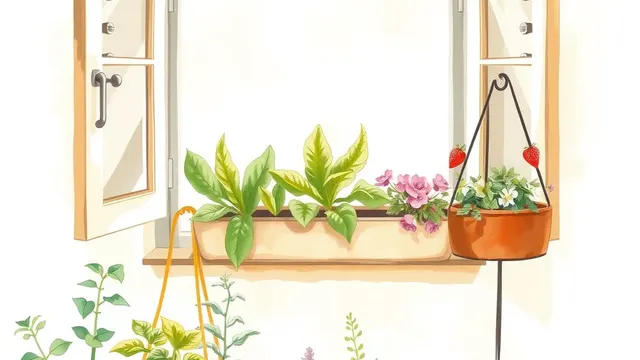
| Railing planters | Herbs, flowers, greens | Mount on the inside of railings only, if allowed |
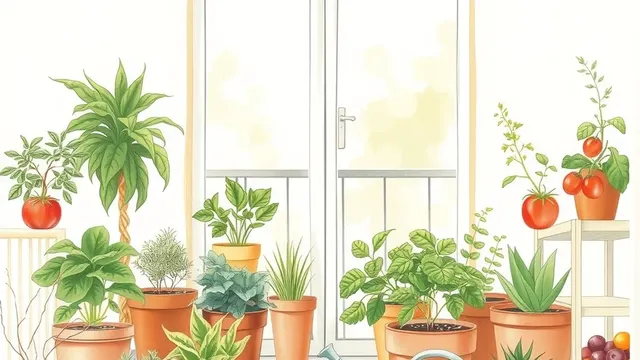
| Tiered or ladder shelf | Mixed pots of herbs and greens | Lower shelves get less light |
| Hanging baskets | Strawberries, trailing herbs, cherry tomatoes | Heavy when wet; need a strong hook |
Choosing plants that climb
Not every plant wants to go up. These do it naturally or with a little help:
- Pole beans twine around strings and poles on their own.
- Peas grab on with tendrils and like netting or thin supports.
- Cucumbers climb with tendrils and are easy to train.
- Small melons and winter squash can climb a strong trellis; support heavy fruit with a sling made of soft fabric.
- Indeterminate tomatoes keep growing all season and need tying to a stake or trellis.
- Nasturtiums and morning glories add flowers, though check pet safety before planting near curious animals.
For bush vs pole types, succession sowing and how to build a simple bean trellis, our guide on how to grow beans and peas goes deeper.
Building a simple pot trellis
You can make a basic support in an afternoon:
- Choose a pot at least 5 gallons in size so it stays stable.
- Push three or four bamboo stakes or garden poles into the mix around the edge, angling them in to meet at the top.
- Tie the tops together with garden twine to form a teepee.
- Wrap twine around the poles every foot or so to give tendrils something to grab.
- Sow pole beans or peas at the base of each pole, following the seed spacing on the packet instructions.
For a wall or fence trellis, attach the support firmly and leave a small gap between it and the wall for airflow.
Mounting on walls safely
If you plan to hang pockets or a trellis on a wall, get your landlord's permission if you rent. Wet soil is heavy, so mount into studs or use anchors rated for the weight, and follow the manufacturer's weight limits. Our guide on how to hang shelves explains finding studs and choosing anchors. Use a steady ladder with a helper for anything overhead, and wear safety glasses when drilling.
Keeping it watered
Water is the biggest challenge in vertical gardens. Small pockets and hanging baskets dry out fast, and top pockets can drip onto bottom ones.
- Check soil daily in warm weather.
- Water the top tier first and let it drain down.
- Group thirsty plants together so you don't overwater drought-tolerant herbs.
- Consider self-watering wall planters or a simple drip line on a timer if you have an outdoor faucet.
- Add a thin layer of mulch to larger pots to slow evaporation.
Light and shading
A tall trellis casts a shadow. In the Northern Hemisphere, putting tall plants on the north side of a bed or balcony keeps them from shading shorter crops. On a ladder shelf, put sun-lovers on top and shade-tolerant greens on lower rungs.
Example: a fence-line vertical garden
Example (fictional): Marcus has a small backyard with a sunny wooden fence along one side. With the landlord's permission, they screwed a panel of cattle-style wire fencing to two posts set just in front of the fence, leaving a gap for air. They planted cucumbers and pole beans along the base in a narrow raised strip and hung three fabric pockets of herbs from the same frame. The beans needed little help; the cucumbers needed a few gentle ties early on.
A quick vertical shopping list
Before you buy, check what you already have. A basic vertical project usually needs:
- A support: stakes, a trellis panel, netting or a ladder shelf
- Garden twine or soft plant ties
- Containers or pockets with drainage, plus saucers or a drip tray underneath
- Potting mix
- Seeds or young plants of a climbing crop
- Mounting hardware rated for the weight, if anything goes on a wall
At the end of the season, cut vines off the support, compost healthy plant material and store trellises somewhere dry so they last.
Where to go next
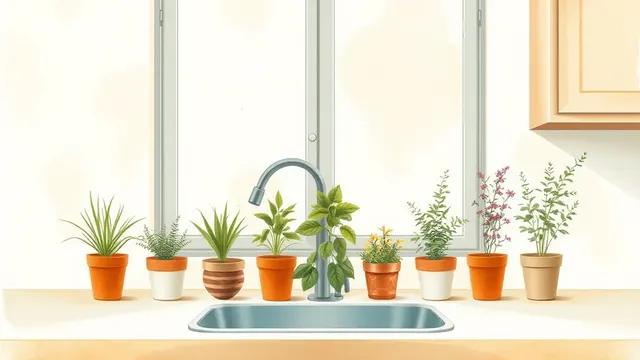
- Bring your vertical ideas inside: indoor herbs fit neatly on a tiered shelf near a bright window.
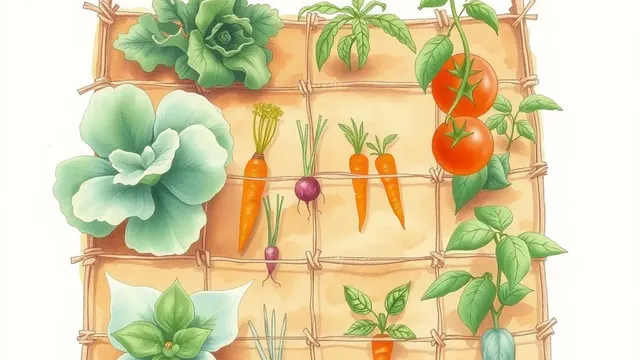
- Pair a trellis with square foot gardening, which places climbing crops along the north edge of the grid.
- If you're working on a balcony, the balcony garden guide covers wind and weight limits before you hang anything.
Something to do today
Look at your space and find one vertical surface that gets sun: a fence, railing or wall. Decide whether a freestanding teepee, an A-frame or a wall-mounted option fits best, and if you rent, ask your landlord before you buy hardware.
Want a step-by-step plan or guide?
Some people like the structure of a paid guide or set of plans. This button opens a third-party program from one of our advertising partners. Its claims are its own, not ours, so weigh them against our checklist for judging paid plans.
See the partner program →We may be paid when you click. The program shown can change. Read its terms before you buy anything. How this works
Frequently asked questions
What vegetables grow best vertically?
Plants that naturally climb or trail are the easiest: pole beans, peas, cucumbers, small melons and some winter squash. Indeterminate tomatoes also do well tied to a tall stake or trellis.
Do vertical gardens need more water?
Often, yes. Wall pockets and small hanging planters hold little soil and sit in moving air, so they dry out faster than pots on the ground. Check them daily in warm weather and consider drip lines or self-watering pockets.
Can I attach a vertical planter to my wall if I rent?
Ask your landlord first. Freestanding options such as ladder shelves, A-frame trellises and planters with built-in trellises are often a better fit for renters because they don't need holes in the wall.