Balcony Garden Ideas
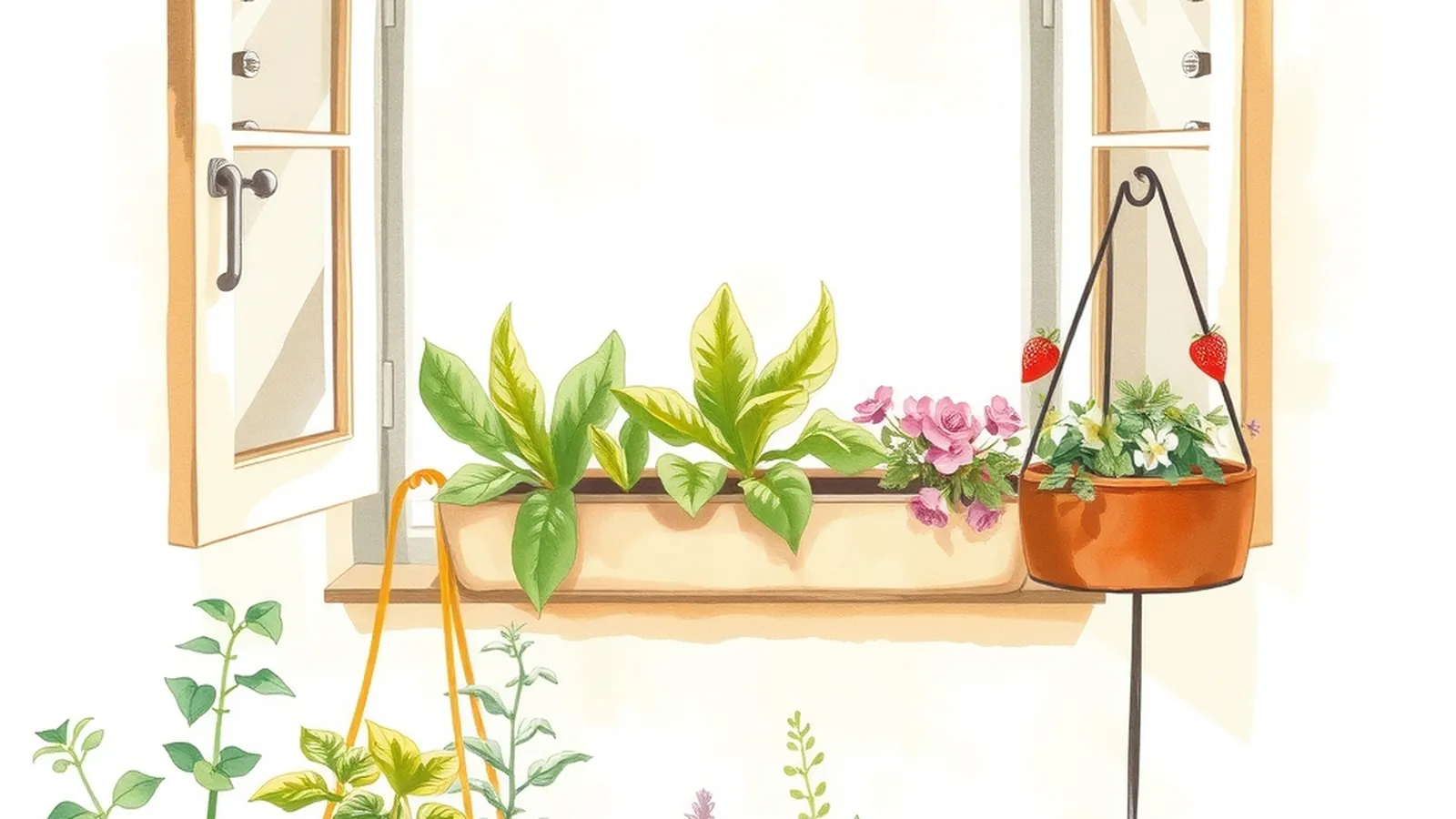
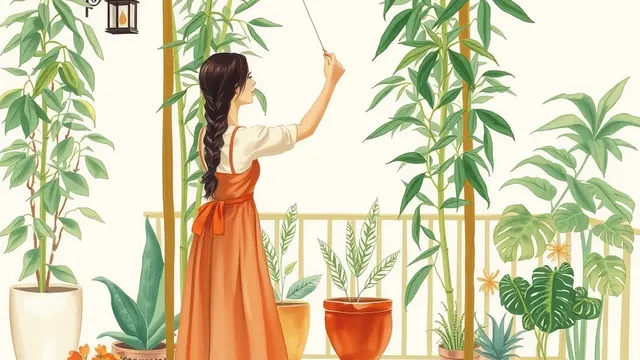
A good balcony garden starts with four checks: what your lease or building allows, how much weight the balcony can safely hold, how windy it gets, and which direction it faces. Once you know those, you can pick containers and plants that suit your real conditions instead of the ones in photos.
Balconies are one of the most common growing spaces covered in our Small Spaces section, and they come with their own set of quirks. Here's how to work with them.
Check the rules first
Before you buy anything, read your lease and any building rules, or ask your landlord or property manager. Common questions to ask:
- Are plants and planters allowed on balconies?
- Are railing planters or hanging baskets allowed?
- Are there limits on weight, size or attaching anything to walls?
- Where should water drain, and is dripping onto the unit below a problem?
Get the answer in writing if you can. It protects you and avoids a surprise at move-out.
Weight: think wet, not dry
Pots full of damp soil are heavy, and water adds a lot more than people expect. Your building is the only reliable source for how much your balcony can hold, so ask rather than guess. Meanwhile, a few habits keep weight sensible:
- Use lightweight containers such as plastic, resin or fabric.
- Use potting mix, which is lighter than garden soil.
- Place the heaviest pots against the wall of the building, not along the outer edge.
- Spread containers out rather than clustering them all in one corner.
Wind: the hidden challenge
Upper floors often get more wind than ground-level gardens. Wind dries soil quickly, tears leaves and tips over tall plants. To soften it:
- Choose wide, low pots that are hard to tip.
- Group plants so the sturdier ones shelter the tender ones.
- Use a slatted screen or a row of tall, tough plants as a windbreak, if your building allows it.
- Stake taller plants, and pick compact or dwarf varieties.
- Check soil moisture more often on windy days.
Never set pots on top of a railing or hang them on the outside of it, where a fall could hurt someone below.
Which way does your balcony face?
Direction shapes how much light you get. Use a compass or a map app once, then note when sun actually reaches your space, since nearby buildings and the balcony above can block it.
| Facing | Typical light | Good fits |
|---|---|---|
| South | Most sun through the day | Tomatoes, peppers, basil, rosemary, many flowers |
| West | Strong afternoon sun, can be hot | Heat-tolerant herbs and flowers, compact peppers |
| East | Gentle morning sun, afternoon shade | Lettuce, spinach, parsley, chives, strawberries |
| North | Bright shade, little direct sun | Mint, some salad greens, shade-loving ornamentals |
These are general patterns for the US. Your actual light depends on shading around you, so trust your own observations.
If your balcony is mostly shade, it may work better for foliage plants than for food. Our guide to low light houseplants explains what "low light" really means, and several of those plants enjoy a sheltered balcony in warm months.
Balcony plant picks
A starter list for most sunny or part-sun balconies:
- Herbs: basil, thyme, oregano, parsley, chives, mint (in its own pot, since it spreads)
- Greens: loose-leaf lettuce, arugula, spinach, Swiss chard
- Fruiting crops: patio tomatoes, compact peppers, bush beans
- Fruit: strawberries in a hanging basket or wide pot
- Flowers: marigolds, nasturtiums and petunias to add color and draw pollinators
If you have pets that spend time on the balcony, check plants against the ASPCA's lists of toxic and non-toxic plants. Our guide to pet safe houseplants explains how to use those lists.
Watering without flooding the neighbors
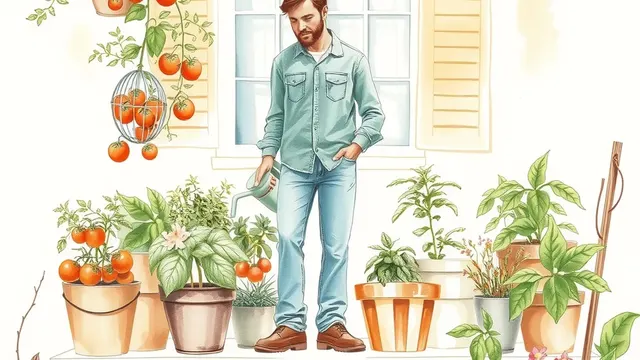
Balcony watering takes some courtesy. Use saucers or trays under every pot and empty them after watering. Water slowly so the mix absorbs it rather than running straight through. If you don't have an outdoor faucet, a large watering can kept by the door makes the job quicker. Self-watering planters can help on hot weeks.
Example: a small east-facing balcony
Example (fictional): Priya rents a third-floor apartment with an east-facing balcony that gets about four hours of morning sun. Their lease allowed planters on the floor but not on the railing. They chose a long, light window box of lettuce and arugula, three herb pots (parsley, chives and mint) and a hanging basket of strawberries on a floor-standing hook. They tried a tomato the first summer; it grew leaves but few flowers, so the next year they swapped it for Swiss chard.
Shop carefully
Balcony gardens attract a lot of marketing for kits and towers that promise big harvests in tiny spaces. Some products are useful, but results always depend on your light, weather and care. Our guide to home and garden red flags explains how to spot hype and fake reviews before you buy.
A balcony setup checklist
Run through this list before your first planting day:
- Lease or building rules checked, with any limits written down
- Sun hours noted for morning, midday and afternoon
- Lightweight pots with drainage holes and saucers for each one
- Potting mix, not garden soil
- Heavy pots placed against the building wall
- A windbreak or grouping plan for exposed corners
- A watering can or hose that reaches every pot
- A spot inside to bring tender plants during storms or cold snaps
Through the seasons
Timing depends on your zone and frost dates, so treat this as a loose pattern. In spring, start with cool-season greens and herbs once nights stop freezing. In summer, move warm-season crops into the sunniest spots and water more often. In fall, replant lettuce and arugula as summer crops fade. In winter, bring herbs indoors or tuck hardy pots against the wall. Your local Cooperative Extension office can give dates that fit your area.
Where to go next
- Running out of floor room? Vertical gardening covers trellises and wall pockets that fit balconies, if your building allows them.
- When winter comes, keep growing with indoor herbs on a bright windowsill just inside the door.
- For pot sizes, drainage and potting mix, start with container gardening for beginners.
Something to do this weekend
Check your lease or message your landlord about balcony planters. Then note when direct sun reaches your balcony and when it leaves, and match your direction to the table above to pick your first two plants.
Want a step-by-step plan or guide?
Some people like the structure of a paid guide or set of plans. This button opens a third-party program from one of our advertising partners. Its claims are its own, not ours, so weigh them against our checklist for judging paid plans.
See the partner program →We may be paid when you click. The program shown can change. Read its terms before you buy anything. How this works
Frequently asked questions
How much weight can my balcony hold?
Only your building can answer that. Ask your landlord, property manager or building management, and don't guess. Keep heavy pots near the wall rather than the outer edge, and remember that soil gets much heavier when it's wet.
What can I grow on a balcony that doesn't get much sun?
Leafy greens, many herbs such as parsley, mint and chives, and shade-tolerant flowers can manage with a few hours of direct light. Fruiting crops like tomatoes and peppers usually need a sunnier spot.
How do I keep balcony plants from blowing over?
Choose wide, heavy-bottomed pots, group containers together so they shelter each other, and keep tall plants low or staked. Bring light pots inside or lay them down before a storm.