Pet Safe Houseplants

The safest way to choose pet safe houseplants is to look up every plant on the ASPCA's lists of toxic and non-toxic plants before you bring it home. The ASPCA, a national animal welfare organization, keeps these lists for dogs, cats and horses. Plants such as spider plants, Boston ferns, parlor palms, calatheas and many peperomias commonly appear on its non-toxic lists, but confirm each one yourself, because common names can be confusing.
Pet safety is a topic that runs through our whole Houseplants section, and this is where we cover it in depth.
How the ASPCA lists work
The ASPCA publishes searchable lists of plants that are toxic and non-toxic to dogs, cats and horses. Each entry usually includes:
- The plant's common names
- Its scientific (Latin) name
- Whether it's toxic to dogs, cats and horses
- The parts or compounds that cause trouble, and the kinds of signs a pet might show
Tips for using the lists
- Search by scientific name. Many different plants share common names. "Lily," "palm," "ivy" and "fern" each cover plants that are safe and plants that aren't. The scientific name is usually printed on the nursery tag.
- Check each species your pet can reach. A plant safe for dogs isn't automatically safe for cats, so read the entry for your animal.
- Look up plants you already own, not just new ones.
- Check cut flowers too. Bouquets often include plants on the toxic lists, and some lilies are especially dangerous to cats.
- If you can't identify a plant, treat it as unsafe and keep it out of reach until you can.
The ASPCA Animal Poison Control Center
The ASPCA Animal Poison Control Center can be reached at (888) 426-4435, and a consultation fee may apply. Save the number in your phone and post it on the fridge alongside your veterinarian's number and the nearest emergency vet clinic.
What to do if your pet chews a plant
- Stay calm and act quickly. Move your pet away from the plant.
- Remove any pieces from their mouth if you can do so safely.
- Identify the plant. Grab the nursery tag or take a photo of the plant.
- Estimate how much they ate and when.
- Call your veterinarian or the ASPCA Animal Poison Control Center at (888) 426-4435.
- Don't try home remedies or make your pet vomit unless a veterinary professional tells you to.
- Bring the plant or a sample to the vet if you're told to go in.
If a person, including a child, may have swallowed part of a toxic plant, call Poison Help at 1-800-222-1222. Call 911 if someone is having trouble breathing, collapses or has a seizure.
Plants to research carefully
Some very popular, easy houseplants appear on the ASPCA's toxic lists. That doesn't mean you can't own them, only that you should look each one up and place it thoughtfully. Plants worth checking before buying include:
- Pothos and philodendrons
- Snake plants
- ZZ plants
- Peace lilies
- Dieffenbachia
- Jade plants and some other succulents
- Aloe
- Sago palms
- True lilies and daylilies, especially if you have cats
Plants to look up as possible pet-safe picks
These plants commonly appear on the ASPCA's non-toxic lists. Confirm the exact species on the ASPCA site before buying.
| Plant | Light | Notes |
|---|---|---|
| Spider plant | Medium to bright indirect | Cats often love to chew the leaves |
| Boston fern | Bright indirect, humid | Likes steady moisture |
| Parlor palm | Low to medium | Slow-growing and tidy |
| Calathea (prayer plant group) | Medium indirect | Prefers higher humidity |
| Peperomia | Medium to bright indirect | Many types; check each one |
| African violet | Bright indirect | Flowers with good light |
| Haworthia | Bright light | A small succulent option |
| Areca palm | Bright indirect | Grows fairly large over time |
Many of the plants above prefer more humidity than a dry, heated home offers. Our guide to humidity for plants explains how to raise moisture around ferns and calatheas without soggy soil.
Placement: keeping curious pets away
Even with safe plants, placement prevents damage to both plant and pet.
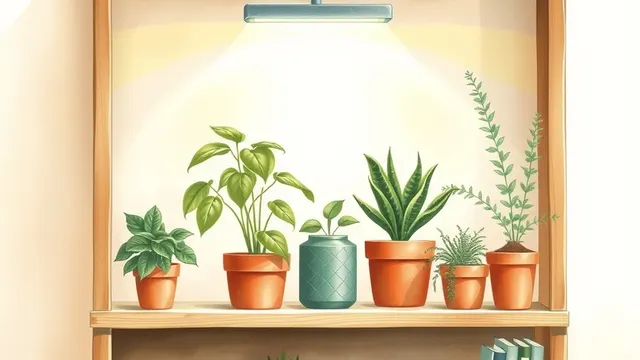
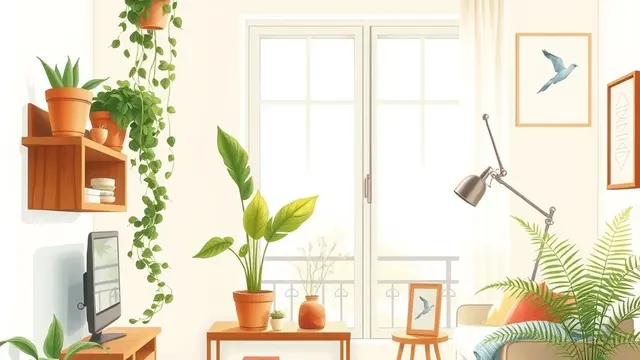
- Go high. Wall shelves, hanging planters and tall plant stands keep plants out of reach of most dogs. Cats can jump, so choose spots without a nearby launch point.
- Use a plant room. A spare room or closed sunroom can hold plants that need to stay away from pets.
- Add a light. Moving plants to high shelves or interior rooms often means less natural light, and our grow lights guide shows how to keep them growing in those spots.
- Offer alternatives. Some cats chew plants out of boredom. A pot of cat grass or extra playtime can redirect them.
- Clean up dropped leaves. Fallen leaves on the floor are easy pickings for a curious pet.
Example: Casey has a young cat and three houseplants: a pothos, a spider plant and a snake plant. After checking the ASPCA lists, they move the pothos and snake plant into hanging planters well away from any furniture the cat can climb. The spider plant stays on a low table, and Casey adds a pot of cat grass next to it to give the cat something it's allowed to chew.
Fertilizers, pest sprays and cleaners
Pets can be hurt by what we put on plants and the surfaces around them, not just the plants themselves.
- Store fertilizer, potting mix additives and pest products up high in closed cabinets.
- Move treated plants out of a pet's reach until the label's waiting time has passed. Our houseplant pests guide covers gentle treatments and label rules.
- Wipe up spilled fertilizer or water that drained from a fertilized pot.
- Choose cleaners carefully for windowsills and plant shelves. Our guide to natural cleaning explains simple cleaning products and why you should never mix them.
Something to do today
Write down the name of every plant in your home, including cut flowers. Look each one up on the ASPCA's lists by scientific name. Move anything listed as toxic to your pets out of reach today, and save the Animal Poison Control number, (888) 426-4435, in your phone.
Want a step-by-step plan or guide?
Some people like the structure of a paid guide or set of plans. This button opens a third-party program from one of our advertising partners. Its claims are its own, not ours, so weigh them against our checklist for judging paid plans.
See the partner program →We may be paid when you click. The program shown can change. Read its terms before you buy anything. How this works
Frequently asked questions
Are any houseplants completely safe for pets?
Plants on the ASPCA's non-toxic list aren't expected to poison pets, but eating any plant can still upset a sensitive stomach. Discourage chewing even with safe plants.
What should I do if my cat ate part of a houseplant?
Remove any plant material from their mouth, note the plant's name and how much was eaten, and call your veterinarian or the ASPCA Animal Poison Control Center at (888) 426-4435. A consultation fee may apply.
Is a plant labeled pet friendly at the store always safe?
Not necessarily. Store tags can be wrong or vague. Look up the plant by its scientific name on the ASPCA's lists to be sure.