Natural Cleaning Products: What Works and What to Avoid
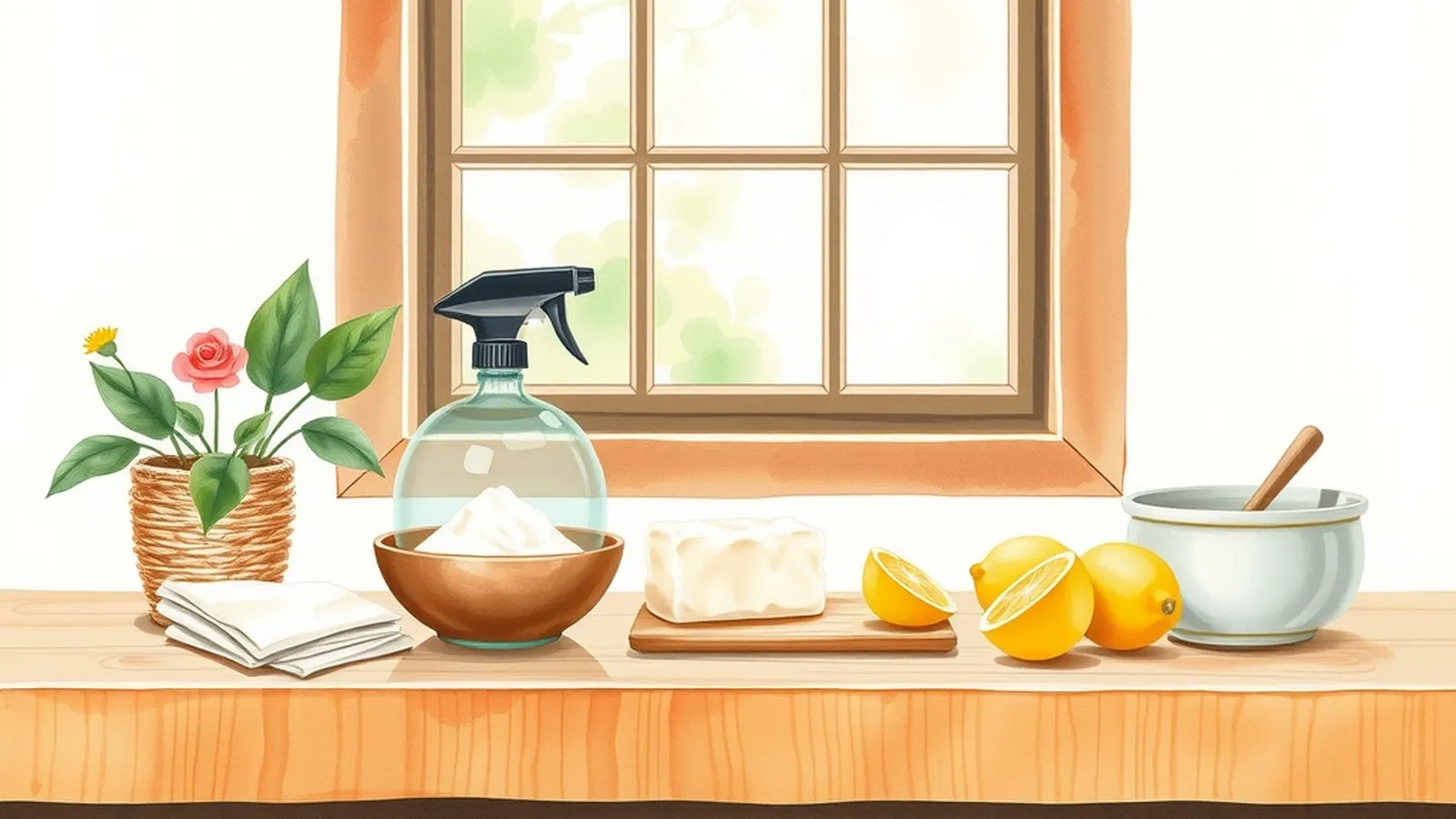
Plain white vinegar, baking soda and mild dish soap can handle a lot of routine cleaning: vinegar cuts hard-water spots and soap scum, baking soda scrubs gently, and soap lifts grease and everyday dirt. They aren't right for every surface or every job, and they don't replace a disinfectant when you need one. The most important rule is about mixing, and it applies to every cleaner in your home.
This guide is the safety foundation for our Clean & Organized Home section. Read the mixing rules below before you try any cleaning method, natural or not.
Never mix cleaning products
Mixing bleach with ammonia, or bleach with acids such as vinegar, creates toxic gases. That's true whether you combine them in a bucket, pour one into a toilet that still has the other in it, or spray them on the same surface back to back.
Here's what that means in practice:
- Use one product at a time. Finish the job, rinse the surface with water and let it dry before switching to something else.
- Know what's in your products. Many glass cleaners contain ammonia. Many toilet bowl and rust removers contain acids. Bleach shows up in some mildew sprays and toilet tablets.
- Watch for in-tank toilet tablets. If one is in the tank, don't add a different bowl cleaner without checking both labels.
- Ventilate. Open a window or run the exhaust fan, even with mild products.
- Follow the label. It tells you how to use the product, how long to leave it and what not to combine it with.
- Keep products in their original containers so you always know what's inside.
If someone breathes in fumes from mixed cleaners and feels unwell, get them to fresh air. Call Poison Help at 1-800-222-1222 for guidance, and call 911 if they have trouble breathing or collapse.
What vinegar is good for
White vinegar is acidic, so it's best at dissolving mineral deposits and soap film.
- Hard-water spots on faucets and glass shower doors.
- Soap scum on tile (not natural stone).
- Descaling a kettle or coffee maker, if the manufacturer's instructions allow it.
- Wiping down the inside of the fridge.
- Clearing streaks on windows and mirrors when mixed with water.
A common household dilution is equal parts white vinegar and water in a labeled spray bottle. Label it so nobody mistakes it for something else.
What baking soda is good for
Baking soda is a mild abrasive and helps with odors.
- Scrubbing stuck-on food in sinks, pots and baking dishes.
- Freshening a fridge, trash can or shoe area with an open box or a sprinkle.
- Making a paste with a little water for oven doors and stovetops.
- Scrubbing grout lines with an old toothbrush.
Rinse it well, because it can leave a dull white film when it dries.
What plain soap is good for
A few drops of mild dish soap in warm water is one of the most useful cleaners you can make. It works on sealed wood, painted walls, cabinets, countertops, floors and most surfaces that tolerate water. Use a damp, not soaking, cloth on wood and always wring out mops well.
Where not to use them
| Product | Avoid on | Why |
|---|---|---|
| Vinegar | Marble, granite, limestone and other natural stone | Acid can etch and dull the surface |
| Vinegar | Waxed or oiled wood | Can strip the finish |
| Vinegar | Cast iron and some metals | Can damage the seasoning or cause corrosion |
| Vinegar | Some electronics screens | Many manufacturers advise against it |
| Baking soda | Glossy finishes, glass stovetops if not labeled safe, aluminum | Can scratch or discolor |
| Lots of water | Unsealed wood, laminate seams | Water can swell and warp |
When in doubt, test in a hidden spot first and check the manufacturer's care instructions for your counters, floors and appliances.
Natural doesn't always mean safe for pets
Even mild cleaners can upset pets who lick wet surfaces or walk through them. Let floors dry before letting animals back in, and store every product, homemade or store-bought, up high or in a latched cabinet. Some essential oils used in DIY cleaners can be harmful to cats and dogs, so check with your veterinarian before using them around animals. If you also keep plants, our guide to pet-safe houseplants explains which common plants are risky for animals and what to do if a pet chews one.
When you need more than natural cleaners
Vinegar, baking soda and soap clean, but they don't reliably disinfect. For raw meat juices on a cutting board, a bathroom after someone's been sick or other situations where germs matter, use a registered disinfectant and follow its label directions. Mold is a separate problem with its own steps, covered in our mold and mildew guide.
Be skeptical of any product, natural or not, that claims to clean everything with no effort. Our checklist of red flags in home and garden products can help you spot overblown claims.
A simple natural cleaning kit
- A spray bottle of diluted white vinegar, labeled.
- A box of baking soda.
- Mild dish soap.
- Several microfiber cloths and a scrub brush.
- An old toothbrush for grout and corners.
Put it to work around the house
Natural cleaners shine in the kitchen. Use soap and water on cabinet fronts and baking soda paste on the stovetop while you set up zones with our kitchen organization guide. When you empty pantry shelves to reorganize, wipe them with warm soapy water and let them dry fully before restocking, as explained in our pantry organization guide. And if you're clearing out a room first, our decluttering guide covers getting surfaces bare so you can actually clean them.
Quick reference: which product for which job
| Job | Try first |
|---|---|
| Hard-water spots on a faucet | Diluted white vinegar on a cloth |
| Greasy cabinet doors | Warm water with dish soap |
| Stuck-on food in a pan | Baking soda and a sponge |
| Streaky mirror | Diluted vinegar and a microfiber cloth |
| Smelly trash can | Wash with soapy water, dry, then a sprinkle of baking soda |
Something to do today
Gather every cleaning product in your home in one spot. Read the labels and note which contain bleach, ammonia or acids. Put those on separate shelves, toss any containers you can't identify according to your local waste rules, and make one labeled bottle of diluted vinegar for glass and faucets.
Want a step-by-step plan or guide?
Some people like the structure of a paid guide or set of plans. This button opens a third-party program from one of our advertising partners. Its claims are its own, not ours, so weigh them against our checklist for judging paid plans.
See the partner program →We may be paid when you click. The program shown can change. Read its terms before you buy anything. How this works
Frequently asked questions
Does vinegar disinfect?
Vinegar is good at cutting mineral deposits and some grime, but it isn't a registered disinfectant. When you need to disinfect, use a product labeled for that purpose and follow its directions, including how long the surface has to stay wet.
Can I mix vinegar and baking soda?
Combining them makes a fizzy reaction that mostly cancels both out, leaving salty water. It's not dangerous, but you'll usually get better results using each one on its own for the job it suits.
Is it safe to mix natural cleaners with bleach?
No. Bleach mixed with acids such as vinegar, or with ammonia, creates toxic gases. Use one product at a time, rinse between them, keep the room ventilated and follow every label.