DIY & Repairs
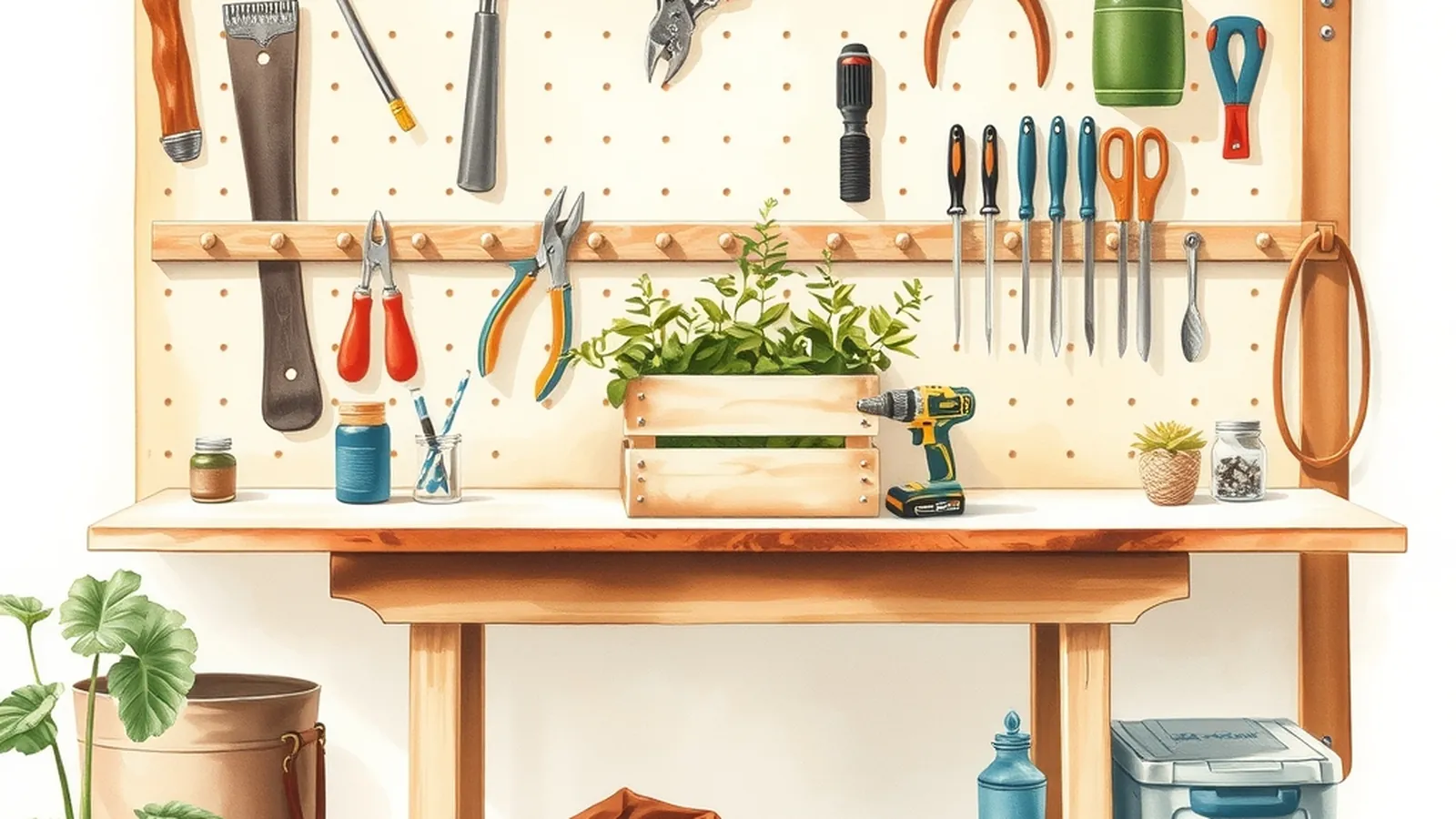
Most small home repairs come down to three things: the right basic tools, a careful shut-off of water or power before you start, and the patience to read the instructions on the product in your hand. This section walks you through the fixes renters and first-time homeowners run into most, from a wobbly shelf to a dripping faucet, plus beginner woodworking for when you want to build something of your own.
We also try to be honest about limits. Some jobs are perfect for a Saturday afternoon. Others, like wiring, gas, roofing and anything that holds up your house, belong with a licensed professional. Knowing the difference is part of being handy.
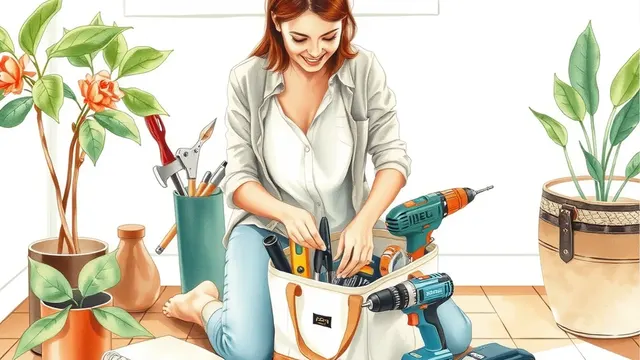 Basic Tool KitThe short list of tools that handles most household repairs, and what you can skip for now.
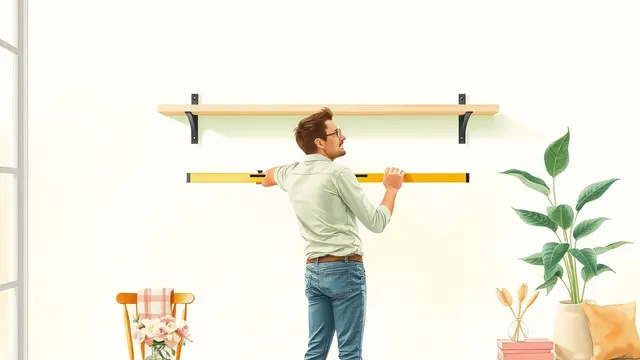 Hanging ShelvesFind studs, pick the right anchors and hang a level shelf that holds what you put on it.
 Patching DrywallFix nail holes, dents and bigger holes in drywall, then sand and prime so the patch disappears.
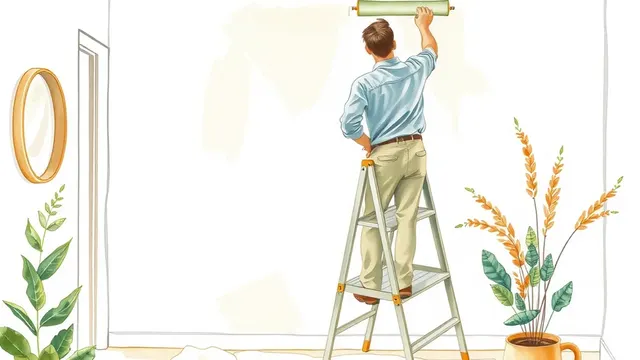 Painting a RoomPrep, lead safety in older homes, cutting in and rolling, so your new color looks smooth and even.
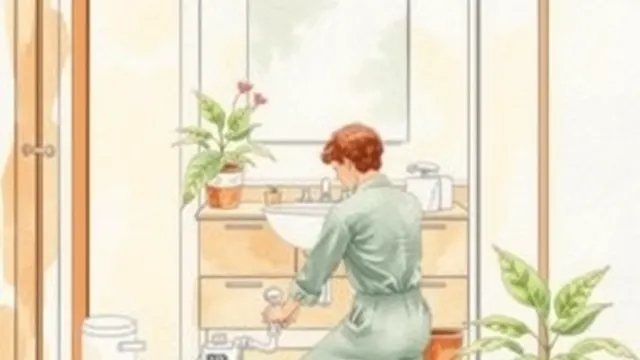 Fixing a Leaky FaucetShut off the water, figure out your faucet type and replace the worn part that's causing the drip.
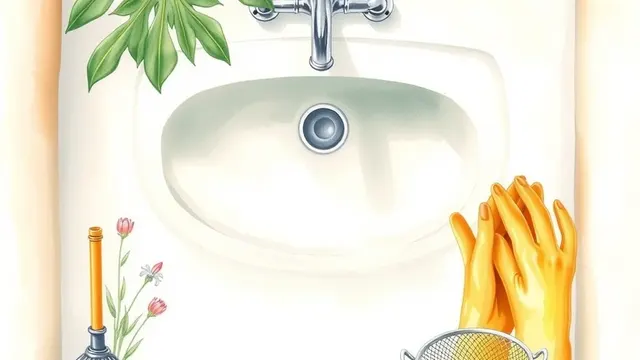 Unclogging a DrainClear slow sinks, tubs and toilets with a plunger or drain snake, and keep them flowing afterward.
 Caulking and WeatherstrippingFind drafts, choose the right caulk and seal doors and windows so rooms feel more comfortable.
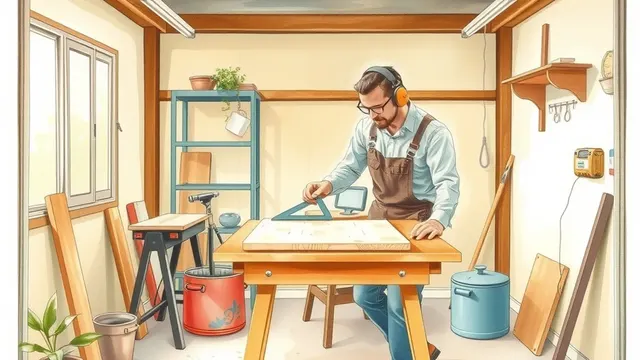 Woodworking BasicsSafety gear, a few starter tools and how to read a plan, so your first project goes smoothly.
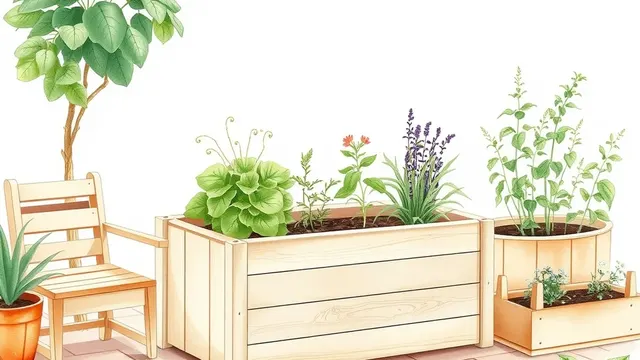 Easy Woodworking ProjectsFour beginner builds, from a planter box to a bench, with general steps and safety notes.
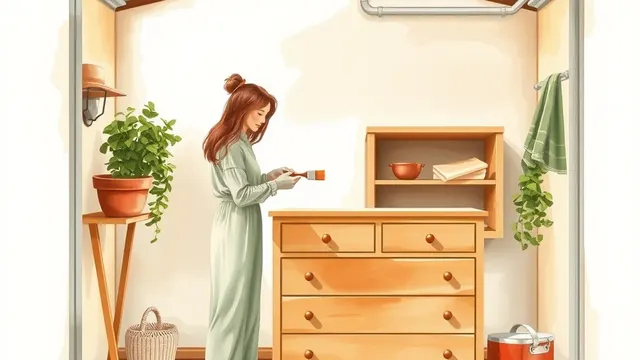 Refinishing FurnitureClean, sand and stain or paint a tired piece of wood furniture, with ventilation and safety in mind.
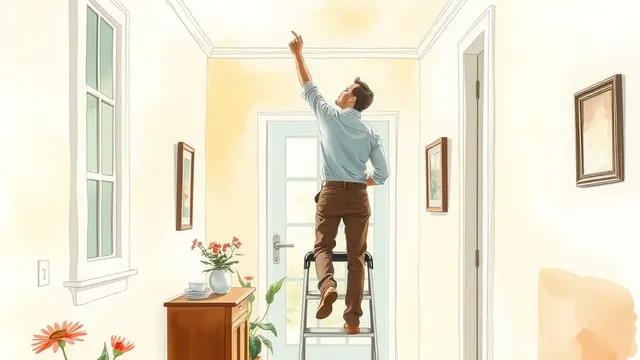 Home Maintenance ChecklistMonthly, seasonal and yearly tasks that keep small home problems from turning into big ones.
 When to Call a ProWhich repairs are safe to do yourself, which need a licensed pro, and how to hire one with confidence.
Where to start if you're brand new
You don't have to learn everything at once. A sensible path for most beginners looks like this:
- Gather a small kit. Our basic tool kit guide covers the handful of tools that handle most household jobs, and what you can skip for now.
- Do a confidence-building fix. Patching drywall and hanging shelves teach measuring, finding studs and working neatly, with little at stake.
- Take on a bigger weekend project. Painting a room rewards good prep, and it's where we explain lead paint safety in older homes.
- Learn the water basics. Fixing a leaky faucet and clearing a drain start with finding your shut-off valves, a skill every household needs.
- Seal up the house. Caulking and weatherstripping can make rooms feel less drafty and keep water out of the places it shouldn't go.
- Build something. Woodworking for beginners covers safety gear and first tools, and the easy projects guide walks through a planter box, a shelf and a bench.
- Stay ahead of problems. The home maintenance checklist spreads small tasks across the year so they don't pile up.
Which guide fits your situation?
| If you're thinking... | Start with |
|---|---|
| "I just moved in and own a single screwdriver" | Basic tool kit |
| "There's a hole in the wall from old shelves" | Patch drywall, then paint a room |
| "The kitchen sink drips all night" | Fix a leaky faucet |
| "The bathtub drains slowly" | Unclog a drain |
| "The living room feels cold near the windows" | Caulking and weatherstripping |
| "I found an old dresser on the curb" | Refinish furniture |
| "I'm not sure whether I should try this myself" | When to call a pro |
Safety habits that apply to every project
A few habits show up again and again in these guides, because they prevent most beginner injuries and messes:
- Shut it off first. Close the water valve or switch off the breaker for the circuit you're working near, then confirm it's off.
- Protect your eyes, hands and ears. Safety glasses for drilling, sanding and anything overhead; gloves for rough materials and products; hearing protection for loud power tools.
- Read the label and the manual. Paints, caulks, finishes and cleaners each come with instructions for ventilation, drying time and disposal. Follow them.
- Respect ladders. Set them on firm, level ground, keep a helper nearby to steady them, and don't overreach.
- Know when to stop. If you find damaged wiring, rotted framing, a gas smell or a leak you can't shut off, put the tools down. Our guide to calling a pro explains how to find a licensed contractor and compare quotes.
Repairs that connect to the rest of your home
Fixing things often overlaps with cleaning and the garden. A small leak you fix today helps prevent the damp conditions covered in our guide to mold and mildew. A few cedar boards and a drill can become one of the raised garden beds in our Small Spaces section. And a regular cleaning schedule is a good moment to spot loose handles, dripping taps and worn caulk before they get worse.
Before you buy plans or a course
Woodworking plans and online DIY courses can be helpful, and some are not worth the money. Before you spend anything, read our Choosing Plans & Courses section, which explains what a good set of plans includes, the warning signs of an overhyped product and where to find free help, such as library workshops and your local Cooperative Extension office.
Something to do this weekend
Walk through your home with a notepad and find three things: your main water shut-off valve, your electrical panel and the fixture shut-off valves under your kitchen sink. Write down where each one is and tape the note inside a cabinet door. When something does go wrong, you'll know exactly where to turn first.
Want a step-by-step plan or guide?
Some people like the structure of a paid guide or set of plans. This button opens a third-party program from one of our advertising partners. Its claims are its own, not ours, so weigh them against our checklist for judging paid plans.
See the partner program →We may be paid when you click. The program shown can change. Read its terms before you buy anything. How this works
Frequently asked questions
What home repairs can a beginner safely do?
Patching small drywall holes, hanging light shelves, painting, caulking, weatherstripping, clearing simple clogs and replacing faucet parts are all reasonable first projects. Shut off water or power first, wear safety glasses, and stop if the job turns out bigger than it looked.
Which repairs should I always leave to a professional?
Electrical wiring, gas lines and appliances, structural changes, roofing and major plumbing belong with a licensed professional. Check your local permit rules too, since many of these jobs need a permit even when a pro does them.