Garden Basics
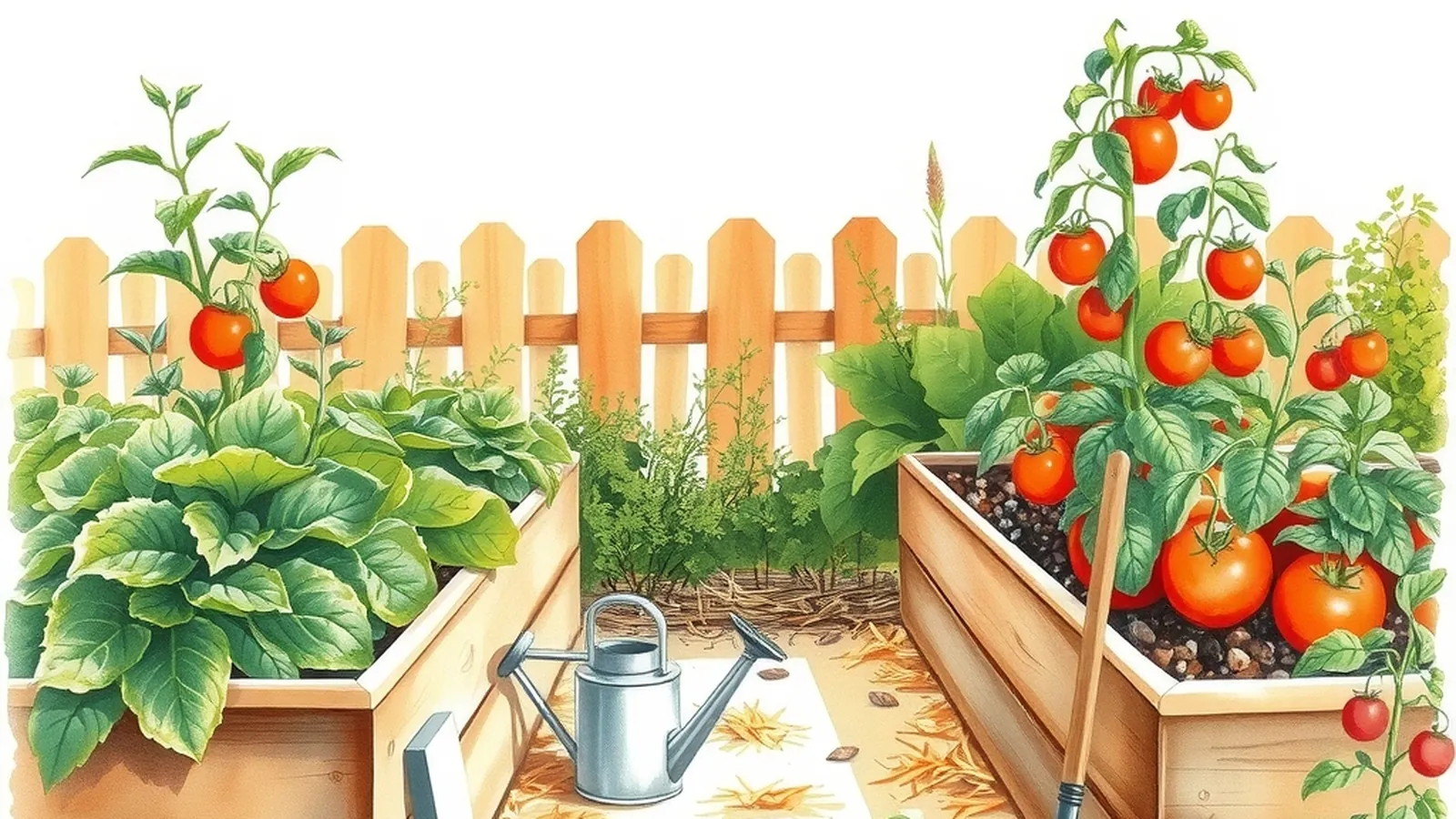
Every healthy garden rests on the same few things: enough sun, soil that drains and holds nutrients, steady water and a plan that fits your space and your week. Get those right and most vegetables, herbs and flowers have a fair shot. Get them wrong and even the best plants struggle, no matter how much you fuss over them.
The guides in this section cover those foundations one at a time. They're written for beginners, renters and first-time homeowners who want to grow something real without spending a fortune or a whole summer figuring it out. You'll find checklists, sample plans and small tasks you can do this weekend.
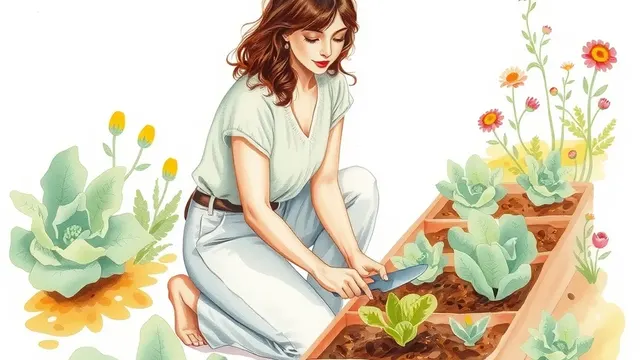 Starting a GardenPick a spot, start small, prep the soil and choose easy first plants with a simple first-season plan.
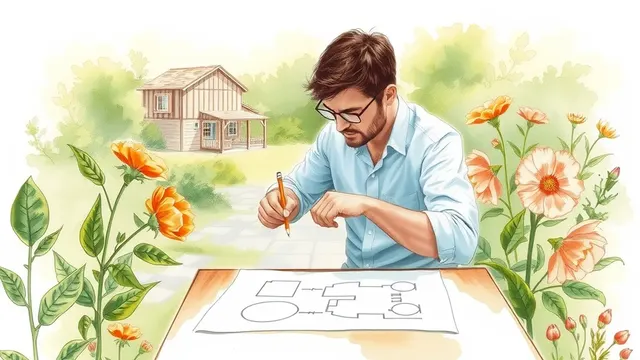 Planning a GardenSketch beds, paths and spacing on paper first, with a sample layout for a small backyard garden.
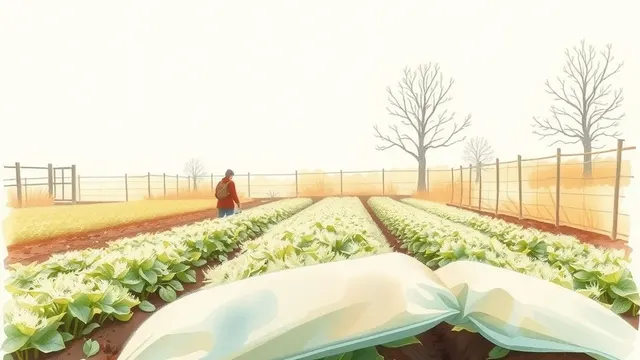 Planting ZonesHow the USDA hardiness map works, what your zone tells you and why frost dates matter just as much.
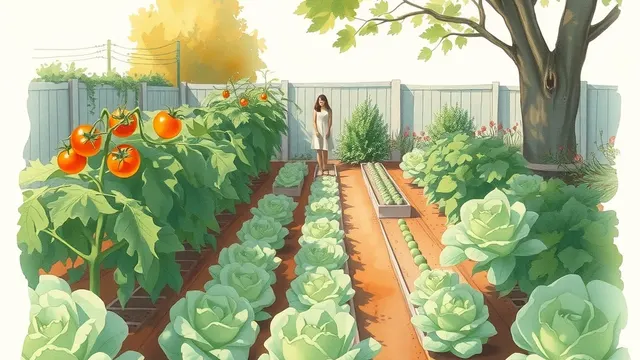 Garden SunWhat full sun and partial shade really mean, how to map your light and which plants fit each spot.
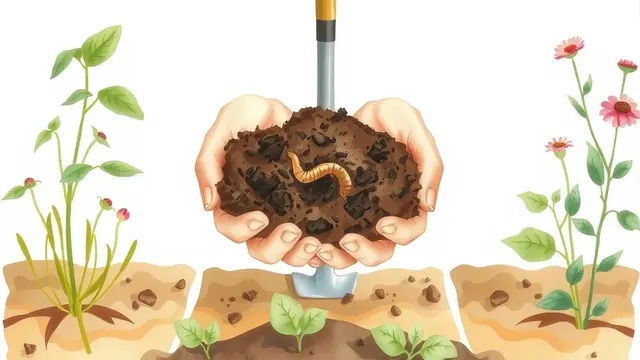 Soil BasicsLearn your soil's texture, fix drainage and add organic matter, with a simple jar test you can do at home.
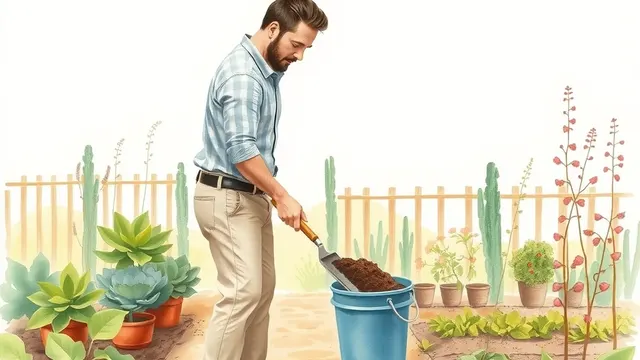 Soil TestingWhy a soil test beats guessing, how to collect a sample for Extension and how to read pH and nutrients.
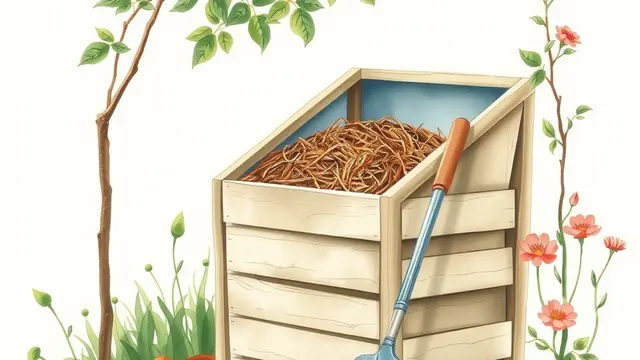 CompostingBalance greens and browns, choose a bin or pile and fix smells and slow piles with simple steps.
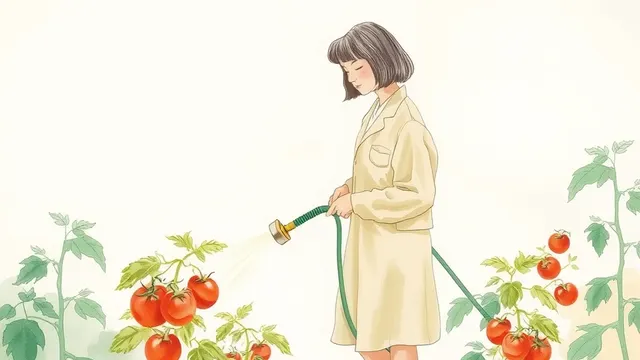 WateringWater deeply and less often, check the soil first and get water to roots, not leaves.
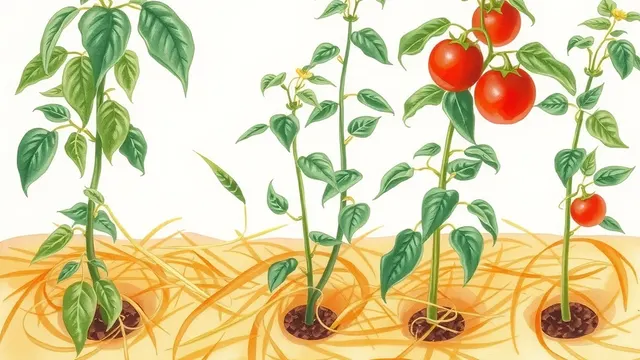 MulchCompare straw, leaves, wood chips and more, and learn how thick to spread mulch and where to stop.
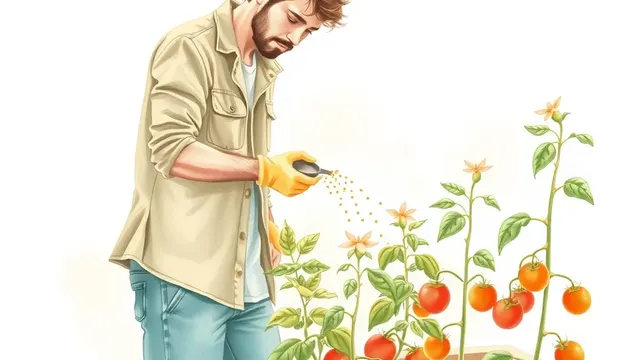 Fertilizer BasicsWhat the three numbers on a fertilizer label mean, organic vs synthetic and how to avoid overdoing it.
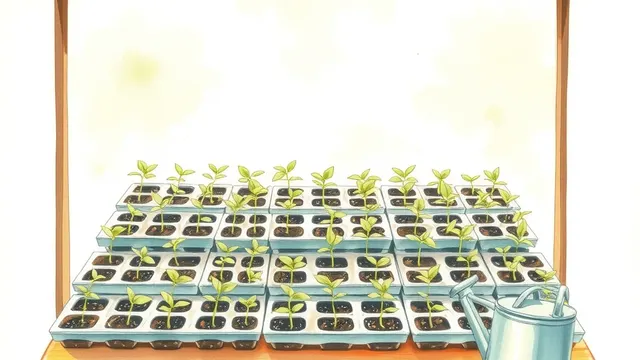 Seed StartingTime your sowing from frost dates, give seedlings strong light and harden them off before planting out.
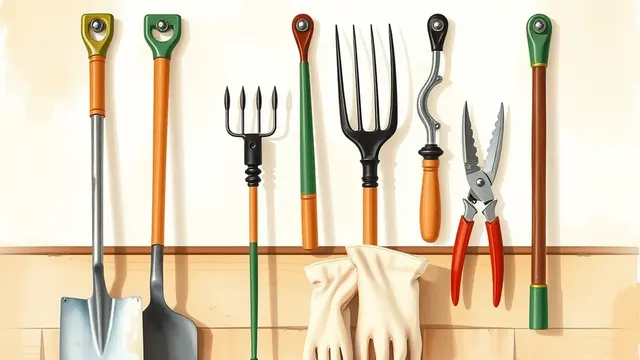 Garden ToolsA short starter list of garden tools, how to care for them and what you can skip for now.
A sensible order to read these guides
You don't need to read everything before you plant. Here's a path that works for most first-season gardeners:
- Get the overview. Read how to start a garden for the big steps in order, from picking a spot to your first plants.
- Learn your climate. Your planting zone and your local frost dates shape what you can grow and when.
- Read the light. Full sun vs partial shade shows you how to map the sun across your yard or balcony.
- Understand the ground. Start with soil basics, then consider a soil test before you buy amendments.
- Sketch a plan. Garden planning helps you lay out beds, paths and spacing on paper first.
- Set up care routines. Watering, mulch, composting and fertilizer basics keep plants growing through the season.
- Go further. When you're ready, start seeds indoors and pick up the garden tools that actually earn their spot in the shed.
Which guide fits your question?
| If you're wondering... | Start with |
|---|---|
| "Where do I even put a garden?" | Start a garden, then garden sun |
| "Why did my plants die over winter?" | Planting zones |
| "My soil is hard clay or pure sand" | Soil basics |
| "Should I add lime or fertilizer?" | Soil testing, then fertilizer basics |
| "How often should I water?" | Watering |
| "Weeds keep taking over my beds" | Mulch |
| "What can I do with kitchen scraps?" | Composting |
| "When should I start tomato seeds?" | Seed starting |
How the basics connect to the rest of the site
Garden Basics is the foundation. The other sections build on it once you know what you want to grow.
- If you want to eat what you grow, our list of easy vegetables for beginners pairs well with your first garden plan.
- If you have a patio, balcony or tiny yard, raised beds and the rest of our Small Spaces section show how to adapt these basics to tight quarters.
- If you're seeing chewed leaves, spots or wilting, Pests & Problems helps you figure out what's wrong and start with the gentlest fix.
- If your yard has deep shade under trees, see our guide to plants for shade.
Free help before paid help
Many beginners assume they need a course or a kit to get started. You don't. Every state has a Cooperative Extension service with local offices and volunteers who answer gardening questions, often for free or a small fee. Start with our roundup of free gardening and home help to locate the office that serves your county. If you're thinking about paying for a program, our Choosing Plans & Courses section explains how to tell useful courses from ones that overpromise.
A word on expectations
Gardening results depend on your climate, your soil, the weather in a given year and how much time you can give it. We won't promise a certain harvest or a problem-free season, because nobody honestly can. What we can give you is a clear set of steps that make success more likely and mistakes cheaper. Most experienced gardeners still lose a plant or two every year. That's part of learning, not a sign you're doing it wrong.
Something to do this weekend
Walk around your yard, patio or balcony three times on one sunny day: once in the morning, once around midday and once in the late afternoon. Note where the sun falls each time. That single sun map will make almost every guide in this section more useful.
Want a step-by-step plan or guide?
Some people like the structure of a paid guide or set of plans. This button opens a third-party program from one of our advertising partners. Its claims are its own, not ours, so weigh them against our checklist for judging paid plans.
See the partner program →We may be paid when you click. The program shown can change. Read its terms before you buy anything. How this works
Frequently asked questions
What should a beginner learn first about gardening?
Start with sun and soil. Find out how many hours of direct light your spot gets and what your soil is like, because those two things decide what will grow well. Our start-a-garden guide walks through the first steps in order.
Do I need a big yard to use these guides?
No. The basics here apply to a single raised bed or a few pots on a patio. If you're working with very little space, pair these guides with our Small Spaces section.