How to Test Garden Soil
To test garden soil, collect small samples from several spots in your garden, mix them together, let the soil dry and send it to a soil testing lab, usually through your state's Cooperative Extension service. The report tells you your soil's pH and nutrient levels and often includes recommendations for what to add. Many Extension offices offer this service, often for a small fee.
Soil testing is one of the foundations in our Garden Basics section. It turns guesswork about fertilizer and lime into a clear plan.
Why test instead of guess
Without a test, it's easy to add things your soil doesn't need. Too much of a nutrient can be as much of a problem as too little, and extra fertilizer can wash away into streams and lakes. A soil test helps you:
- Learn your soil's pH, which affects how well plants take up nutrients
- See which nutrients are low, adequate or high
- Avoid buying fertilizer or lime you don't need
- Get recommendations for the specific plants you want to grow
- Find out whether a struggling plant has a soil problem or something else
How Cooperative Extension soil tests work
Every state has a Cooperative Extension service connected to its land-grant university, with local offices that give research-based advice. Many of them run or partner with soil testing labs. The general process looks like this:
- Contact your local Extension office or visit its website to find instructions, forms and any fee.
- Pick up or order a sample kit or bag, or use a clean bag if the office allows it.
- Collect your sample using the method below.
- Fill in the form, noting what you plan to grow, such as vegetables, a lawn or flowers.
- Mail or drop off your sample.
- Wait for your report, which may take a few weeks, especially in busy spring months.
Procedures and fees vary by state. Extension Master Gardener volunteers can often help you understand your results. Our guide to free gardening and home help explains more about how to reach your local office and its volunteers.
How to collect a good sample
A test is only as good as the sample. To get a fair picture:
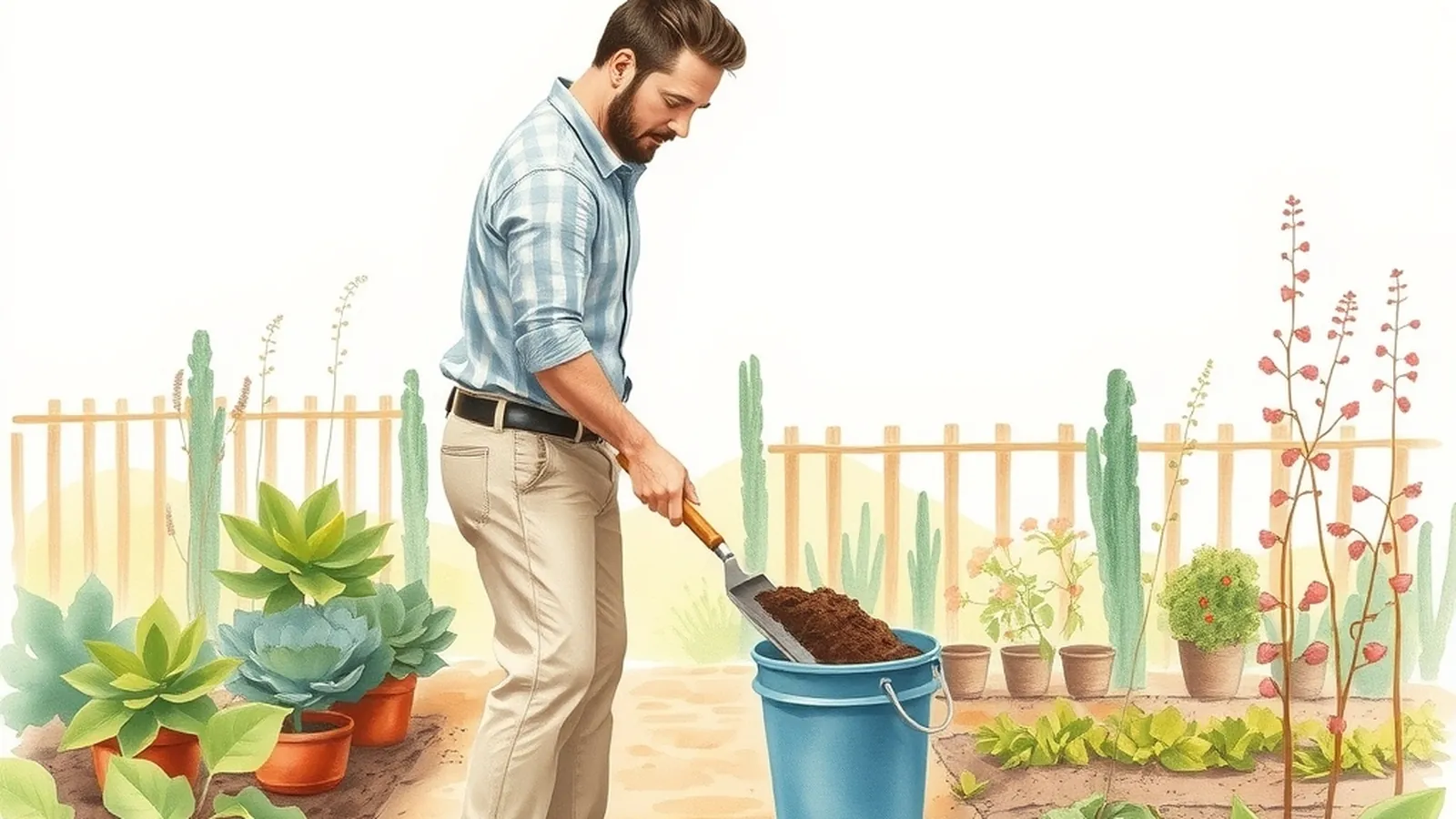
- Use clean tools. A clean trowel or spade and a clean plastic bucket work well. Avoid galvanized or rusty metal buckets, which can affect results.
- Sample several spots. Take small slices of soil from many places across one bed or area, zigzagging as you go.
- Dig to root depth. For vegetable and flower beds, sample the top several inches. Lawns are usually sampled shallower. Follow your lab's instructions.
- Skip the surface debris. Brush away mulch, leaves and roots first.
- Mix it together. Combine all the slices in the bucket and mix well.
- Let it air dry on newspaper or a paper plate if your lab asks for dry soil.
- Fill the bag with the amount your lab requests.
If you have very different areas, such as a vegetable bed and a lawn, send separate samples for each.
Reading your results in general terms
Reports vary by lab, but most include a few common sections.
pH
pH measures how acidic or alkaline your soil is. Lower numbers are more acidic, higher numbers are more alkaline and 7 is neutral. Many vegetables grow well in slightly acidic to neutral soil, while some plants, such as blueberries, need more acidic soil. When pH is far from what a plant prefers, it may struggle to take up nutrients even when they're present. Your report will usually say whether to raise pH, often with lime, or lower it, often with sulfur, and by how much.
Major nutrients
Reports often list phosphorus and potassium, sometimes along with calcium and magnesium, rated as low, medium, optimum or high. Nitrogen changes quickly in soil, so many labs give a general nitrogen recommendation based on what you're growing rather than a measured level. Our fertilizer basics guide explains how those nutrients show up on fertilizer labels.
Organic matter
Some labs report organic matter. If yours is low, adding compost is the usual next step.
Recommendations
The most useful part is often the recommendation section. It may suggest how much lime, sulfur or fertilizer to add for your plants and your bed size. Follow these recommendations and the product label rather than guessing.
What to do with your results
| What the report says | Common next step |
|---|---|
| pH too low for your crops | Add lime as recommended, then retest in a year or two |
| pH too high for your crops | Add sulfur or choose plants that like your pH |
| Low phosphorus or potassium | Use a fertilizer as recommended, following label rates |
| High phosphorus or potassium | Skip fertilizers heavy in those nutrients |
| Low organic matter | Add compost every year |
| Everything in range | Keep adding compost and retest in a few years |
pH changes slowly, so be patient. Lime and sulfur take months to work, which is another reason fall testing is popular.
A worked example
Here's an example for a fictional gardener, Avery, whose tomatoes looked pale last summer. Avery sent a sample from the vegetable bed to the state lab in October. The report showed a fairly low pH and low organic matter, with phosphorus already high. Avery spread lime at the rate the report suggested, added compost to the bed and chose a fertilizer lower in phosphorus for next season. Avery plans to test again in two years.
Building on your results
Compost improves almost every soil the report describes, and you can make your own. Our beginner composting guide shows how. Good soil also holds water better, which affects your routine, so read how often to water a vegetable garden next. If you haven't looked at texture and drainage yet, start with soil basics and the jar test.
Something to do this week
Look up your county's Cooperative Extension office online and find its soil testing instructions. Write down the fee, the form you need and when the lab is least busy. If the ground isn't frozen, collect your sample this weekend.
Want a step-by-step plan or guide?
Some people like the structure of a paid guide or set of plans. This button opens a third-party program from one of our advertising partners. Its claims are its own, not ours, so weigh them against our checklist for judging paid plans.
See the partner program →We may be paid when you click. The program shown can change. Read its terms before you buy anything. How this works
Frequently asked questions
How often should I test my garden soil?
Many gardeners test a new garden before planting, then every few years after that, or whenever plants struggle for no clear reason. Your local Extension office can suggest a schedule for your area.
Are home soil test kits accurate?
Home kits can give a rough idea of pH, but results vary. A lab test through your Cooperative Extension office or a soil lab usually gives more detailed results along with recommendations for your area.
When is the best time to test soil?
Fall and early spring are common choices, as long as the soil isn't frozen or soggy. Testing in fall gives you time to add amendments before the next planting season.