How to Fertilize a Garden
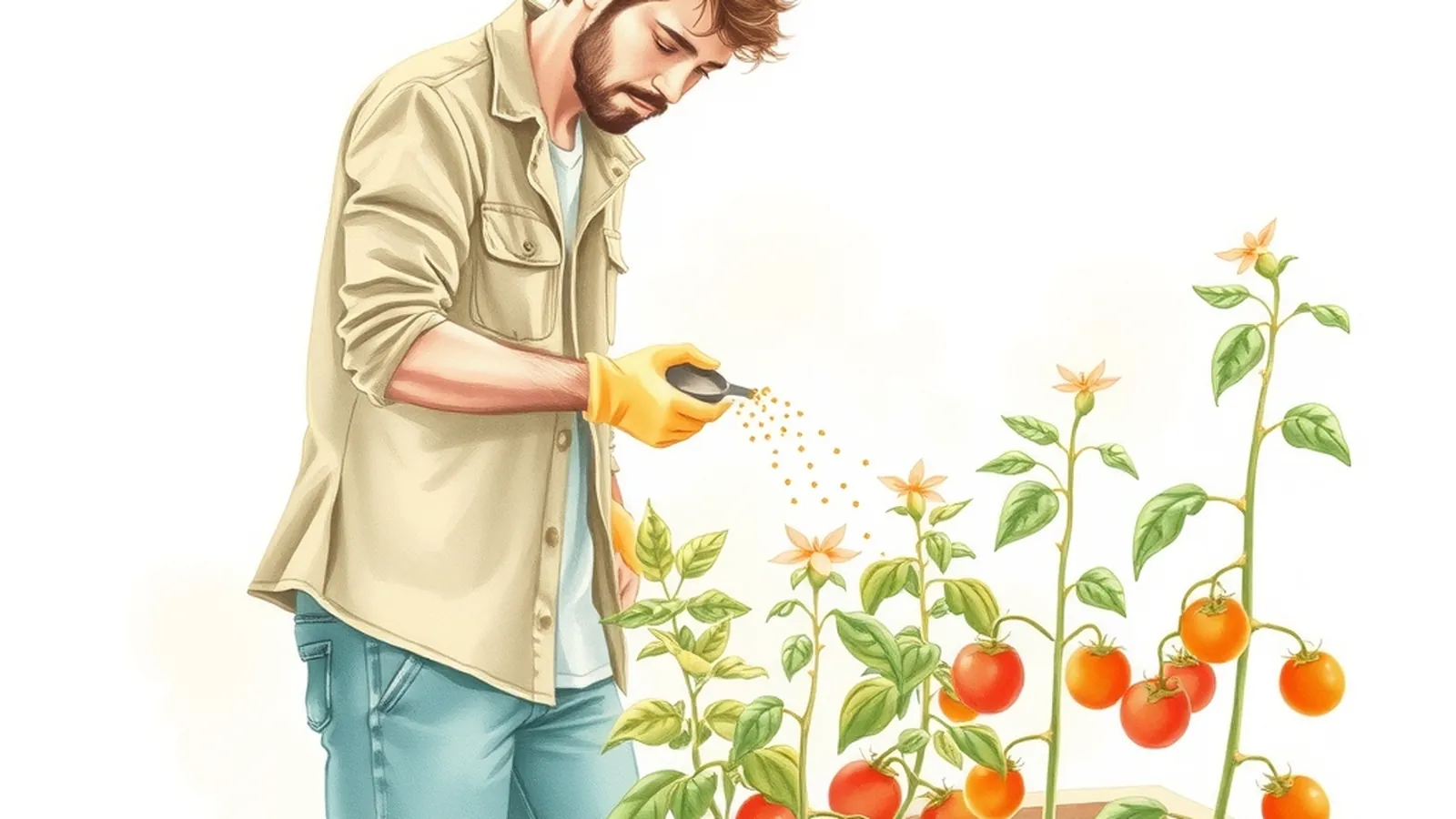
To fertilize a garden, start with a soil test so you know what your soil actually needs, choose a fertilizer whose N-P-K numbers match those needs, and apply it at the rate on the product label, usually at planting and again during the season for hungry crops. More fertilizer is not better. Too much can burn roots, cause leafy growth with little fruit and wash into nearby water.
Feeding plants is one of the routines covered in our Garden Basics section. This guide explains labels, product types and timing.
What the numbers on the label mean
Every fertilizer bag or box lists three numbers, such as 10-10-10 or 5-10-5. These are the N-P-K numbers. They show the percentage by weight of three nutrients, always in the same order:
| Letter | Nutrient | What it mainly supports |
|---|---|---|
| N | Nitrogen | Leafy, green growth |
| P | Phosphate (a form of phosphorus) | Roots, flowers and fruit |
| K | Potash (a form of potassium) | Overall plant health and stress tolerance |
So a 10-10-10 fertilizer is 10 percent nitrogen, 10 percent phosphate and 10 percent potash by weight. The rest of the bag is other ingredients and filler that helps you spread it evenly. A 4-lb box of 5-10-5 holds less of each nutrient than the same box of 10-20-10, so you'd use more of the first to deliver the same amount.
Matching the numbers to your plants
- Balanced fertilizers with similar numbers, like 10-10-10, are general-purpose choices.
- Higher first numbers suit leafy crops and lawns that need lots of green growth.
- Lower first numbers suit fruiting crops like tomatoes and peppers, which can grow huge leaves with few fruit if given too much nitrogen.
- A zero in a position means none of that nutrient, useful if your soil test shows it's already high.
The best guide is your soil test. If phosphorus is already high, choose a fertilizer with a low or zero middle number. Our guide to how to test garden soil explains how to get one through your local Extension office.
Organic vs synthetic
| Type | Examples | Pros | Things to know |
|---|---|---|---|
| Organic | Compost, aged manure, bone meal, blood meal, fish emulsion, plant-based meals | Releases slowly, adds organic matter, feeds soil life | Slower to act, nutrient levels lower and less exact |
| Synthetic | Granular all-purpose fertilizers, water-soluble feeds | Fast, precise, easy to measure | Easier to overapply, doesn't build soil |
| Slow-release | Coated granules | Feeds gradually over weeks or months | Costs more, release depends on temperature and moisture |
Many gardeners use both: compost every year to build soil, plus a measured fertilizer when crops need a boost. Either way, follow the product label for how much to use, how often and how to store it.
How to apply fertilizer
Granular fertilizer:
- Read the label for the rate per square foot or per plant.
- Measure your bed so you know how much to use.
- Wear gloves. Spread granules evenly over the soil or in a band beside plants, keeping them off leaves.
- Work them lightly into the top inch of soil.
- Water well to move nutrients down to roots.
Liquid fertilizer:
- Mix only as directed on the label. Never mix fertilizers or garden products with each other unless the label says it's allowed.
- Water dry soil first so roots aren't stressed.
- Apply to the soil around the plant.
- Rinse your watering can or sprayer and store the product as the label directs.
Store all fertilizers in their original containers, sealed and out of reach of kids and pets. Some, such as blood meal and bone meal, can attract dogs, and some can make pets sick if eaten. If you think a pet has eaten fertilizer, call your vet or the ASPCA Animal Poison Control Center, which our pet-safe houseplants guide explains.
When to fertilize
- At planting: mix compost or a fertilizer into the soil for most vegetable beds.
- During the season: heavy feeders such as tomatoes, corn and squash often benefit from a side-dressing once they start flowering or fruiting.
- Light feeders: many herbs, beans and peas usually need little or no extra feeding in decent soil.
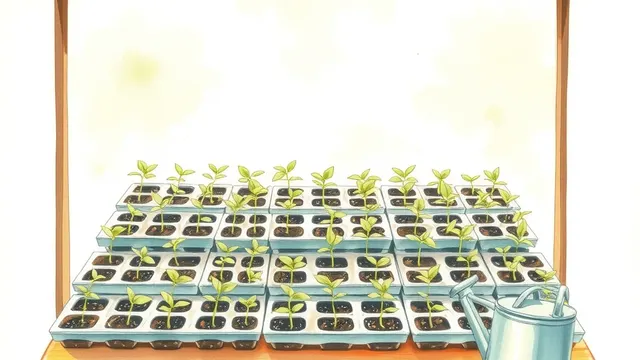
- Seedlings: wait until they have true leaves, then use a diluted feed as the label directs. Our seed starting guide covers this.
- Late in the season: stop feeding perennials and shrubs in late summer so they don't push tender new growth before frost. Timing depends on your area.
Signs of too much or too little
| Sign | Possible cause |
|---|---|
| Lots of lush leaves, few flowers or fruit | Too much nitrogen |
| Brown, crispy leaf edges or white crust on soil | Too much fertilizer or salt buildup |
| Pale, yellowing older leaves | Possibly low nitrogen, but also watering or other issues |
| Slow growth overall | Low nutrients, cold soil, poor light or compacted soil |
Yellowing can have many causes, so don't assume it's always a fertilizer problem. Check watering, light and pests first.
A worked example
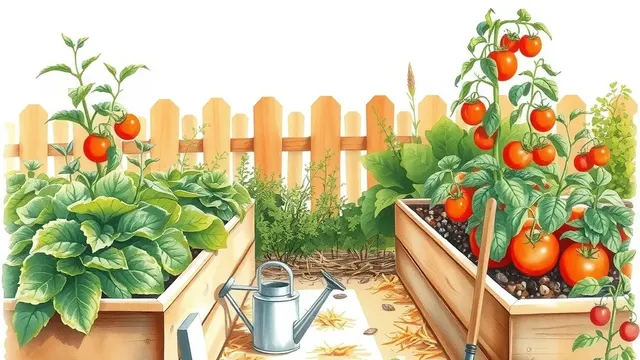
Here's an example for a fictional gardener, Quinn, who grows tomatoes in two beds. Quinn's soil test showed high phosphorus and medium nitrogen. Quinn chose a fertilizer with a low middle number, measured the beds and spread the label rate at planting. When the first flowers appeared, Quinn side-dressed with a small amount per the label and watered it in. Quinn skipped fertilizer for the beans next door, which grew fine on compost alone.
Be wary of big promises
Fertilizer ads sometimes promise giant harvests. No product can promise that, because results depend on light, water, soil and weather. Our guide to red flags in home and garden products explains how to spot claims that don't hold up.
The same rules indoors
Houseplants follow similar label rules, just at much smaller doses. If you're growing indoors, our guide to easy houseplants for beginners is a good place to start.
Tools and mulch help too
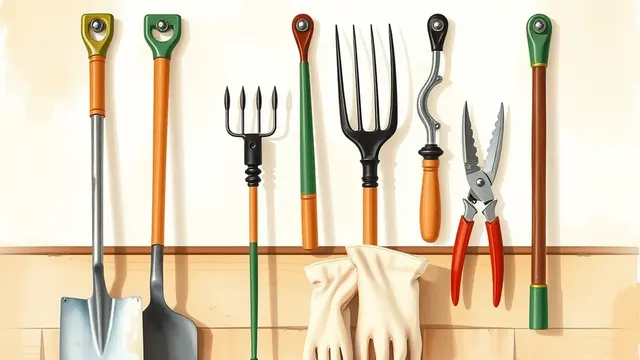
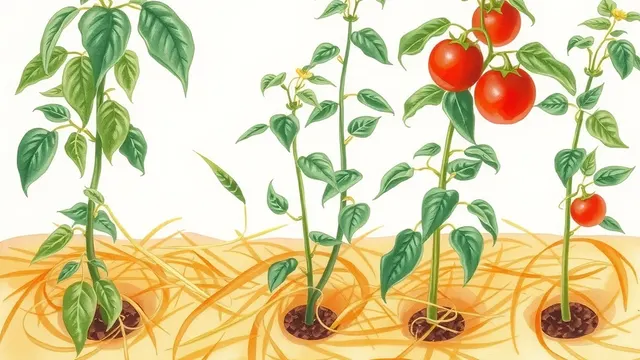
A small hand cultivator makes it easy to scratch granules into the soil, and a measuring scoop keeps you honest. Our garden tools guide covers the basics. And because organic mulch slowly feeds the soil, the right mulch can reduce how much extra fertilizer you need.
Something to do today
Find any fertilizer you already own and read the label. Write down its three numbers, the application rate and the storage directions. Then measure one garden bed so you know how much to use next time.
Want a step-by-step plan or guide?
Some people like the structure of a paid guide or set of plans. This button opens a third-party program from one of our advertising partners. Its claims are its own, not ours, so weigh them against our checklist for judging paid plans.
See the partner program →We may be paid when you click. The program shown can change. Read its terms before you buy anything. How this works
Frequently asked questions
What do the three numbers on fertilizer mean?
They show the percentage by weight of nitrogen, phosphate and potash, in that order. A bag marked 10-10-10 contains 10 percent of each by weight.
Can you over-fertilize a garden?
Yes. Too much fertilizer can burn roots, push lots of leaves with fewer flowers or fruit, and wash into waterways. Follow the product label and a soil test rather than adding extra.
Is organic fertilizer better than synthetic?
Each has trade-offs. Organic fertilizers usually release nutrients slowly and add organic matter, while synthetic fertilizers act faster and are more precise. Both can work well when used at label rates.