Lawn & Yard Care for Beginners
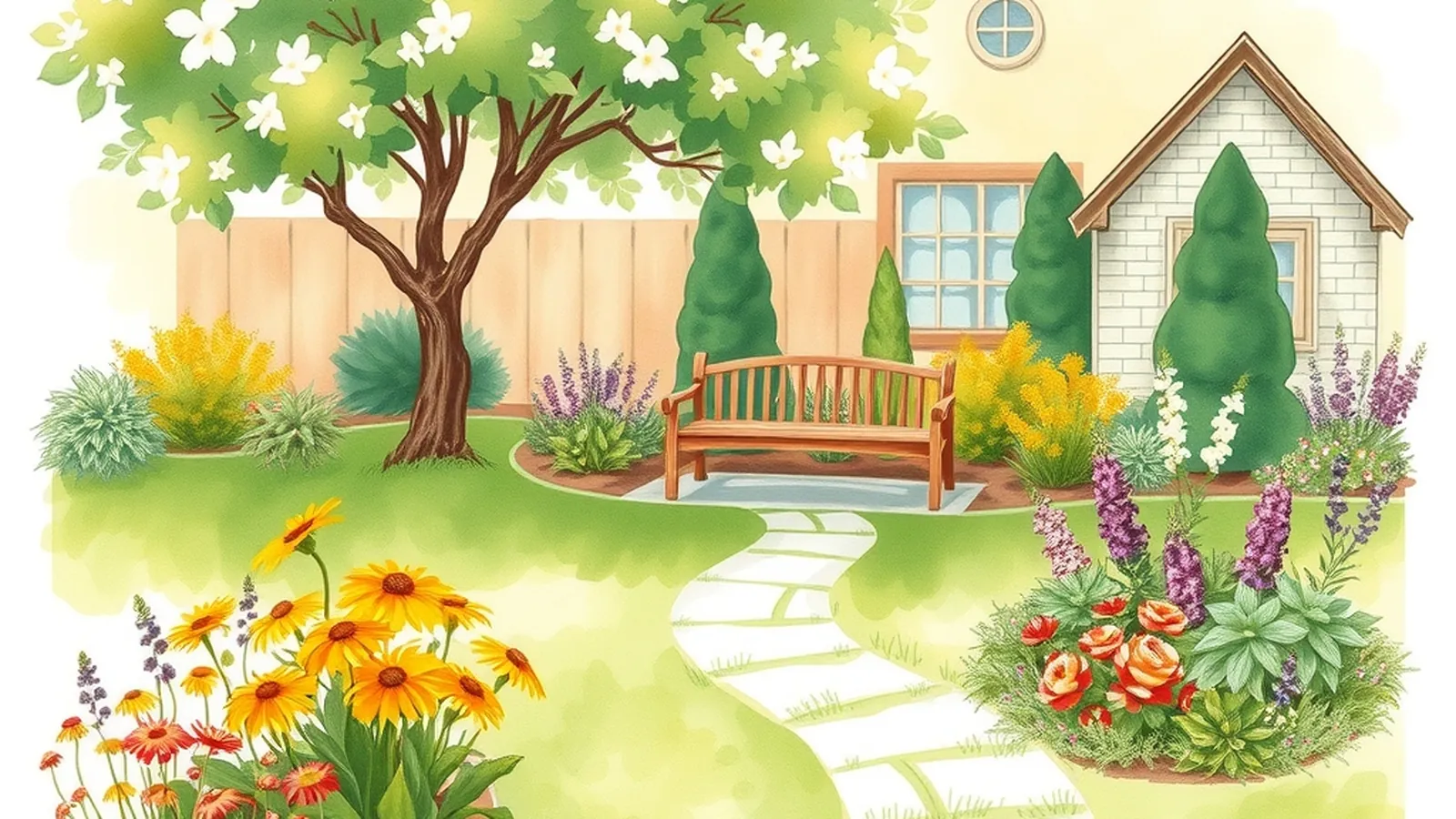
A good yard doesn't have to be a perfect green carpet. It can be a modest lawn that's mowed at the right height, a border of native plants that feeds bees and birds, a shady corner full of ferns, and a couple of trees planted well enough to outlive the mortgage. The guides in this section walk you through each piece in plain language, in the order most new homeowners and renters run into them.
Every yard is different. Your grass type, soil, rainfall and frost dates all shape what works, so we'll point you to your local Cooperative Extension office whenever timing or plant choices depend on where you live.
 Lawn Care BasicsLearn your grass type and follow a simple season-by-season lawn calendar.
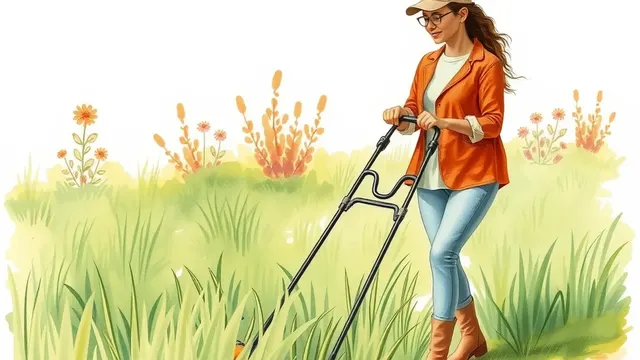 Mowing TipsMow high, cut a third at a time, keep the blade sharp and leave the clippings.
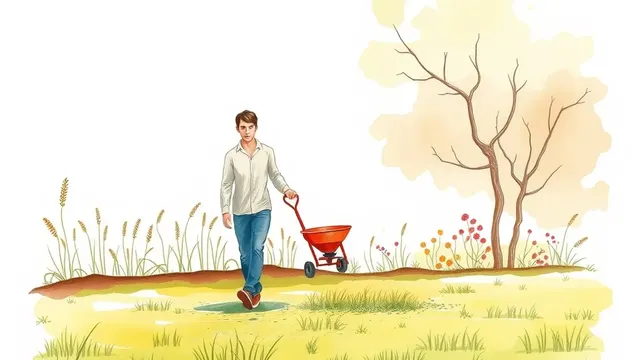 OverseedingThicken a thin lawn by seeding at the right time, prepping well and keeping seed moist.
 Lawn WeedsCrowd out lawn weeds with thick turf and hand pulling, and use herbicides only by the label.
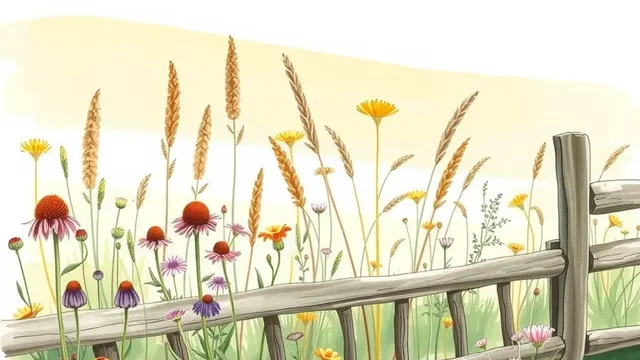 Native PlantsNative plants suit your local climate and feed local wildlife. Here's how to find the right ones.
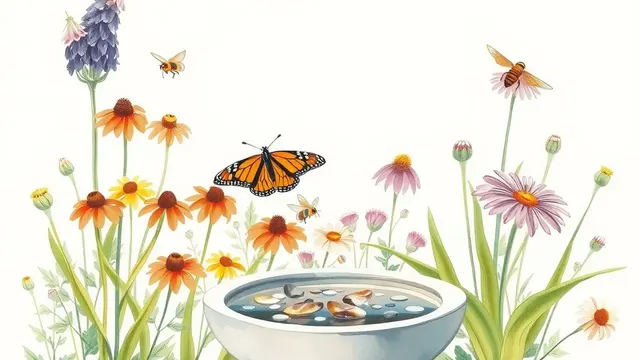 Pollinator GardenPlan flowers from spring to fall, add water and shelter, and keep sprays off blooms.
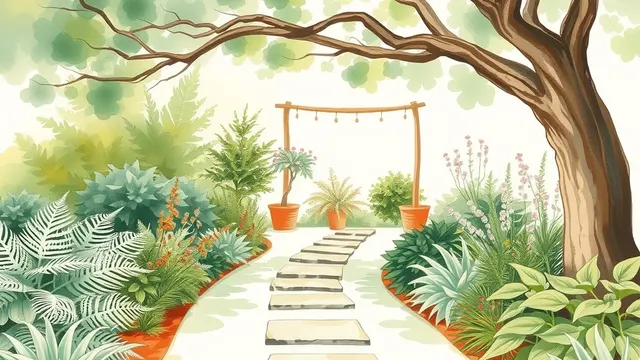 Shade GardenMatch plants to your kind of shade and build a garden of foliage and woodland plants.
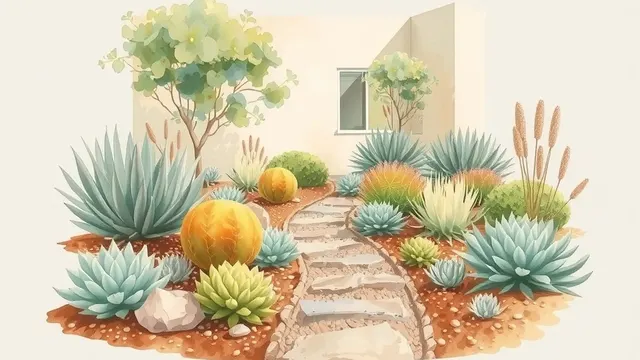 Drought-Tolerant LandscapingGroup plants by water need, mulch, use drip lines and swap some lawn for tougher plants.
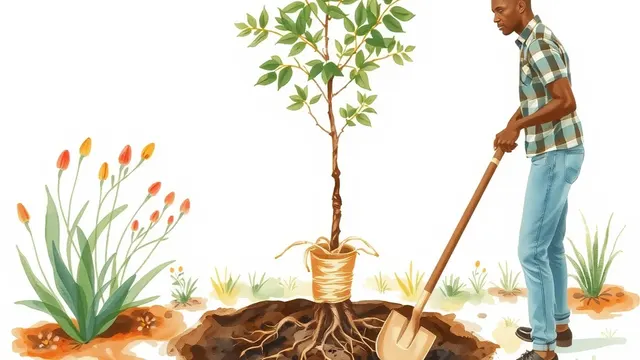 Planting Trees & ShrubsCall 811, dig wide and shallow, set the root flare at grade and water through year one.
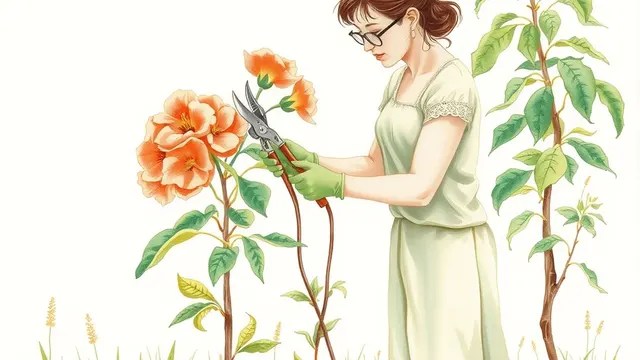 Pruning BasicsPrune by bloom time, make clean cuts with sharp tools and know what to leave alone.
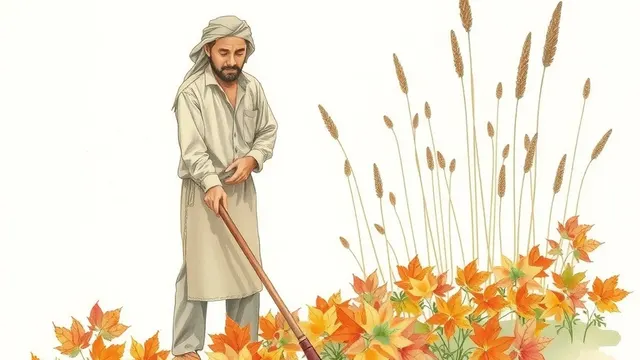 Fall Yard CleanupTurn leaves into mulch, cut back with care, leave some stems for wildlife and store tools well.
Where to start, based on your yard
| If your yard looks like... | Start with |
|---|---|
| Patchy grass with bare spots | Lawn care basics, then overseeding |
| A lawn full of dandelions and clover | Lawn weeds, then mowing tips |
| Big trees and very little sun | Shade garden |
| Hot, dry summers and a high water bill | Drought-tolerant landscaping |
| A bare new-build lot | Planting trees and shrubs, then native plants |
| Overgrown hedges and leggy bushes | Pruning basics |
| Leaves piling up every autumn | Fall yard cleanup |
A sensible order for your first year
You don't need to tackle everything at once. Here's a path that works for most people:
- Learn your lawn. Lawn care basics explains cool-season and warm-season grasses and gives you a season-by-season calendar.
- Fix the habits that matter most. Mowing tips covers height, sharp blades and clippings, which affect lawn health more than most products do.
- Fill in thin spots. Overseeding shows when and how to spread seed so it actually sprouts.
- Deal with weeds calmly. Lawn weeds starts with thick turf and hand pulling before any spray.
- Add life beyond the grass. Native plants, a pollinator garden and a shade garden turn unused corners into something useful.
- Plan for dry spells. Drought-tolerant landscaping groups plants by water need.
- Think long term. Planting trees and shrubs and pruning basics help woody plants thrive for decades.
- Close out the year. The fall yard cleanup checklist keeps leaves and stems working for you.
How the yard connects to the rest of your garden
Lawns and landscape beds share the same foundations as a vegetable patch. If you're new to all of it, a few pages in other sections are worth reading early:
- Your lawn and beds both start with healthy ground. Our soil basics guide explains texture, organic matter and drainage.
- Knowing your zone helps you pick trees and perennials that survive your winters. See what your planting zone means.
- If deer and rabbits keep eating what you plant, keeping deer and rabbits out covers fences and less-tasty plants.
- Want the yard to produce food or honey someday? Look at backyard chickens and beekeeping basics in our Backyard Homestead section.
A few ground rules we follow
We favor the gentlest fix first. That means healthy soil, the right plant in the right place, and good mowing and watering habits before any chemical product. When a weed killer, insecticide or fertilizer does make sense, follow the product label exactly, keep kids and pets off treated areas for as long as the label says, and store products out of reach.
Some yard jobs aren't DIY jobs. Large trees, limbs near power lines, chainsaw work and anything on a tall ladder belong with a trained professional. And before you dig any hole for a tree, post or bed edge, call 811 so buried utility lines can be marked.
Free help near you
Your state's Cooperative Extension service is one of the most useful yard resources you'll find. Local offices can tell you which grasses and native plants suit your area, and many run soil testing and Master Gardener help lines. Our Choosing Plans & Courses section explains how to find that help and how to judge any paid lawn or landscaping course before you spend money on it.
Something to do this weekend
Walk your yard with a notebook. Mark where the sun hits in the morning and afternoon, where water puddles after rain, where grass is thin and where you actually walk or sit. That simple map will make every guide in this section easier to use, and it costs nothing but an hour outside.
Want a step-by-step plan or guide?
Some people like the structure of a paid guide or set of plans. This button opens a third-party program from one of our advertising partners. Its claims are its own, not ours, so weigh them against our checklist for judging paid plans.
See the partner program →We may be paid when you click. The program shown can change. Read its terms before you buy anything. How this works
Frequently asked questions
I just bought a house with a tired lawn. Where do I start?
Start with lawn care basics to learn which kind of grass you likely have, then get a soil test before you buy fertilizer or seed. Mowing higher is the easiest change you can make this week.
Do I have to keep a traditional lawn?
No, unless a lease, HOA or local rule says otherwise. Many people keep a smaller lawn for play and paths and turn the rest into beds of native, shade-tolerant or drought-tolerant plants.