How to Plant a Tree or Shrub
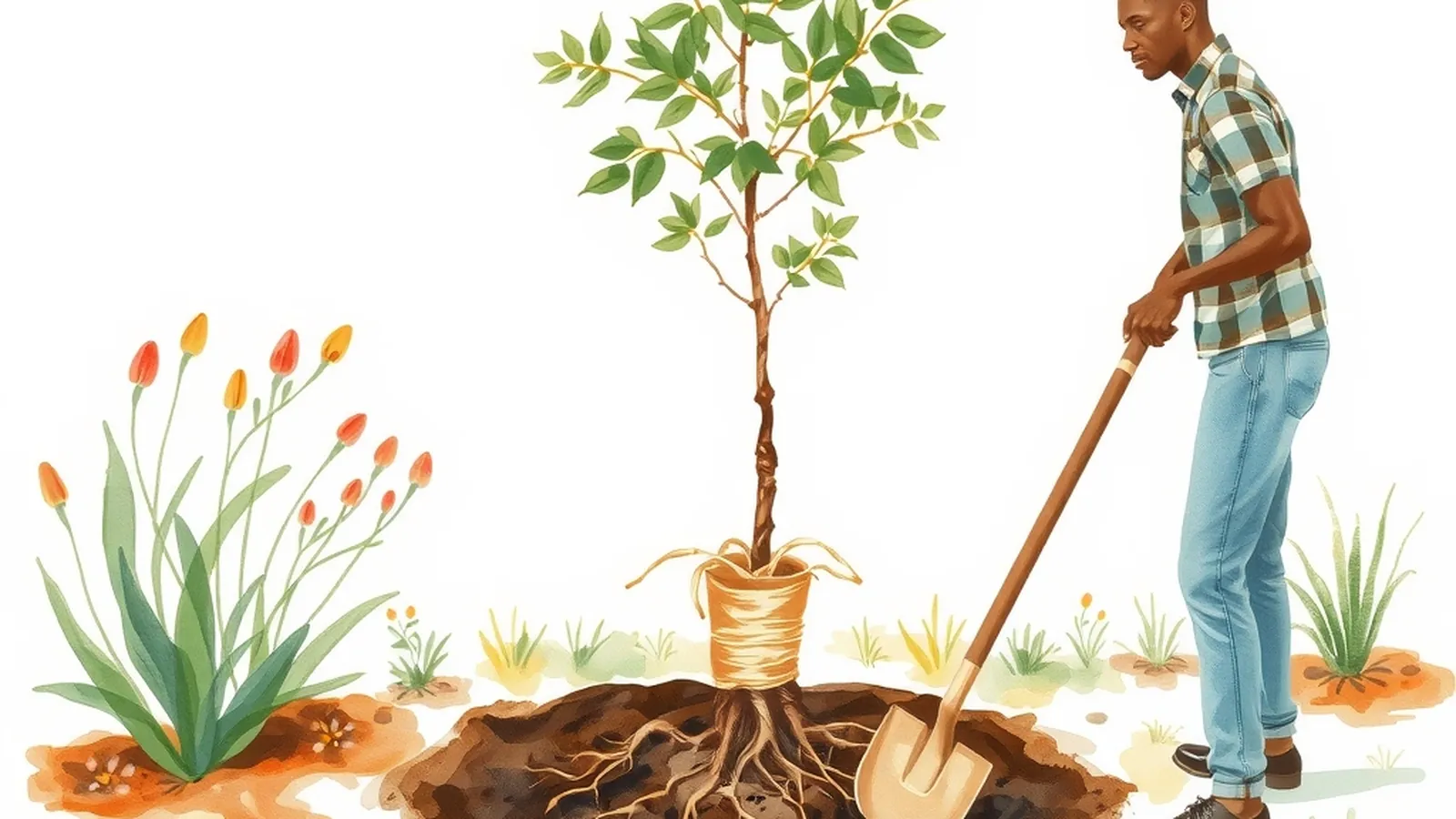
To plant a tree or shrub, call 811 a few days before you dig so buried utility lines can be marked. Then dig a hole that's wide but no deeper than the root ball, find the root flare (where the trunk widens into roots) and set it at or slightly above ground level, backfill with the soil you dug out, mulch lightly and water deeply and regularly through the first year. Most problems with new trees come from planting too deep or watering too little.
Trees and shrubs are the long-term backbone of a yard. This guide in our Lawn & Yard section covers how to plant one so it has the best chance of thriving for decades.
Before you dig: call 811
811 is the free national call-before-you-dig number. When you call, or file a request online through your state's 811 center, local utility companies send someone to mark the approximate location of their buried lines with paint or small flags. This includes gas, electric, water, sewer and communication lines.
Why it matters:
- Safety. Hitting a gas or electric line can cause serious injury.
- Service. Cutting a communication or water line can knock out service for you and your neighbors.
- Rules and repairs. Damaging a utility line can leave you responsible for repairs, and your state's 811 center can tell you what local digging rules apply to homeowners.
How it works:
- Call 811 or submit an online request a few business days before you plan to dig. Your state's 811 center sets the exact notice required.
- Describe where you'll dig. Many centers ask you to outline the area with white paint or flags first.
- Wait for the marks. Each utility marks its lines with a color code. Check that all utilities have responded before you start.
- Dig carefully near marks. Marks show approximate locations. Your state's rules explain how far from a mark you should hand-dig only.
- Keep in mind private lines. 811 generally covers utility-owned lines. Lines you or a past owner installed, like a sprinkler system, a line to a shed or a gas line to a grill, may not be marked. Hire a private locator if you're unsure.
Also look up before you plant. Don't place trees that will grow tall under overhead power lines.
Choose the right tree for the spot
A healthy tree starts with a good match:
- Mature size: check the full-grown height and spread. Keep it away from your house, foundation, sidewalks and overhead lines.
- Hardiness: choose trees suited to your planting zone and local conditions.
- Sun and soil: match the tree's needs to your site.
- Water: in dry regions, look for drought-adapted trees. Our drought-tolerant landscaping guide explains grouping plants by water need.
Your local Extension office often publishes recommended tree and shrub lists for your area. You can find your county's office through our page on free gardening help.
When to plant
In many regions, fall is a good time to plant trees and shrubs because cooler air and warm soil help roots grow before summer heat. Early spring is the other common window. Timing depends on your climate, so ask your Extension office.
How to plant, step by step
- Find the root flare. Look at the base of the trunk. The flare is where it widens into roots. On many nursery trees, it's buried under extra soil in the pot or burlap. Gently remove soil from the top of the root ball until you see it.
- Measure the root ball. Measure from the flare down to the bottom of the root ball. That's how deep your hole should be. Don't dig deeper.
- Dig wide. Make the hole two to three times as wide as the root ball, with sloping sides. Roots grow outward into loosened soil.
- Prepare the roots. For a container plant, slide it out of the pot, and if roots circle the pot, gently tease or cut them so they point outward. For a balled-and-burlapped plant, set the ball in the hole, then cut away as much burlap, twine and any wire basket as you safely can, especially from the top and sides.
- Set the height. Place the tree so the root flare sits at or slightly above the surrounding ground. Lay a shovel handle across the hole to check.
- Backfill. Fill with the soil you dug out, breaking up big clods. Firm it gently with your hands to remove large air pockets. Don't stomp it down hard.
- Water deeply. Soak the planting area slowly so water reaches the full root ball.
- Mulch. Spread a layer of mulch in a wide ring, keeping it pulled back several inches from the trunk. Never pile mulch against the trunk.
Wear gloves and sturdy shoes, lift with your legs, and get a helper for heavy root balls.
Watering through the first year
Roots of new trees and shrubs extend slowly into the surrounding soil, and the root ball dries out fast at first.
| Period | How to water |
|---|---|
| First few weeks | Check soil every few days and water deeply when the top few inches feel dry |
| Rest of the first season | Water deeply about weekly in dry weather, more often in heat |
| First year and beyond | Keep watering in dry spells, especially in summer and before the ground freezes |
Check moisture by pushing a finger or trowel into the soil at the edge of the root ball. A slow-running hose at the base or a soaker hose in a ring works well. Larger trees may need watering in dry spells for a few years.
Aftercare
- Skip heavy pruning. Remove only broken or dead branches at planting time. Our pruning basics guide covers what to cut later.
- Protect the trunk from mowers and string trimmers with a wide mulch ring.
- Keep leaves useful. In fall, raked leaves can top up the mulch ring. Our fall yard cleanup checklist explains how.
Small space? Try a container
If you rent or have no yard, dwarf fruit trees and berry bushes can grow in large pots. See our guide to fruit trees and berries in containers.
When to hire a pro
Hire a professional, such as a certified arborist or landscaper, for very large trees, trees near buildings or power lines, or any removal or digging near utility marks.
Example: planting a shade tree
Example: Jamie wanted a shade tree on the west side of their yard. They called 811, waited for the marks, and found a gas line about where they'd planned to dig, so they moved the spot several feet. They uncovered the root flare under a few inches of potting soil, dug a wide, shallow hole and set the tree with the flare just above grade. They watered weekly through the summer and kept mulch off the trunk. The tree leafed out the next spring. Every tree and site is different, and some new trees struggle despite good care.
Something to do this weekend
Pick the spot for your next tree or shrub, check overhead for wires and measure the distance to your house. Then call 811 or file an online request for that spot so it's marked and ready.
Want a step-by-step plan or guide?
Some people like the structure of a paid guide or set of plans. This button opens a third-party program from one of our advertising partners. Its claims are its own, not ours, so weigh them against our checklist for judging paid plans.
See the partner program →We may be paid when you click. The program shown can change. Read its terms before you buy anything. How this works
Frequently asked questions
Do I really need to call 811 to plant one tree?
Yes. Even a single planting hole can hit a buried gas, electric or communication line. Calling 811 is free, and it gets lines marked before you dig.
Should I add fertilizer or compost to the planting hole?
Generally, backfill with the soil you dug out so roots learn to grow into the surrounding ground. Get a soil test if you're unsure, and follow any product label if you do use an amendment.
Should I stake a new tree?
Many young trees don't need staking. Stake only if the tree can't stand on its own or the site is very windy, use soft, wide ties, and remove the stakes once the roots hold it steady, often within a year.