Fall Yard Cleanup Checklist
A good fall yard cleanup is about putting the yard to bed, not scrubbing it bare. Shred fallen leaves and use them as mulch or compost, give the lawn a last mow, cut back diseased or floppy plants but leave some healthy stems and seed heads standing for birds and insects, water new plantings before the ground freezes and clean and store your tools. The checklist below breaks it into manageable weekends.
Fall is a busy season for yards, and it's the last stop in the yearly cycle covered by our Lawn & Yard section. Timing depends on your frost dates, so adjust the schedule for your area.
The fall yard cleanup checklist
Leaves
- Mow light leaf layers on the lawn into small pieces and let them stay.
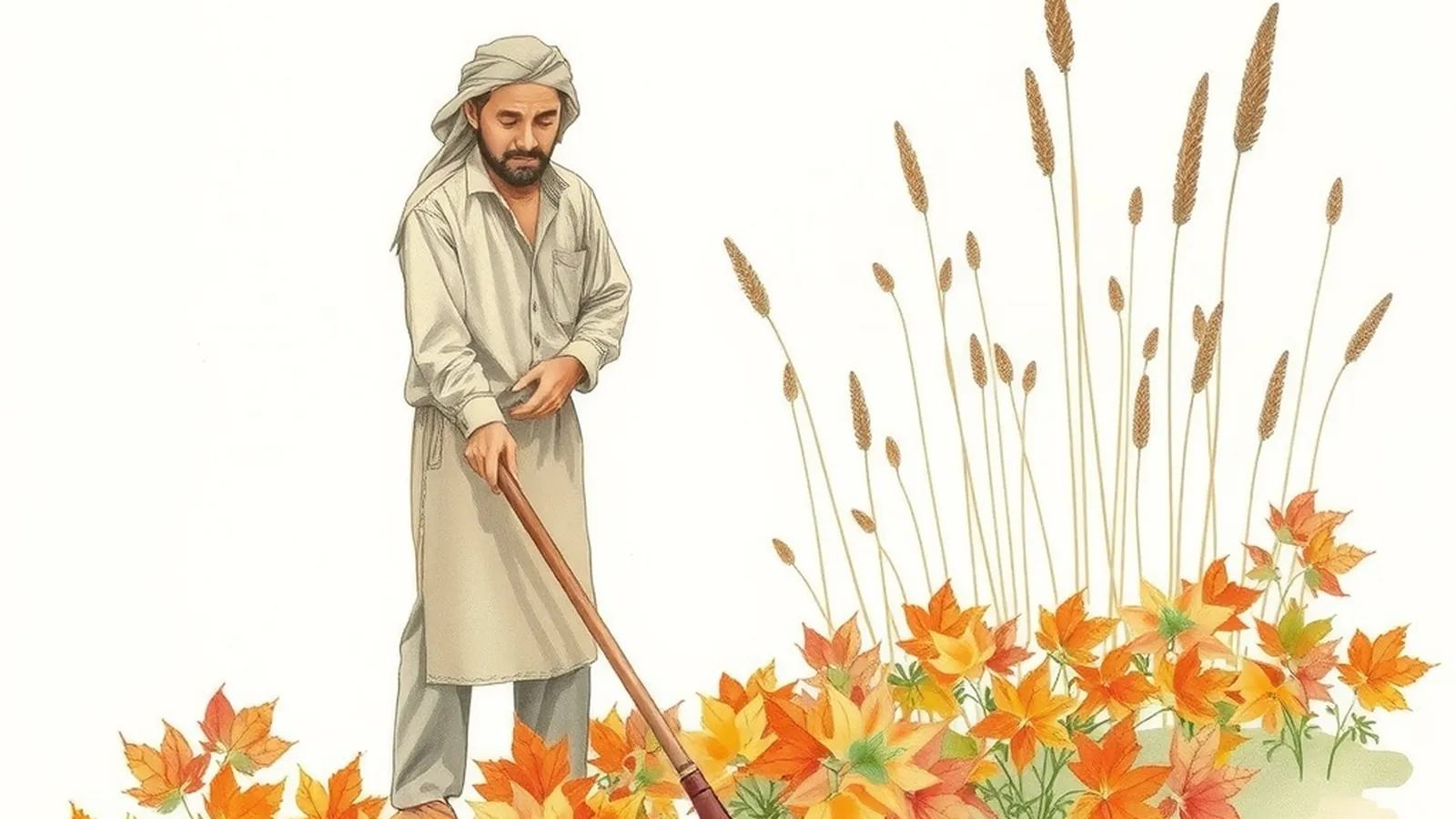
- Rake or blow thicker layers into piles.
- Shred piles with a mower or leaf shredder so they break down faster.
- Spread shredded leaves on beds and around shrubs as mulch.
- Add extra leaves to the compost pile or save some in bags for next year.
- Clear leaves off sidewalks, steps and storm drains to prevent slips and clogs.
Lawn
- Keep mowing at your normal height while grass grows.
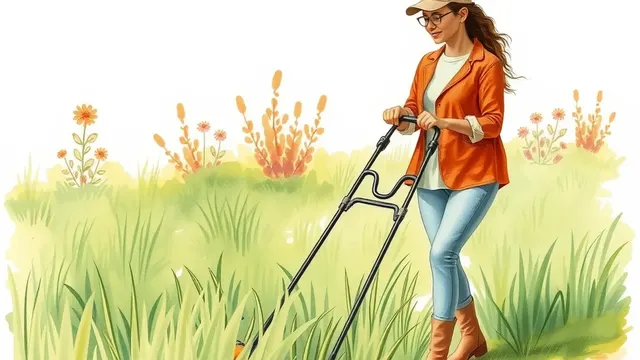
- Give a final mow as growth stops.
- Overseed cool-season lawns early in fall, if needed.
- Note bare spots, wet areas and weedy patches for next year.
Beds and borders
- Pull weeds before they drop seed.
- Remove diseased plants and leaves, and keep them out of compost.
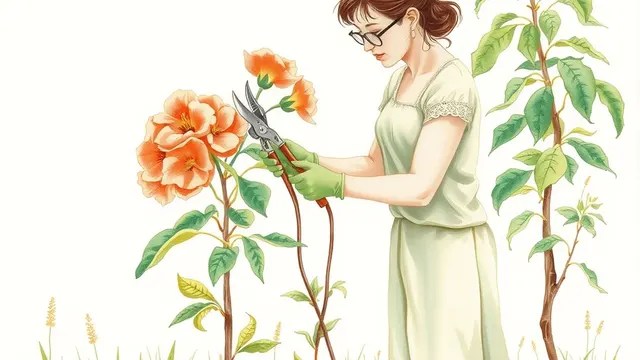
- Cut back floppy or messy plants near walkways.
- Leave healthy perennials, ornamental grasses and seed heads standing where you can.
- Plant spring bulbs and divide crowded perennials, if your timing allows.
Trees and shrubs
- Water new trees and shrubs deeply until the ground freezes.
- Remove dead or broken branches.
- Hold off on major pruning of most shrubs until late winter or after bloom.
- Keep mulch pulled back from trunks.
Tools and equipment
- Clean, dry and sharpen hand tools.
- Drain and coil hoses, and store them out of freezing weather.
- Prepare the mower for winter following its manual.
- Store fertilizers and lawn products in their original containers, out of reach of kids and pets.
Leaves: your free mulch
Fallen leaves are one of the most useful materials a yard produces. Whole leaves can mat into a layer that sheds water and smothers grass, so shredding them first helps. A few ways to use them:
- On the lawn: run the mower over a light layer until the pieces fall between the grass blades. Our mowing tips explain why leaving clippings, and finely chopped leaves, can feed the soil.
- In beds: spread shredded leaves a few inches deep over bare soil, keeping them off plant crowns and stems.
- In the compost: leaves are a classic "brown" ingredient that balances wet "greens" like kitchen scraps and grass clippings. Our guide on how to compost for beginners explains the mix and how to keep a pile from smelling.
- As leaf mold: pile or bag moist, shredded leaves and leave them for a year or more. They break down into a crumbly material that improves soil.
What to cut back, and what to leave
Not every plant needs to be cut to the ground in fall.
| Cut back in fall | Leave standing until late winter or spring |
|---|---|
| Plants with disease problems, like mildewed leaves | Healthy perennials with sturdy stems |
| Plants that flopped onto paths or the lawn | Seed heads birds can eat |
| Plants that turn to mush after frost | Ornamental and native grasses |
| Vegetable plants that are finished | Hollow or pithy stems where some bees nest |
Leaving some stems and leaf litter gives birds food and gives many insects, including pollinators and the creatures that eat garden pests, a place to spend the winter. If you want to go further, our pollinator garden guide explains how to support them all year.
For shrubs and trees, fall is mostly for removing dead or broken wood. Our pruning basics guide explains why heavier pruning usually waits until late winter or right after bloom.
Finishing the lawn year
Fall is a key season for lawns, especially cool-season grasses, which grow strongly as temperatures cool. Our lawn care basics calendar shows what to do for your grass type. A few fall reminders:
- Keep leaves from piling on the grass for weeks at a time.
- Avoid heavy traffic on wet or frosty grass.
- If you plan to feed the lawn, follow your soil test and the product label for timing and amounts.
Around the house
Yard cleanup is a good time to handle a few outdoor home tasks too:
- Clear gutters and downspouts so leaves don't cause overflows. Use a sturdy ladder on firm ground with a helper, or hire a pro for high or steep roofs.
- Shut off and drain outdoor faucets in cold climates.
- Move patio cushions and pots that may crack in freezes.
Our home maintenance checklist has more seasonal tasks for the house.
Plan next year while it's fresh
Once the yard is tucked in, jot down what worked and what didn't. Winter is a good time to learn more, and free help from your Extension office is often the best place to start. If you're considering a paid lawn or landscaping course, read whether online gardening courses are worth it first.
Example: a cleanup spread over four weekends
Example: Avery used to spend one exhausting November weekend bagging leaves. This year they spread the work out. Weekend one, they pulled weeds and cut back mildewed plants. Weekend two, they mowed leaves into the lawn and shredded the rest for beds. Weekend three, they watered their new shrubs, planted bulbs and cleaned tools. Weekend four, after the last leaves fell, they gave the lawn a final mow and stored the hoses. They left the coneflowers and grasses standing for birds. It took about the same time overall but felt far more manageable.
Something to do this weekend
Pick one task from each section of the checklist and do those first. Start by mowing a light layer of leaves into the lawn and spreading another bag's worth as mulch over a bare bed.
Want a step-by-step plan or guide?
Some people like the structure of a paid guide or set of plans. This button opens a third-party program from one of our advertising partners. Its claims are its own, not ours, so weigh them against our checklist for judging paid plans.
See the partner program →We may be paid when you click. The program shown can change. Read its terms before you buy anything. How this works
Frequently asked questions
Do I have to rake all my leaves?
Usually not. A light layer can be mowed into small pieces and left on the lawn, and extra leaves make good mulch for beds or compost. Just don't leave a thick, matted layer on the grass all winter.
Should I cut back all my perennials in fall?
No. Cut back plants that had disease problems, but many healthy perennials and grasses can stand through winter, giving seeds to birds and shelter to insects. Cut them back in late winter or early spring instead.
When should I do my fall yard cleanup?
Spread it over the season, from the first leaf drop until the ground freezes or growth stops. Exact timing depends on your climate and frost dates.