How to Make a Pollinator Garden
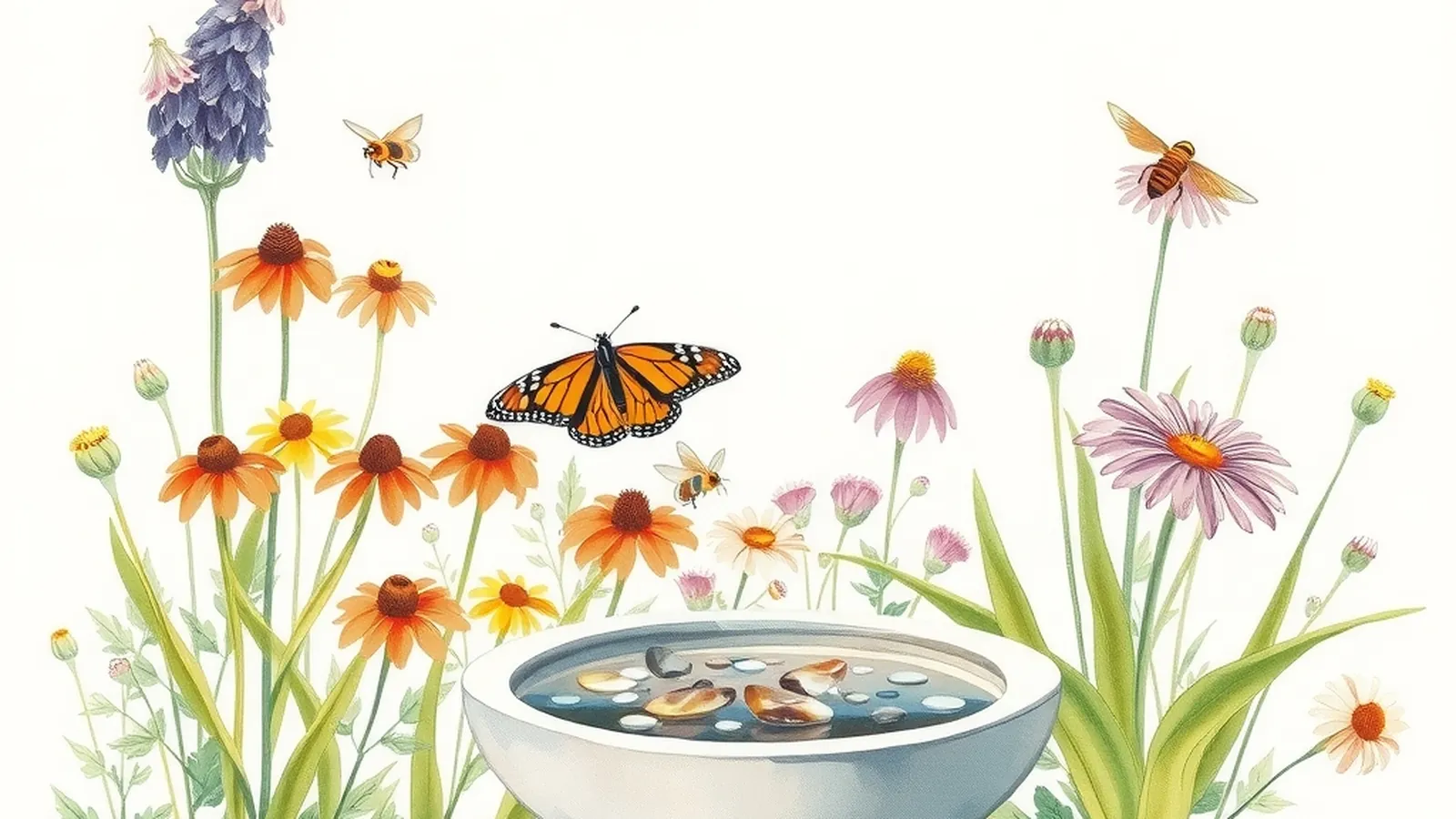
To make a pollinator garden, plant a mix of flowers that bloom from early spring through fall, favor native plants suited to your region, add a shallow water source and some undisturbed shelter, and avoid spraying pesticides on or near flowers. Group several plants of the same kind together so pollinators can find them, and choose a sunny spot when you can.
A pollinator garden is one of the most rewarding projects in our Lawn & Yard section. It can be a whole border or just a few square feet, and you'll notice visitors quickly once flowers open.
What pollinators need
Bees, butterflies, moths, flies, beetles and hummingbirds all move pollen between flowers. To support them, a garden needs four things:
- Food from flowers (nectar and pollen) across the whole growing season.
- Host plants where butterflies and moths lay eggs and caterpillars feed.
- Water that's shallow and safe to land in.
- Shelter for nesting and overwintering, including bare soil, hollow stems and leaf litter.
Plan bloom through the seasons
A garden that's covered in flowers for three weeks in June and then goes quiet doesn't help much the rest of the year. Aim for at least a few plants blooming in each season.
| Season | Why it matters | What to look for |
|---|---|---|
| Early spring | Early bees emerge hungry when little else is blooming | Spring bulbs, flowering shrubs, early native wildflowers, flowering trees |
| Late spring to early summer | Many bees and butterflies are active and raising young | Herbs left to flower, native perennials, flowering shrubs |
| Midsummer | Heat and dry spells can leave gaps | Drought-tolerant natives, long-blooming perennials |
| Late summer to fall | Migrating butterflies and bees preparing for winter need fuel | Late-blooming native asters, goldenrods and similar plants for your region |
Exact plant choices depend on your region, so use your state native plant society or local Extension office's lists. Our guide to native plants explains where to find them and why natives tend to support more local wildlife.
Design tips that help
- Plant in clumps. Groups of three or more of the same plant are easier for pollinators to spot than single scattered plants.
- Mix flower shapes. Flat, open flowers suit many small bees and flies; tubular flowers suit hummingbirds and long-tongued bees; clusters of tiny flowers suit butterflies.
- Choose a sunny spot. Most pollinator plants bloom best in full or part sun. If your yard is shady, look at woodland natives in our shade garden guide, which include several spring bloomers.
- Include host plants. Learn which native plants local butterflies use for their caterpillars, and accept some chewed leaves as part of the deal.
- Prefer simple flowers. Some heavily doubled flowers have so many petals that pollinators can't reach the pollen or nectar.
- Plan for dry weather. If summers are hot and dry where you live, pairing pollinator plants with ideas from our drought-tolerant landscaping guide keeps blooms going with less watering.
Add water and shelter
Water: Fill a shallow dish or birdbath with water and add pebbles or stones that poke above the surface so insects can land safely. Change the water every few days to keep it clean and to keep mosquitoes from breeding.
Shelter:
- Leave a small patch of bare, sunny soil. Many native bees nest in the ground.
- In fall, leave some hollow or pithy flower stems standing. Some bees nest inside them. Cut them back in spring, leaving stubs of varying heights.
- Let some leaves stay under shrubs and in beds over winter. Many insects shelter there.
- A brush pile or log in a back corner offers more cover.
Avoid sprays on blooms
Pesticides, including some labeled organic, can harm pollinators. The gentlest approach:
- Tolerate some leaf damage. A garden with a few chewed leaves is usually a healthy one.
- Hand-pick pests or knock them off with a strong spray of water.
- If you do decide to use a pesticide, follow the label exactly, choose a product labeled for your plant and pest, and never apply it to plants in bloom or while bees are visiting. Many labels include specific pollinator warnings. Our guide to using pesticides safely explains label rules in depth.
- Be cautious with plants that may have been treated at the nursery. Ask the seller how plants were grown.
Thinking about keeping bees?
A pollinator garden supports wild bees on its own. If you're curious about going further with honeybees, our beekeeping basics guide covers local rules, the time and gear involved, and finding a mentor. Honeybees aren't required to have a thriving pollinator garden, and many native bees do the pollinating in home gardens.
Safety around bees
Most bees visiting flowers are busy and not aggressive, but stings happen.
- Wear shoes in the garden and avoid swatting at bees.
- Teach kids to watch bees calmly rather than grab at flowers.
- If anyone in your household has a known sting allergy, talk with their doctor about precautions.
- If someone has trouble breathing, swelling of the face or throat, or feels faint after a sting, call 911 right away.
Example: a small front-yard pollinator bed
Example: Taylor had a sunny strip by the front walk that held only gravel and a few struggling shrubs. They asked their county Extension office for a regional pollinator plant list and picked plants to cover each season: a native flowering shrub for spring, two kinds of perennial wildflowers for summer, and a native aster for fall. They planted each in groups of three, added a shallow dish of water with stones, and left a small patch of bare soil at one end. In the first summer, they spotted several kinds of bees and a few butterflies. What you'll see depends on your area, the plants you choose and the surrounding landscape.
Something to do this weekend
Walk your yard and note what's blooming now, then think back to what bloomed in spring and summer. Find the biggest gap in your bloom calendar. Look up two native plants for your region that flower in that season, and pick a sunny spot where you could plant a group of each.
Want a step-by-step plan or guide?
Some people like the structure of a paid guide or set of plans. This button opens a third-party program from one of our advertising partners. Its claims are its own, not ours, so weigh them against our checklist for judging paid plans.
See the partner program →We may be paid when you click. The program shown can change. Read its terms before you buy anything. How this works
Frequently asked questions
How big does a pollinator garden need to be?
Any size helps. A few pots on a balcony or a small bed by the mailbox can offer food, and several small patches across a yard can work as well as one big bed.
Will a pollinator garden bring stinging insects close to my house?
You'll see more bees, and most are focused on flowers and not interested in people. Put the garden a little away from doors and play areas if you're concerned, and if anyone in your home has a known sting allergy, talk with their doctor about precautions.
Should I put out a butterfly or bee house?
You can, but start with plants, water and undisturbed ground, which do most of the work. If you add a bee house, choose one designed to be cleaned or replaced, and follow its care instructions.