Drought Tolerant Landscaping
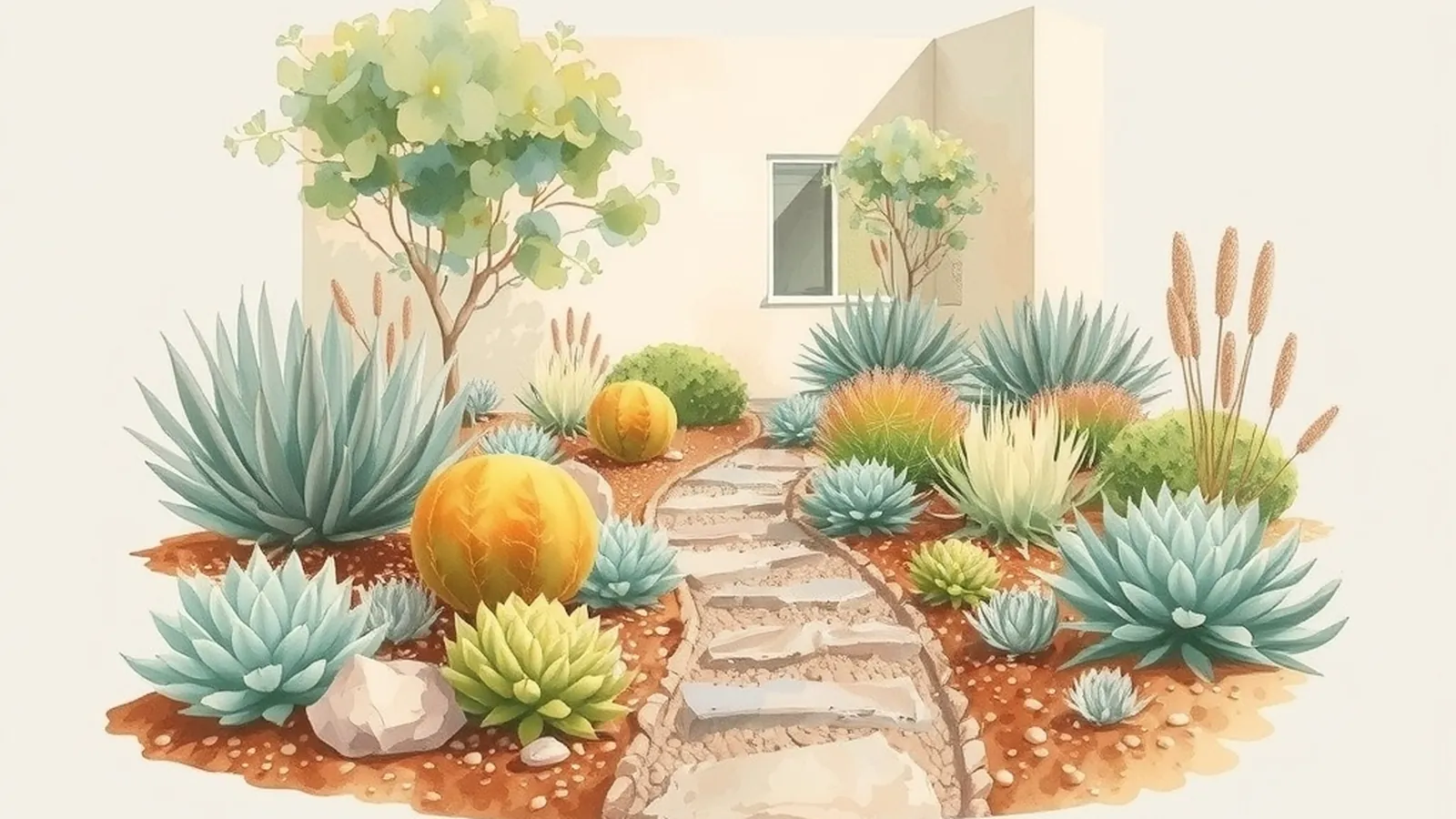
Drought tolerant landscaping means designing your yard to thrive on less water. The core steps are to group plants by how much water they need, choose plants suited to your climate (often natives), cover bare soil with mulch, water with drip lines or soaker hoses instead of sprinklers, and replace some thirsty lawn with planted beds. You can do it all at once or one bed at a time.
It's a practical approach almost anywhere, not just in deserts, because dry spells and watering limits can happen in many regions. This guide is part of our wider look at yards in the Lawn & Yard section.
Start with a water map
Before you plant anything, walk your yard and notice how water behaves.
- Dry spots: south- and west-facing slopes, areas near pavement, under eaves and strips by the street.
- Moist spots: low areas where water collects, near downspouts and on north sides of buildings.
- Shade vs. sun: shaded areas lose less water to evaporation, though dry shade under trees is its own challenge. Our shade garden guide covers that.
Sketch a rough map and mark each area as dry, medium or moist. This becomes the basis for where each plant goes.
Group plants by water need
Grouping plants with similar needs is often called hydrozoning. It lets you water each area just the right amount instead of overwatering some plants to keep others alive.
| Zone | Where it goes | What to plant | Watering once established |
|---|---|---|---|
| Low water | Far edges of the yard, hot slopes, street strips | The toughest drought-adapted plants for your region | Rarely, or only in long dry spells |
| Moderate water | Middle of the yard, partly shaded areas | Adaptable shrubs, perennials and grasses | Occasional deep watering in dry weather |
| Higher water | Close to the house, near the patio, vegetable beds | Edibles, containers and favorite plants that need more care | Regular watering |
Putting higher-water plants close to the house makes them easier to reach with a hose and enjoy.
Choose plants suited to your climate
What counts as drought tolerant depends on where you live. A plant that handles dry summers in a cool climate may not survive desert heat. Good places to look:
- Native plants for your region, many of which are adapted to local rainfall patterns. Our native plants guide explains how to find them.
- Regional plant lists from your Cooperative Extension office.
- Plants with drought-adapted features, like silver or fuzzy leaves, small or narrow leaves, or thick, fleshy leaves.
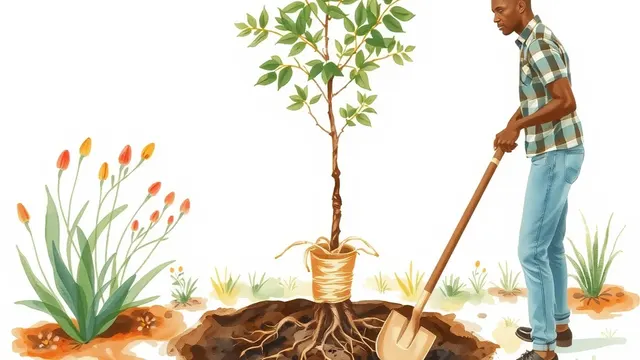
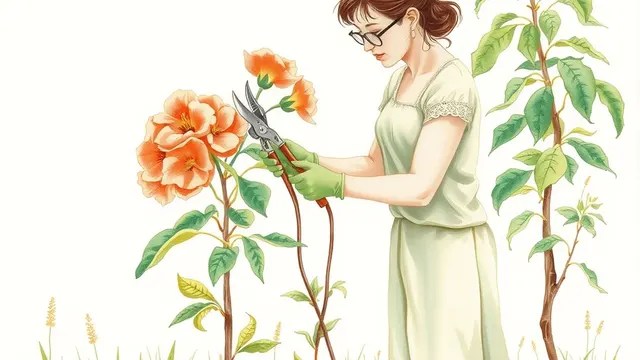
Trees and shrubs are long-term investments in a water-wise yard, since they shade soil and buildings. Our guide to planting trees and shrubs covers getting them off to a good start, and pruning basics explains how to keep them healthy without overcutting, which can stress plants in dry years.
Mulch every bare spot
Mulch slows evaporation, keeps soil cooler and smothers weeds that would compete for water. Spread a layer of shredded bark, wood chips or another organic mulch over planting beds, keeping it pulled back from stems and trunks. Organic mulches also break down over time and improve the soil.
Our guide to the best mulch for your garden compares types and how thick to apply them.
Water smarter with drip
Sprinklers lose a lot of water to wind and evaporation, and they wet leaves, paths and pavement. Drip irrigation and soaker hoses deliver water slowly at the base of plants.
Simple watering upgrades:
- Lay soaker hoses through beds and cover them with mulch.
- Try a basic drip kit with emitters at each plant. Many hardware stores sell starter kits with instructions.
- Add a hose timer so watering happens early in the morning, even when you forget.
- Water deeply and less often to train roots to grow down.
- Check soil before watering. Dig a few inches down with a trowel. If it's still moist, wait.
Follow any local watering restrictions, which often limit days or times.
Capture rain
Rainwater is a free source of irrigation for ornamental beds. A rain barrel under a downspout can store runoff for dry weeks. Rules on collecting rainwater vary by state, and barrels need screens to keep mosquitoes out. Our guide to rainwater harvesting for gardens covers setup, rules and safe uses.
You can also shape beds so rain soaks in rather than runs off, like a shallow dip where a downspout drains or a planted swale along a slope.
Replace some lawn
Traditional turf often needs regular watering through dry summers. You don't have to give up grass entirely, but shrinking it can make a big difference in how much you water.
- Keep lawn where you use it, like a play area or a dog run.
- Convert edges and hard-to-mow spots first, such as slopes and narrow strips.
- Remove turf carefully. Smothering grass with cardboard and mulch for a few months is one gentle method. Removing it by hand is faster.
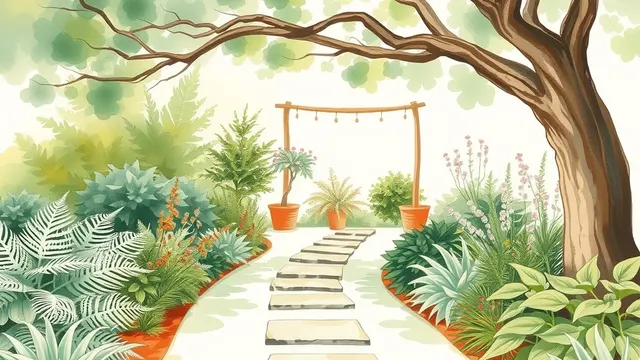
- Add paths of gravel, flagstone or mulch through new beds so the space stays usable.
Check your lease, HOA and local rules before major changes.
Example: a front yard makeover over two seasons
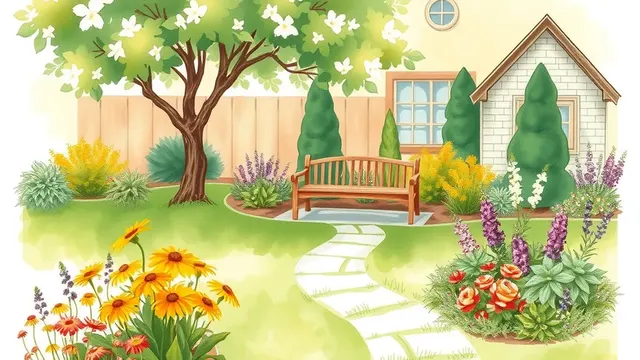
Example: Robin's front lawn struggled every summer, and they were tired of watering it. In fall, they smothered the hottest half of the lawn, along the sidewalk, with cardboard and wood chips. In spring, they planted drought-adapted natives from an Extension list, grouping the toughest plants near the street and putting a few moderate-water shrubs closer to the house. A soaker hose ran under the mulch on a timer. They watered regularly that first summer while plants rooted, then cut back. The next summer the bed needed much less watering, though Robin still hand-watered during one long heat wave. How much any yard saves depends on climate, soil and plant choices.
Something to do this weekend
Make your water map. Sketch your yard on paper, mark areas as dry, medium or moist, and circle the patch of lawn you use least. That circle is your best candidate for your first drought-tolerant bed.
Want a step-by-step plan or guide?
Some people like the structure of a paid guide or set of plans. This button opens a third-party program from one of our advertising partners. Its claims are its own, not ours, so weigh them against our checklist for judging paid plans.
See the partner program →We may be paid when you click. The program shown can change. Read its terms before you buy anything. How this works
Frequently asked questions
Do drought-tolerant plants need watering?
Yes, at first. Almost every new plant needs regular watering while its roots establish, often for the first season or longer. After that, well-chosen plants may need far less help, depending on your climate.
Is gravel landscaping drought tolerant?
Gravel itself needs no water, but large areas of bare rock can get very hot and reflect heat onto your house and plants. Pairing gravel paths with planted beds and mulch usually works better than covering the whole yard in stone.
Can I get rid of my whole lawn?
Check your lease, HOA and any local rules first. Many people keep a small lawn for play or pets and replace the rest gradually with beds, so the change is manageable.