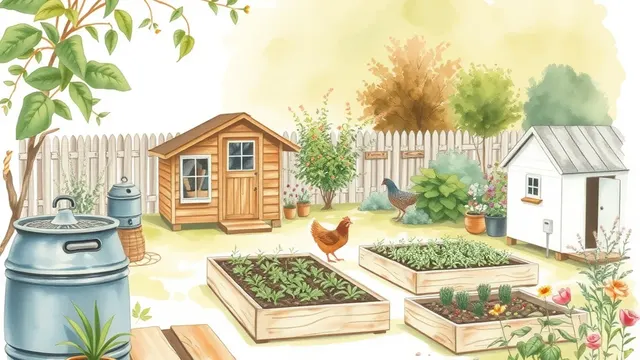
Rainwater Harvesting for Gardens
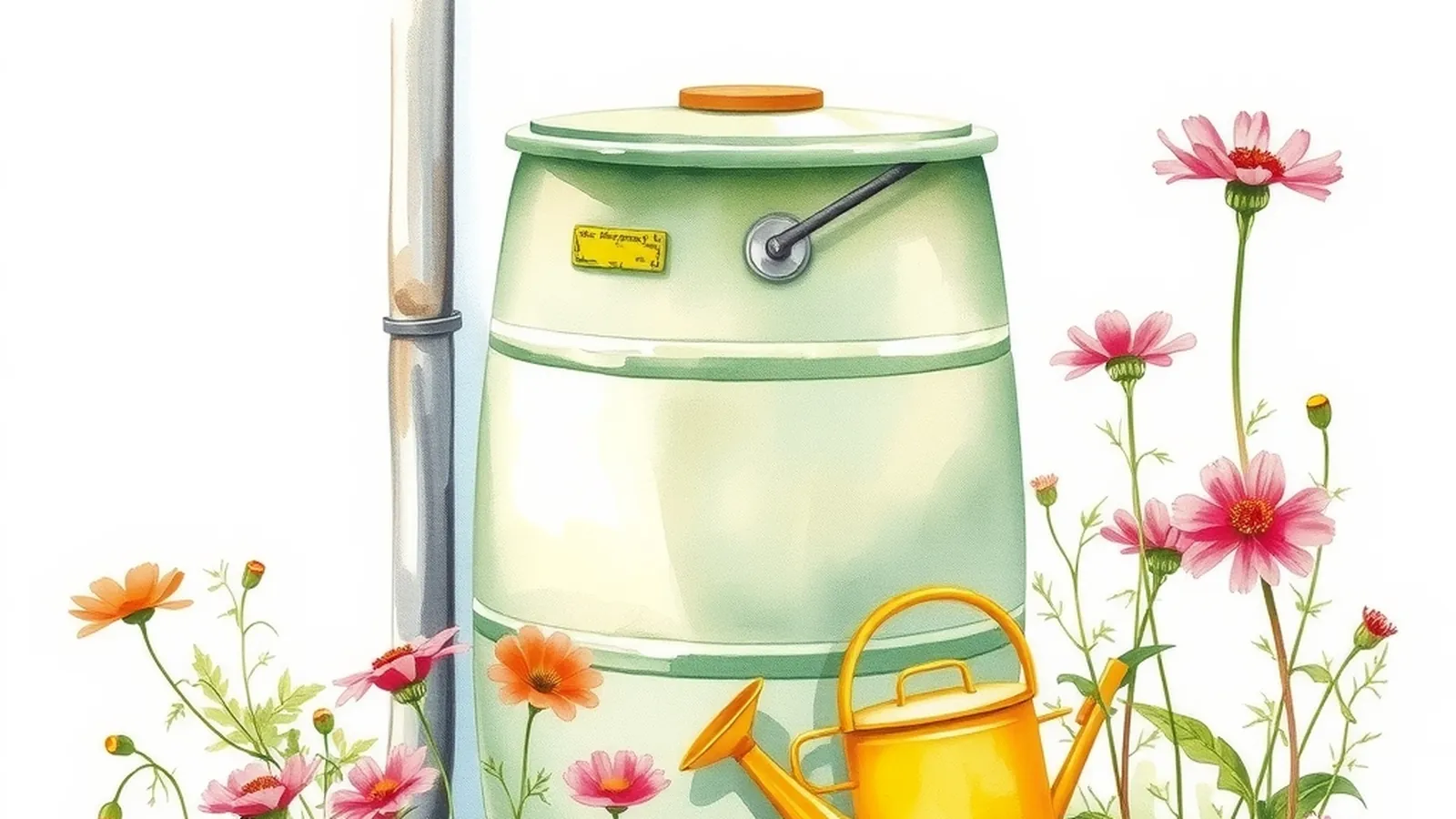
Rainwater harvesting for gardens usually means a rain barrel: a covered container under a downspout that catches runoff from your roof so you can water plants with it later. A good setup has a screened inlet, a tight lid, a spigot near the bottom, an overflow that sends extra water away from your house and a raised, level base. Before you buy one, check your state and local rules, and remember that rain barrel water is for plants, not for drinking.
A rain barrel is one of the easiest one-weekend projects in our Backyard Homestead section, and once it's set up it mostly asks for seasonal checks.
Step 1: Check the rules
Rainwater collection is allowed in many places, but state laws differ, and some cities and homeowner associations have their own rules. Some areas limit how much you can store or how you can use it, and some encourage barrels with programs or workshops. Look up your state's rules and ask your city, county or HOA. Your local Cooperative Extension office is a good place to ask, and some offer rain barrel workshops; our guide to free gardening and home help explains how to find yours.
Step 2: Understand what a rain barrel can and can't do
A rain barrel can:
- Give you a supply of water for gardens and potted plants between rains.
- Reduce some of the runoff from your roof.
- Put water close to where you need it.
It can't:
- Replace your household water supply.
- Water a large yard through a long dry spell on its own.
- Provide drinking water.
Rainwater is non-potable. As it runs over shingles and through gutters, it picks up dirt, bird and animal droppings, leaves and material from roofing. Don't drink it, cook with it or give it to pets. If you use it on edible plants, water the soil at the base rather than the leaves, and wash produce well before eating, as you would anyway. Some gardeners keep rain barrel water for ornamentals only; that's a reasonable choice too. Ask your Extension office for local advice if your roof is older or treated.
The parts of a good setup
| Part | What it does |
|---|---|
| Barrel | A sturdy, opaque, food-grade or purpose-made container with a lid |
| Inlet screen | Fine mesh where the downspout enters, keeping out debris and mosquitoes |
| Downspout diverter or cut | Directs roof water into the barrel |
| Spigot | Near the bottom, for filling a watering can or connecting a hose |
| Overflow | Sends extra water away from your foundation once the barrel is full |
| Base | A level, sturdy platform that raises the barrel for better flow |
Opaque barrels limit algae growth because they block light. Avoid containers that once held chemicals you can't identify.
Step-by-step setup
- Pick a downspout near your garden, on level ground.
- Build or buy a sturdy base. A full barrel is very heavy, so use solid, level blocks or a stand rated for the weight, never a wobbly stack.
- Set the barrel on the base and check that it's level and stable.
- Fit the downspout with a diverter, or shorten it so it ends just above the screened inlet, following the diverter's instructions.
- Attach the overflow and route it with a hose or extension well away from your house's foundation, toward a garden bed or a spot that drains well.
- Check every opening for screen, and seal the lid.
- Test it with a hose or the next rain, and watch where the overflow goes.
Wear gloves and safety glasses when cutting downspouts, and use a steady ladder with a helper for any gutter work. If your gutters need repair or your downspouts are high up, a gutter professional can help.
Keeping mosquitoes out
Standing water can become a mosquito breeding spot within days. To prevent that:
- Screen every opening with fine mesh, including the overflow if it's open.
- Keep the lid closed and sealed.
- Check screens after storms and replace any that tear.
- Use the water regularly so the barrel doesn't sit full for long stretches.
Bees, birds and other animals can drown in open water, which is another reason to keep everything covered. If you also keep bees, set out a separate shallow water dish with landing stones; see beekeeping for beginners for more on hive water.
Seasonal care
| Season | Task |
|---|---|
| Spring | Clean gutters, rinse the barrel, check screens and reconnect |
| Summer | Use water often; check screens after storms |
| Fall | Clear leaves from gutters and the inlet |
| Winter (cold climates) | Drain the barrel, open the spigot and disconnect it before freezing weather, or redirect the downspout |
Ice can crack barrels and damage spigots, so in places with freezing winters, draining is usually the safer choice.
Using the water well
Rain barrel water works best with gentle watering: a watering can, a soaker hose or drip line on low pressure. Group plants with similar water needs near the barrel. Our guide to drought-tolerant landscaping explains how mulch, grouping plants by water use and drip lines make every gallon go further.
Example (fictional): Jamie put a single barrel under the downspout nearest their vegetable bed. They routed the overflow into a mulched flower border and use the spigot to fill a watering can for their tomatoes and herbs. In winter they drain it and flip it upside down.
Rainwater for the rest of the homestead
A greenhouse or cold frame dries out fast on sunny days, so a barrel nearby can save a lot of trips with the hose. Our greenhouse basics guide covers watering and ventilation for small structures. And if you're saving seed from your best plants, consistent watering through the season helps those plants mature healthy seed; see how to save seeds.
Something to do this weekend
Walk around your house during or after a rain and watch which downspouts carry the most water. Pick one near your garden, check that the ground is level and sketch where the overflow would go. Then look up your state's rules on rainwater collection.
Want a step-by-step plan or guide?
Some people like the structure of a paid guide or set of plans. This button opens a third-party program from one of our advertising partners. Its claims are its own, not ours, so weigh them against our checklist for judging paid plans.
See the partner program →We may be paid when you click. The program shown can change. Read its terms before you buy anything. How this works
Frequently asked questions
Is it legal to collect rainwater?
In many places, yes, but rules vary by state and sometimes by city or homeowner association. Some places limit how much you can collect or how you can use it, so check your state and local rules before you set up a barrel.
Can I drink water from a rain barrel?
No. Rain barrel water picks up dirt, bird droppings and material from your roof and gutters, so treat it as non-potable. Use it for watering ornamental plants and gardens, and don't drink it or give it to pets.
How do I keep mosquitoes out of a rain barrel?
Cover every opening with fine mesh screen, keep the lid sealed and make sure the screen at the downspout inlet stays intact. Empty the barrel regularly by using the water, and check screens after storms.