How to Save Seeds
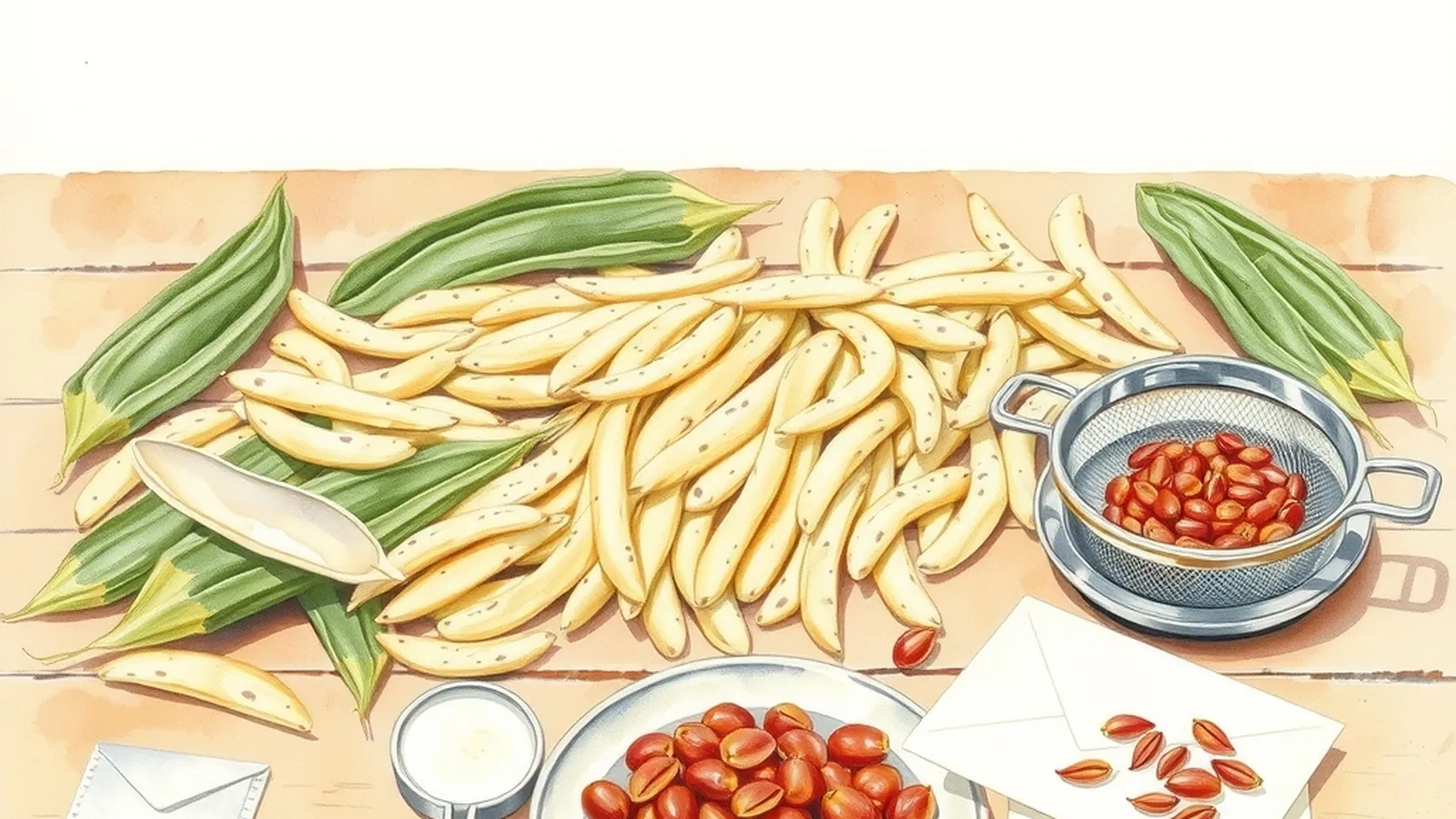
To save seeds, start with open-pollinated or heirloom varieties of easy, self-pollinating crops like beans, peas, lettuce or tomatoes. Let the healthiest plants fully mature their seed, collect it, dry it completely, then store it in labeled envelopes or containers somewhere cool, dark and dry. Seeds from hybrid plants often won't grow true, so check what you planted before you save.
Seed saving closes the loop on the projects in our Backyard Homestead section: the best plants of this year become the start of next year's garden.
Open-pollinated vs hybrid: why it matters
| Type | What it means | Will saved seed grow true? |
|---|---|---|
| Open-pollinated | Pollinated by insects, wind or the plant itself, without controlled crossing | Usually, if it doesn't cross with a different variety |
| Heirloom | An open-pollinated variety passed down over many years | Usually, with the same care |
| Hybrid (often marked F1) | A cross between two different parent lines | Often not; offspring can vary in size, flavor and vigor |
If you no longer have the seed packet, check the variety name online or with the seed company. When in doubt, save a small amount, grow it out and see what happens. That's part of the fun.
The easiest crops to start with
Some crops make seed saving simple because their flowers usually pollinate themselves before insects can bring in pollen from other varieties.
| Crop | Ease | How to collect |
|---|---|---|
| Beans | Very easy | Let pods dry brown on the plant, then shell |
| Peas | Very easy | Let pods dry on the vine, then shell |
| Lettuce | Easy | Let a plant bolt and flower; shake seed from fluffy heads |
| Tomatoes | Easy | Scoop seeds from ripe fruit, ferment briefly, rinse and dry |
| Peppers | Moderate | Collect from fully ripe fruit; varieties can cross, so space them apart |
| Squash, cucumbers, melons | Harder | Insects cross varieties easily; needs isolation or hand pollination |
| Corn | Harder | Wind carries pollen long distances |
| Cabbage family (kale, broccoli) | Harder | Cross easily and often take two seasons |
Beans and peas are the classic first crop. Our guide on how to grow beans and peas covers bush and pole types and trellising, which also keeps seed pods off damp soil while they dry.
Choosing parent plants
Save from your best plants, not just any plant. Look for:
- Strong, healthy growth without disease.
- The flavor, size or color you liked best.
- Plants that did well in your conditions, such as heat, drought or a short season.
- For lettuce and greens, plants that were slowest to bolt.
Mark your chosen plants with a tie or stake so no one harvests them by mistake. Saving from several plants, not just one, helps keep a variety vigorous.
Step by step: saving bean seeds
- Pick a few healthy plants and stop harvesting their pods for eating.
- Let the pods dry on the plant until they're brown, papery and rattle when shaken.
- Bring them in before heavy rain or frost if needed, and finish drying indoors on a screen.
- Shell the beans and spread them in a single layer for another week or two.
- Test dryness. Fully dry beans are hard and shatter rather than dent when you hit one with a hammer on a cutting board.
- Store them in a labeled envelope or jar.
Step by step: saving tomato seeds
Tomato seeds sit in a gel coating that's easiest to remove by fermenting.
- Choose a fully ripe fruit from an open-pollinated plant.
- Scoop the seeds and pulp into a small cup with a little water.
- Leave it on the counter for a few days, stirring daily, until a film forms on top. It will smell, so keep it somewhere ventilated.
- Pour off the film and floating seeds, then rinse the good seeds that sank in a fine strainer.
- Spread them on a plate or screen to dry completely, stirring now and then so they don't clump.
- Store once they're fully dry and separate easily.
Drying and storing
Moisture and heat are the biggest threats to saved seed.
- Dry seeds thoroughly before storing. Damp seeds can mold or sprout early.
- Use paper envelopes for short-term storage, or airtight jars for longer storage once seeds are fully dry.
- Store them somewhere cool, dark and dry, away from the stove and sunny windows.
- Keep them where rodents can't reach.
Rodents love seeds as much as chickens do. If you keep a flock, store seeds well away from the feed bin, and use sealed metal containers for both. Our guide to what a chicken coop needs explains how a raised, solid coop also helps keep rodents out.
Keep simple records
For each seed lot, write down:
- The crop and variety name.
- The year you saved it.
- Any notes on the parent plants, such as "earliest ripening" or "best flavor."
Seeds don't last forever. Germination slowly drops with age, and some crops' seeds stay viable longer than others. Before planting older seed, do a quick germination test: roll a few seeds in a damp paper towel, keep it warm in a bag and count how many sprout.
Example (fictional): Quinn grows an heirloom pole bean their grandmother loved. Each summer they mark three of the strongest plants, let the pods dry on the trellis and store the shelled beans in a jar with the year written on masking tape.
Protecting seed crops
Chickens love seed heads and drying pods. If you keep birds, fence off or cover the plants you're saving seed from; our guide to raising backyard chickens covers runs and daily routines that keep birds where you want them. Starting your saved seed early in a cold frame gives it a protected start; see greenhouse basics.
Sharing seeds
Many communities have seed libraries, often based in public libraries, where you can borrow seed and return some from your harvest. Our guide to free gardening and home help explains how to find seed libraries, community gardens and your local Extension office.
Something to do this weekend
Check what you're growing right now and circle any open-pollinated beans, peas, lettuce or tomatoes. Pick one or two of the healthiest plants, mark them with a tie and stop harvesting from them so their seed can mature.
Want a step-by-step plan or guide?
Some people like the structure of a paid guide or set of plans. This button opens a third-party program from one of our advertising partners. Its claims are its own, not ours, so weigh them against our checklist for judging paid plans.
See the partner program →We may be paid when you click. The program shown can change. Read its terms before you buy anything. How this works
Frequently asked questions
Can I save seeds from hybrid plants?
You can, but the plants that grow from them often won't match the parent. Hybrid seeds come from crossing two different parent lines, so their offspring can vary. For seeds that grow true to type, save from open-pollinated or heirloom varieties.
What are the easiest seeds to save?
Beans, peas, lettuce and tomatoes are good beginner crops, because their flowers usually pollinate themselves and their seeds are easy to collect. Squash, corn and many brassicas cross more easily and are harder to keep true.
How should I store saved seeds?
Make sure seeds are completely dry, then store them in labeled paper envelopes or airtight containers somewhere cool, dark and dry. Keep them away from humidity, heat and rodents.