Greenhouse for Beginners
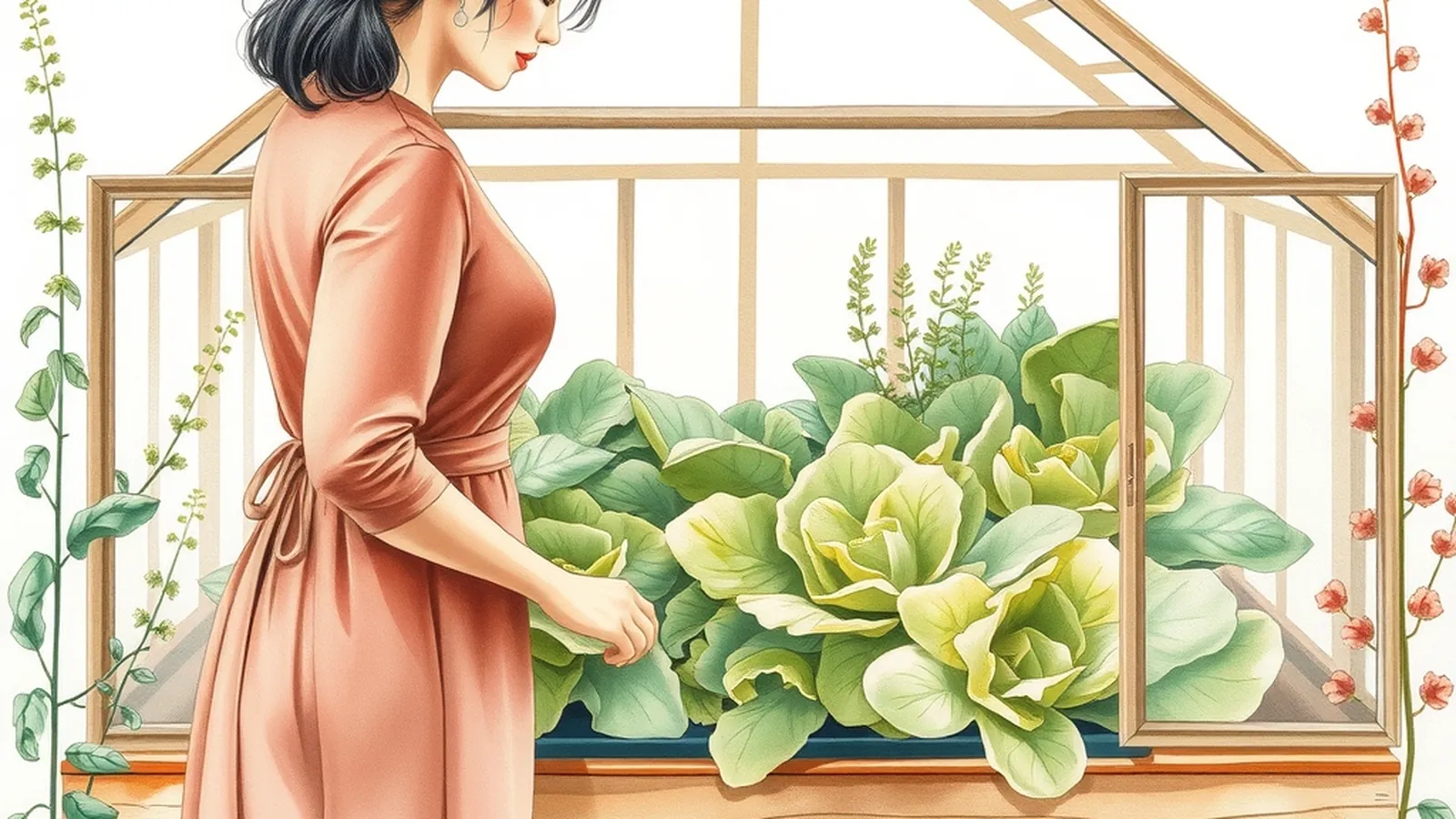
A greenhouse for beginners doesn't have to be a glass building. The simplest options are a cold frame, a low box with a clear lid, or a hoop house, plastic sheeting stretched over curved supports. Both trap the sun's warmth so you can start seedlings earlier, grow cool-season greens later into fall and protect tender plants from frost. The skill that matters most is ventilation: on sunny days, even in winter, an unvented structure can get hot enough to damage plants.
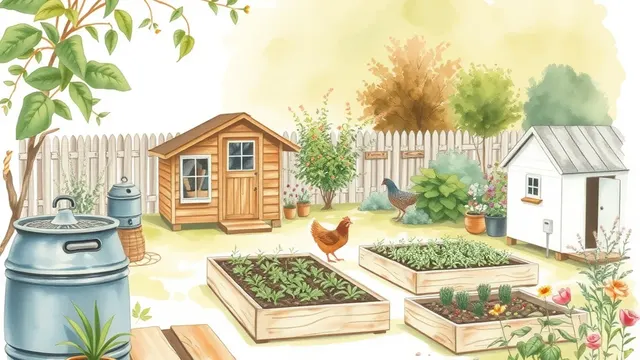
Season extension is one of the most useful growing projects in our Backyard Homestead section, because it stretches the harvest from a small space.
Three types compared
| Structure | What it is | Best for | Effort and space |
|---|---|---|---|
| Cold frame | A bottomless box with a clear, hinged lid over soil | Hardening off seedlings, winter greens, early spring sowing | Small; a weekend to build |
| Low tunnel or hoop house | Clear plastic over hoops, from knee-high rows to walk-in houses | Extending the season for whole beds | Small to large; varies |
| Small greenhouse | A framed structure with clear panels and a door | Starting many seedlings, growing in pots, overwintering plants | Larger; more planning |
Start small. A cold frame lets you learn how your yard's sun, wind and temperature swings behave before you spend more on a bigger structure.
Choosing a spot
- Sun: put it where it gets as much winter sun as possible. In much of the US, a south-facing spot works well.
- Shelter: a fence, wall or hedge on the windy side helps keep heat in and covers on.
- Drainage: pick ground that doesn't puddle.
- Access: you'll visit often, so keep it close to the house and near a water source.
A rain barrel nearby saves trips with a hose. Our guide to rainwater harvesting for gardens explains setup, mosquito screens and why barrel water is for plants only.
Ventilation: the number one skill
Clear covers let sunlight in and trap the heat. On a bright day, the air inside can get much hotter than outside, even when it's cold. Overheating can wilt or scorch plants within hours.
To manage it:
- Put a thermometer inside, at plant height, out of direct sun.
- Open vents, doors or lids on sunny mornings, even on cool days.
- Close them in the afternoon before the temperature drops, to hold warmth overnight.
- Consider an automatic vent opener for cold frames or greenhouses if you're away during the day. These open as the air warms.
- Watch humidity too. Damp, still air invites mold and plant diseases, so airflow matters even on cloudy days.
Heat: when and how
Many gardeners never heat their structures. An unheated cold frame or hoop house can carry hardy greens, like spinach, kale and lettuce, well past the first frost in many climates, and give you a head start in spring.
If you want to grow warm-season plants in winter, you'll likely need heat. Some low-tech ways to hold warmth:
- Dark containers of water placed inside absorb heat by day and release it at night.
- An extra layer of row cover over plants on cold nights.
- Snug, sealed edges to block drafts.
For electric heaters or lighting in a greenhouse, use equipment rated for damp outdoor locations and follow the manufacturer's instructions. Any new outdoor wiring or outlets should be done by a licensed electrician, and you may need a permit, so check local rules. Never run indoor extension cords across wet ground.
Fuel-burning heaters can produce dangerous gases in an enclosed space. If you're considering one, follow the label exactly and talk to a professional about ventilation.
What to grow through the year
Timing depends on your zone and your frost dates, so adjust with advice from your local Cooperative Extension office.
| Season | What a cold frame or hoop house can do |
|---|---|
| Late winter | Start cool-season seeds like lettuce and spinach in the soil |
| Spring | Harden off seedlings started indoors before they go into the garden |
| Summer | Open fully or remove covers; use shade cloth for tender starts |
| Fall | Sow or transplant greens to harvest into the cold months |
| Winter | Hold hardy greens, herbs or overwintering plants |
If you start seeds indoors, our guide on how to start seeds indoors covers timing from frost dates, light and the hardening-off process that a cold frame makes easier.
Watering under cover
Rain doesn't reach plants inside, so you'll water by hand or with drip lines. Check the soil with a finger: water when the top inch feels dry. Water in the morning so leaves dry out before evening, which lowers disease risk. In winter, plants grow slowly and need much less.
Building a simple cold frame
A cold frame can be as simple as four boards in a box, with the back taller than the front so the lid slopes toward the sun, and an old window or clear panel on top.
- Check old windows for lead paint before you use them; homes and windows from before 1978 may have it. Our guide to painting a room explains testing before you sand or scrape.
- Wear safety glasses and gloves when cutting or handling panels.
- Add a prop stick or hinges so you can open the lid partway.
Example (fictional): Dakota built a cold frame from scrap boards and a clear polycarbonate panel against the south wall of their garage. They sow lettuce in it each fall and use it in spring to harden off tomato and pepper starts.
Fitting it into a bigger homestead
A cold frame is also a handy place to grow the next generation from seed you saved yourself. Our guide on how to save seeds explains which crops are easiest and how to store seed until planting. If you keep chickens, keep them out of cold frames and hoop houses, where they'll scratch up seedlings and eat greens; raising backyard chickens covers fencing and daily routines.
Something to do this weekend
Find the sunniest spot in your yard in late afternoon, when winter shadows are longest, and measure a space about the size of a door lying flat. That's a good footprint for a first cold frame. Then look up your average first frost date so you can plan your first fall planting.
Want a step-by-step plan or guide?
Some people like the structure of a paid guide or set of plans. This button opens a third-party program from one of our advertising partners. Its claims are its own, not ours, so weigh them against our checklist for judging paid plans.
See the partner program →We may be paid when you click. The program shown can change. Read its terms before you buy anything. How this works
Frequently asked questions
What is the easiest greenhouse for a beginner?
A cold frame is the simplest place to start. It's a low, bottomless box with a clear lid that sits over a bed, and it teaches you how sun, heat and ventilation behave before you invest in a bigger structure.
Do I need to heat a small greenhouse?
Not always. Many gardeners use unheated cold frames and hoop houses to extend the season for cool-weather crops. Whether you need heat depends on your climate and what you want to grow in winter.
Why do greenhouse plants overheat?
Clear covers trap the sun's heat, and on bright days the inside can get much hotter than the outside air, even in cool weather. Open vents, doors or lids on sunny days and check temperatures with a thermometer.