Raising Backyard Chickens for Beginners
Raising backyard chickens starts with three checks: whether your town allows them, whether you have room for a secure coop and run, and whether you can care for them every day of the year. If all three are yes, a small flock of hens can give you eggs, garden help and a lot of entertainment. Before anything else, learn the hygiene basics, because healthy-looking chickens can still carry germs.
Chickens are the biggest commitment in our Backyard Homestead section, so it's worth reading this whole page before you visit a feed store.
Step 1: Check the rules where you live
Rules on backyard poultry vary a lot from place to place. Before you buy chicks, find out:
- Whether your city or county allows chickens at all, and how many.
- Whether roosters are banned (they often are, because of crowing).
- How far a coop must sit from property lines or neighbors' homes.
- Whether you need a permit or registration.
- Whether your lease or homeowner association has its own rules.
Call your city or county planning office, or search their code online. Your local Cooperative Extension office can often point you to the right department. Talk to your closest neighbors too. A heads-up and the occasional carton of eggs go a long way.
Step 2: Make sure you have the space
Chickens need a coop to sleep and lay in, plus a run or yard where they can scratch, dust-bathe and get sun. A crowded flock tends to be a stressed, messy and quarrelsome one, so plan for more room than the bare minimum a coop plan lists.
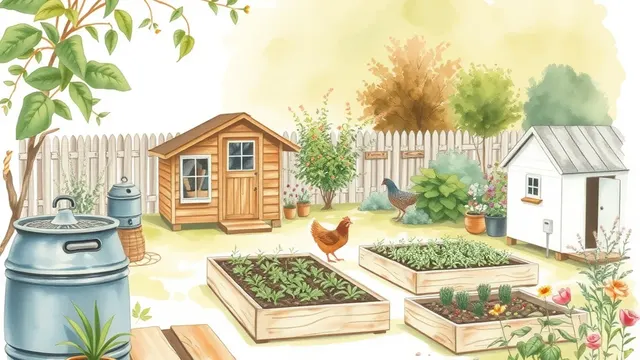
Think about where the coop will go in relation to your house, garden and neighbors. Our guide to small backyard ideas helps you divide a little yard into zones, so the run, a vegetable bed and a place to sit can all fit without crowding each other.
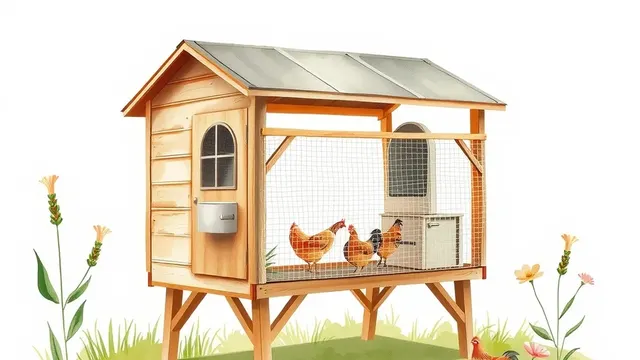
When you're ready to choose or build housing, what a chicken coop needs covers roosts, nest boxes, airflow and keeping predators out, which is where most beginner losses happen.
Step 3: Choose your birds
A few things to consider when you pick breeds:
| Consider | Why it matters |
|---|---|
| Climate | Some breeds handle cold winters better; others cope better with heat |
| Temperament | Calmer breeds are easier for beginners to handle |
| Purpose | Some are kept mainly for eggs, others for a mix of eggs and friendliness |
| Starting age | Chicks need a heated brooder indoors at first; older pullets skip that stage |
Chickens are social, so plan on a small flock rather than a single bird. Buy from a reputable hatchery or local breeder, and ask your Extension office or a local poultry club which breeds do well in your zone.
Daily and weekly care
Here's a simple routine to adapt:
Every morning
- Let the birds out of the coop into a secure run.
- Check that water is clean and full and that feed is available.
- Look at each bird. Watch for one that's hunched, isolated or not eating.
Every evening
- Collect eggs.
- Make sure every bird is inside.
- Close and latch the coop against predators.
Every week
- Remove soiled bedding and add fresh.
- Scrub waterers and feeders.
- Check fencing, latches and the roof for damage.
Feed a complete commercial feed made for your birds' age and stage, and offer kitchen scraps only as small treats. Avoid moldy food and anything salty or spoiled. When a bird seems sick, a veterinarian who treats poultry is the best call; your Extension office may also know of local poultry health resources.
Example (fictional): Jordan, a nurse who works three long shifts a week, set up an automatic door that opens at dawn and closes at dusk, plus a large waterer. A neighbor trades evening egg checks for a share of the eggs. Jordan still does a full walk-through every day they're home and on every weekend.
Chickens and germs: what the CDC says
This is the part many new chicken keepers skip, and it matters most. The CDC warns that backyard chickens and ducks can carry Salmonella germs even when they look healthy and clean. Those germs can spread to people who touch the birds, their eggs, or anything in the area where they live and roam, like the coop, feeders and the soil of the run.
The CDC's advice comes down to a few habits:
- Wash your hands with soap and water right after touching birds, eggs, equipment or anything in their area. Keep hand sanitizer by the coop for times you can't get to a sink, then wash properly when you're inside.
- Don't kiss or snuggle the birds, and don't touch your mouth or eat or drink around them.
- Keep chickens out of the house, especially kitchens and places where food is prepared or eaten.
- Supervise children around poultry, and keep them from putting hands or objects in their mouths. The CDC says children under 5 shouldn't touch backyard poultry at all.
- Keep coop gear outside. Clean feeders and waterers outdoors, not in the kitchen sink, and keep a pair of shoes just for the coop.
Collect eggs often, throw away cracked ones and refrigerate eggs after collecting. Cook eggs until the yolks and whites are firm. If you or someone in your home gets sick after contact with the flock, call your doctor and mention the chickens.
Planning for the long term
Hens lay fewer eggs as they age, but they can live for years after that. Decide before you start what you'll do with older birds, and make a plan for vacations: who will feed, water and lock up the flock while you're gone?
Chickens also connect to the rest of a homestead. Their manure can go into a compost pile to age before it ever touches garden beds, and they'll happily clean up spent garden plants in fall. If you're saving seed from your best crops, keep chickens away from plants you're letting go to seed, because they'll eat them; our guide to how to save seeds covers which crops to start with. And on days the garden and the nest boxes both overflow, ways to preserve vegetables helps you decide what to freeze, can or dry.
Something to do this weekend
Look up your city or county's rules on backyard poultry and write down the limit on birds, any rooster ban and the required setback from property lines. Then mark the spot in your yard that meets those rules, gets some shade and is easy to reach on a rainy morning.
Want a step-by-step plan or guide?
Some people like the structure of a paid guide or set of plans. This button opens a third-party program from one of our advertising partners. Its claims are its own, not ours, so weigh them against our checklist for judging paid plans.
See the partner program →We may be paid when you click. The program shown can change. Read its terms before you buy anything. How this works
Frequently asked questions
Do I need a rooster to get eggs?
No. Hens lay eggs without a rooster; you only need one if you want fertilized eggs for hatching chicks. Many towns that allow hens don't allow roosters because of noise, so check your local rules.
Can backyard chickens make you sick?
Yes, they can. The CDC warns that backyard poultry can carry Salmonella even when they look healthy and clean, so wash your hands after touching birds, eggs or anything in their area, and keep the birds out of your house.
How much time do backyard chickens take each day?
Expect short visits every morning and evening for food, water, egg collection and locking the coop, plus a longer weekly cleaning. Chickens need that care every day of the year, so plan for vacations and sick days.