Small Backyard Ideas
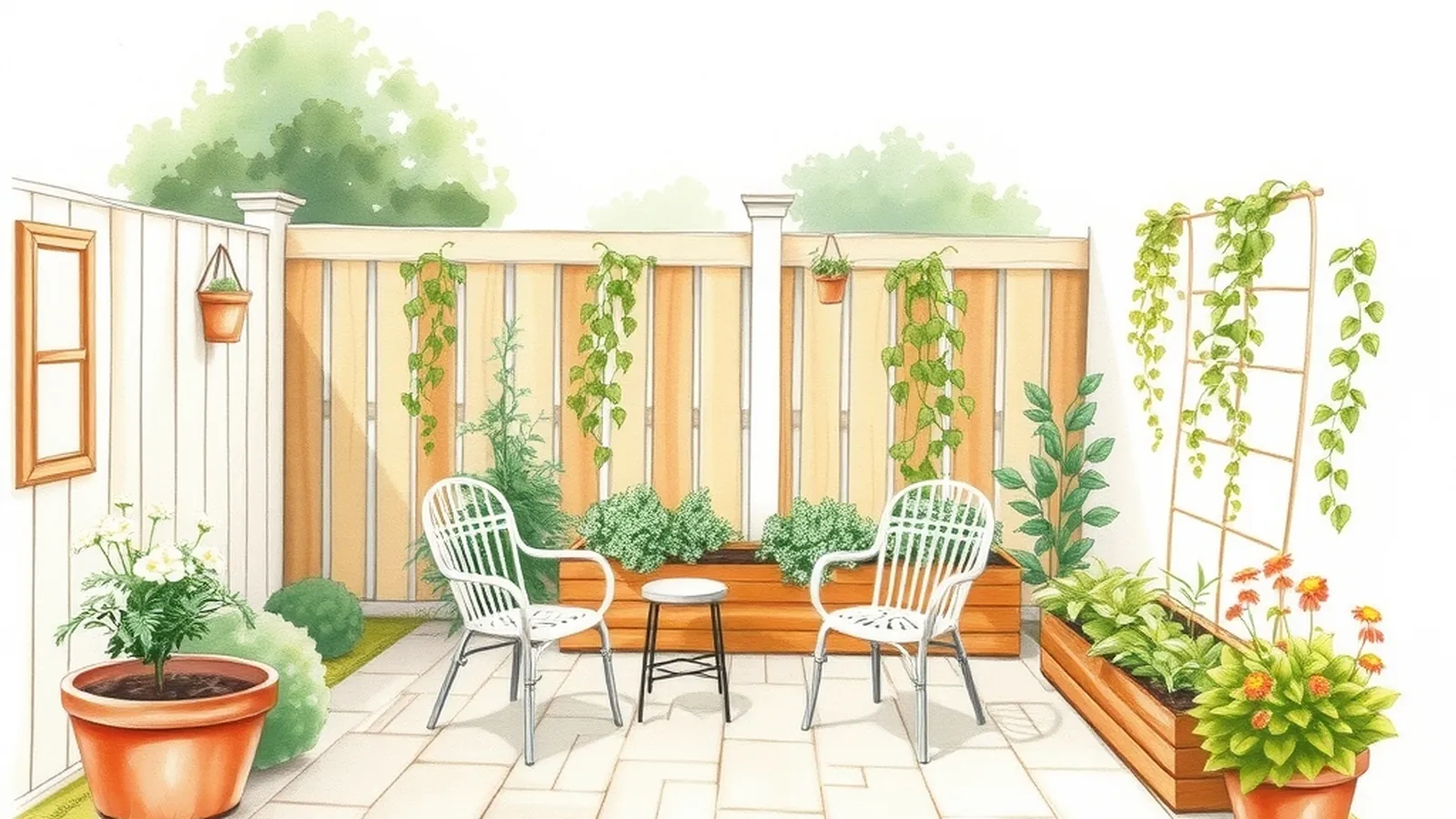
The best small backyard ideas start by splitting the space into a few zones (somewhere to sit, somewhere to grow, somewhere to store tools) and then using edges, walls and vertical space so the middle stays open. Add one comfortable seat, an edible border and a privacy screen, and even a tiny yard starts to feel like a room you want to spend time in.
A small yard is a lot to plan at once, so this guide breaks it into steps. It builds on ideas from across our Small Spaces section, from containers to raised beds.
Step 1: Map what you have
Before you move anything, sketch your yard on paper. Include:
- The outline of the yard and any fixed things: fences, steps, sheds, trees, utility boxes and the AC unit
- Where water and outdoor outlets are
- Where sun falls in the morning, midday and afternoon
- Doors and the paths you actually walk
- Views you'd like to block and views you'd like to keep
If you might dig post holes, edging trenches or new beds, call 811 first so utility lines can be marked. Our guide to planting trees and shrubs explains the service.
Step 2: Divide it into zones
Even a very small yard usually has room for three zones. Here's a way to think about them:
| Zone | What goes here | Best location |
|---|---|---|
| Sitting | A bench, two chairs or a small bistro set | Near the back door, or in a corner with a nice view |
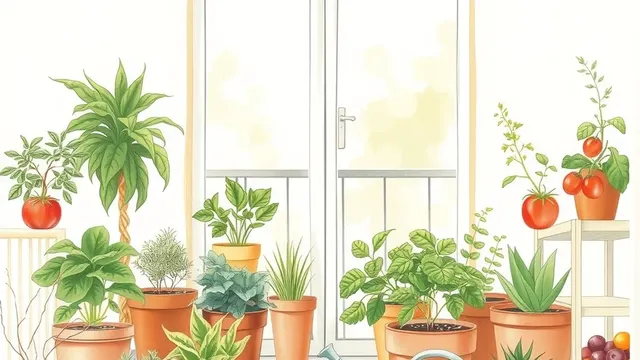
| Growing | Raised beds, pots, an edible border | The sunniest strip, close to water |
| Working | Compost, tool storage, trash and recycling | A shady side or behind a screen |
Keep the center open if you can. A clear middle makes a yard feel bigger and leaves space for a pet to run or a party to spill out.
Step 3: Pick seating that fits
Seating is what turns a yard into a place you use. Measure before you buy, and leave room to pull a chair out and walk around it.
- Built-in benches along a fence save space, and some have storage under the seat.
- Folding bistro sets tuck away when you need the room.
- A wide raised bed with a cap board doubles as a bench.
- A flat patch of gravel or pavers can be enough to define a seating spot.
Step 4: Plant edible borders
Instead of a separate vegetable plot, run edibles along the edges where they get sun:
- Herbs like thyme, oregano and chives along a path edge
- Swiss chard, kale and lettuce mixed with flowers in a front border
- Strawberries as a low edging plant
- Bush beans and peppers in the sunniest stretch
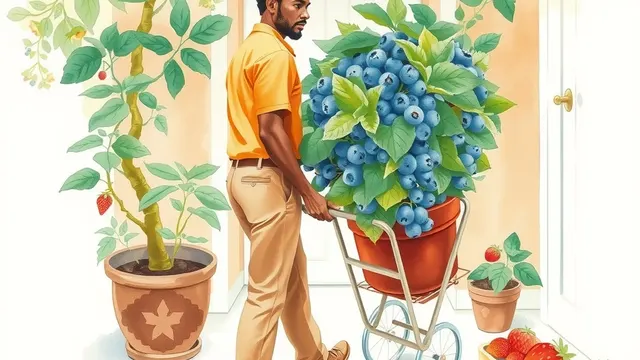
- Pots of dwarf fruit trees or blueberries as focal points
Mix in flowers that bloom at different times to bring in pollinators and keep the border colorful. Our guide on how to make a pollinator garden covers blooms through the seasons, water and shelter for helpful insects.
Step 5: Add privacy
A little screening makes a small yard feel calmer. Options from quickest to most permanent:
- Tall potted plants such as ornamental grasses or bamboo-like clumping grasses in containers.
- A freestanding slatted screen you can move.
- A trellis panel with a climbing vine, such as pole beans, cucumbers or a flowering vine.
- A hedge of shrubs, which takes longer but lasts.
- A new or taller fence, which usually involves local or HOA rules.
Check local rules and any HOA requirements on height and placement before you build. If you rent, get your landlord's permission for anything attached or dug in.
Step 6: Light and water
String lights or solar path lights make a yard usable in the evening. Plug-in lighting should use outdoor-rated cords and outlets. If you need a new outdoor outlet or wired lighting, hire a licensed electrician and check permit rules.
For watering, a hose reel near the growing zone helps. A soaker hose along an edible border can save time on busy weeks.
A sample layout
Example (fictional): Casey has a small, fenced backyard that gets sun along the back fence and shade near the house. Their plan:
- Sitting: two chairs and a small table on pavers just outside the back door, in the afternoon shade.
- Growing: a 2-by-8-foot raised bed against the sunny back fence, with a trellis for cucumbers, plus herb pots along its front edge.
- Privacy: a slatted screen at the side where a neighbor's window looks in, with a flowering vine planted at its base.
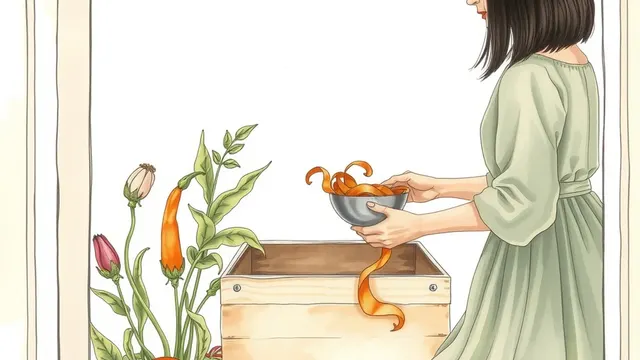
- Working: a compost bin and tool box tucked in the shady corner by the side gate.
Casey built the paver patio and bed the first spring, then added the screen in fall.
Build it in stages
You don't need to do everything at once. A sensible order:
- Clear and sketch the yard.
- Set up the sitting zone so you enjoy the space right away.
- Build or place the growing zone.
- Add privacy and lighting.
- Fill in with flowers, pots and finishing touches.
Small yard mistakes to avoid
- Too many small pots scattered around. They look busy and are harder to water. Group them or choose fewer, larger ones.
- Putting the vegetable bed in the shade because that's where there was room.
- Furniture that's too big for the space, leaving no room to walk.
- Forgetting storage, so tools and hoses end up across the patio.
- Planting trees too close to fences or the house. Check the mature width on the tag first.
Where to go next
- Tuck a worm bin or sealed bucket into your working zone with apartment composting, which works just as well in a small yard as in a kitchen.
- If part of your yard has poor soil or is paved, hydroponics basics explains soil-free setups that sit on a table.
- Make fruit a focal point with fruit in containers, placing a potted blueberry or dwarf tree where the eye lands.
Something to do this weekend
Sketch your yard on a sheet of paper and mark sun, shade, doors and water. Draw three circles for sitting, growing and working, and move them around until the layout feels right. Then pick one zone to start on.
Want a step-by-step plan or guide?
Some people like the structure of a paid guide or set of plans. This button opens a third-party program from one of our advertising partners. Its claims are its own, not ours, so weigh them against our checklist for judging paid plans.
See the partner program →We may be paid when you click. The program shown can change. Read its terms before you buy anything. How this works
Frequently asked questions
How do I make a small backyard feel bigger?
Keep the center open, use a few large elements instead of many small ones, and repeat the same plants or colors in several spots. Pulling the eye to a far corner with a bench or a pot also makes the space read as deeper.
Can I grow vegetables in a small backyard and still have room to relax?
Yes. Put edibles around the edges in borders, raised beds or pots, and keep a central patch for seating. Many herbs and vegetables look good enough to sit right next to a patio.
What is a quick privacy screen for a small yard?
A trellis panel with a climbing vine, a row of tall potted grasses or a freestanding slatted screen can block views fairly quickly. Check HOA or local rules on height and placement before building anything permanent.