Fruit Trees and Berries in Pots
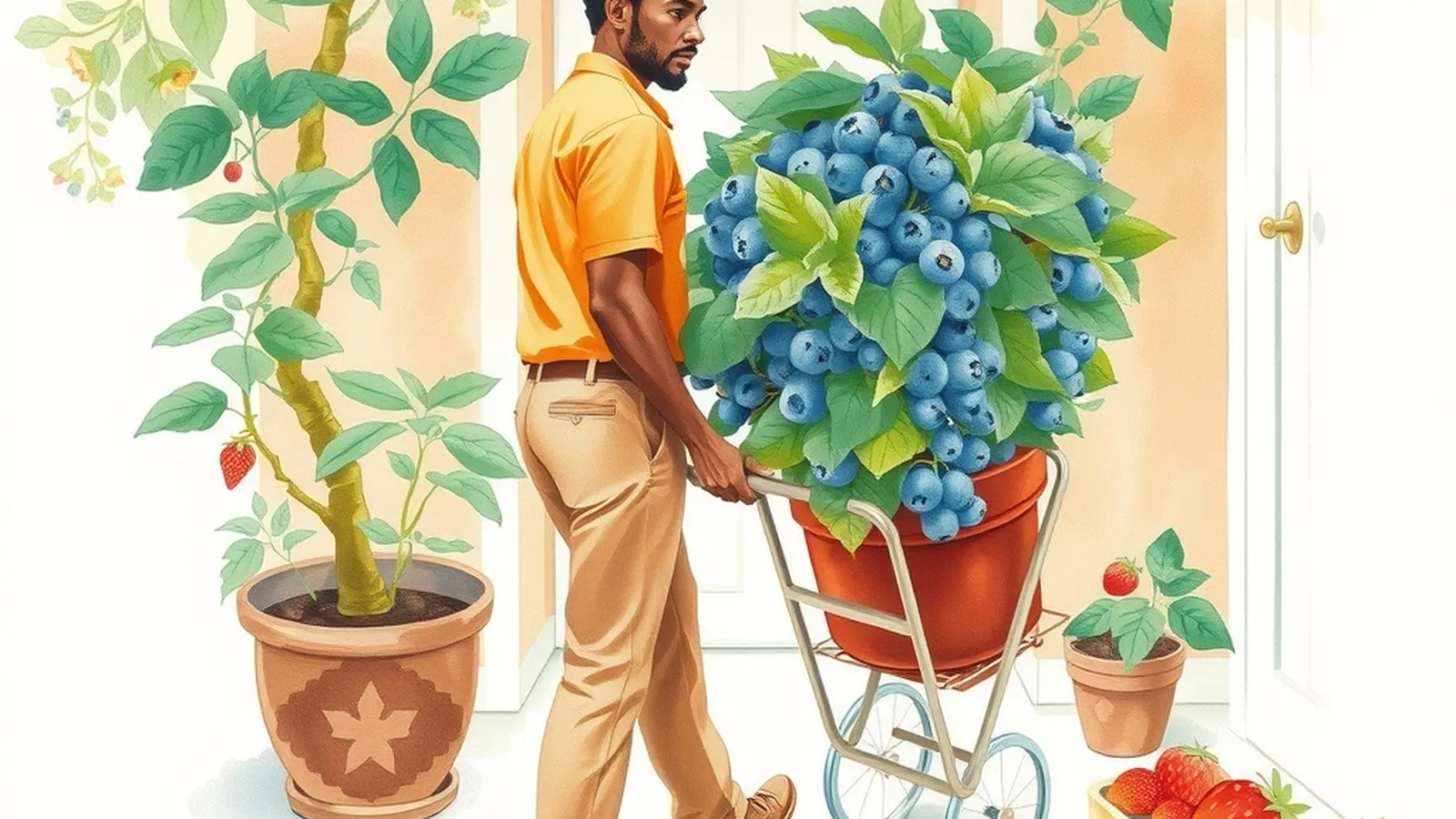
You can grow fruit in pots by choosing naturally compact or dwarf plants, giving them large containers with good drainage, matching the soil to the plant (acidic mix for blueberries, for example) and protecting the roots when winter comes. Strawberries are the easiest place to start; blueberries and dwarf fruit trees take a bit more planning but suit patios and balconies well.
Growing fruit is a longer-term project than greens or herbs, and it rewards patience. It's one of the more ambitious topics in our Small Spaces section, so here's what to know before you buy.
Good fruit for containers
| Fruit | Container | Sun | Notes |
|---|---|---|---|
| Strawberries | Wide pot, window box or hanging basket | Full sun to part sun | Quick to settle in; replace plants every few years |
| Blueberries | Large pot, 15 gallons or more over time | Full sun | Need acidic mix; some types fruit better with a second variety |
| Dwarf citrus | Large pot | Full sun | Cold tender; many US gardeners bring it indoors in winter |
| Dwarf apple or pear | Large pot or half barrel | Full sun | Often need a pollination partner; check the tag |
| Figs | Large pot | Full sun | Some types handle pots well; protect from hard freezes |
| Raspberries (compact types) | Large, wide pot | Full sun | Look for types sold for containers |
Look for plants labeled dwarf, patio or compact. A full-size fruit tree will outgrow a pot quickly.
Choosing a container
Fruit plants live for years, so the pot matters.
- Size. Start a young tree or bush in a pot a little larger than its nursery container, then move up as it grows. Mature dwarf trees often end up in containers the size of a half barrel.
- Drainage. Several holes are better than one. Set pots on feet so water can escape.
- Weight. Large pots of wet soil are very heavy. Put them on a plant caddy with wheels before filling if you'll want to move them. On balconies, ask building management about weight first.
- Material. Thick plastic, glazed ceramic, wood and fabric all work. Thin pots let roots heat up in summer and freeze in winter.
Blueberries and acidic soil
Blueberries are different from most container plants: they need acidic soil to take up nutrients well. That's one reason they're easier in a pot than in the ground for many gardeners, since you control the mix.
- Use a potting mix sold for acid-loving plants, or blend one based on your nursery's advice.
- Water with rainwater if you can collect it, since some tap water can raise soil pH over time.
- Feed with a fertilizer made for acid-loving plants, following the label.
- Yellowing leaves with green veins can be a sign the soil isn't acidic enough.
If you'd like to know your mix's pH, our guide on how to test garden soil explains what a test can tell you.
Strawberries step by step
- Fill a wide pot or window box with potting mix, leaving an inch at the top.
- Plant so the crown (where leaves meet roots) sits right at soil level. Too deep and it can rot; too high and it dries out.
- Space plants so leaves just touch when full grown.
- Water when the top inch is dry, and keep fruit off wet soil with a thin layer of straw.
- Snip runners if you want bigger plants, or pot them up for new ones.
Planting a dwarf tree
- Choose a pot slightly bigger than the root ball.
- Gently loosen circling roots.
- Set the tree so the top of the root ball sits at the same level it was in the nursery pot, with the graft (a knobby spot on the lower trunk) above the soil.
- Fill with potting mix and water well.
- Stake it if it's tall or your spot is windy.
The planting basics overlap with in-ground trees. For hole width, the root flare and first-year watering in the yard, see our guide on how to plant a tree.
Watering and feeding through the season
Fruit in pots needs steady moisture, especially while flowering and fruiting. Check soil every day or two in summer. Feed with a fertilizer suited to the plant during the growing season and stop toward late summer so new growth can harden before cold weather. Always follow the product label.
Winter care
Roots in a container sit above ground, so they're exposed to cold from all sides. A plant that's hardy in the ground in your zone may struggle in a pot. Our guide to planting zones explains what your USDA zone tells you and what it doesn't.
Options for winter, depending on your climate:
- Move pots against a house wall, out of wind.
- Group pots together and wrap them with burlap or bubble insulation.
- Move hardy plants to an unheated garage or shed once they're dormant, and water lightly now and then.
- Bring cold-tender plants like citrus indoors to a bright window.
Your state's Cooperative Extension office can recommend winter care and fruit varieties for your area. Our page on free gardening and home help explains how to reach them.
Example: a patio fruit corner
Example (fictional): Dana has a sunny townhouse patio. They started with a wide pot of strawberries and two blueberry bushes of different varieties in large pots of acidic mix, all on wheeled caddies. In late fall, Dana rolled the blueberries against the house wall, wrapped the pots in burlap, and moved the strawberries into an unheated shed. In spring, everything rolled back into the sun.
Pets and fruit plants
Some fruit plants and their leaves, pits or seeds can be harmful to pets. Before placing pots where dogs or cats spend time, check the ASPCA's toxic and non-toxic plant lists, explained in our guide to pet safe houseplants.
Where to go next
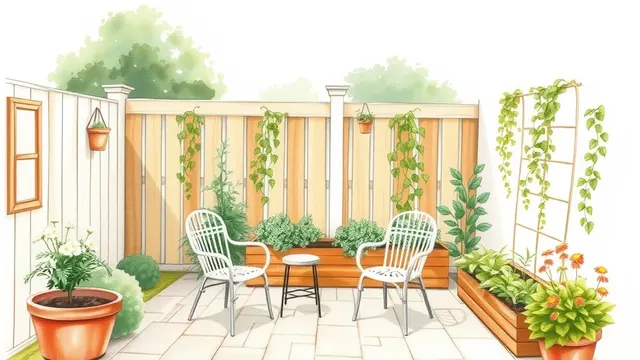
- Fruit pots can anchor a whole layout; small yard design shows how to blend edibles with seating and screening.
- Feed fruit plants with homemade compost from apartment composting, mixed into the top of the pot each spring.
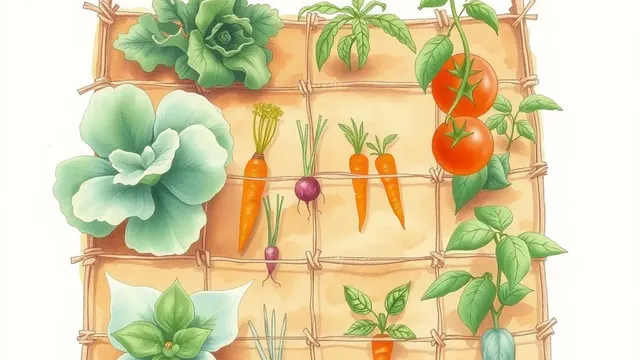
- Have a bed too? Square foot gardening gives strawberries a neat square or two of their own.
Something to do this weekend
Pick one fruit from the table that fits your sun. Measure where its pot would go and check whether you'll need a wheeled caddy. If you're choosing a blueberry or fruit tree, write down whether it needs a pollination partner before you shop.
Want a step-by-step plan or guide?
Some people like the structure of a paid guide or set of plans. This button opens a third-party program from one of our advertising partners. Its claims are its own, not ours, so weigh them against our checklist for judging paid plans.
See the partner program →We may be paid when you click. The program shown can change. Read its terms before you buy anything. How this works
Frequently asked questions
What is the easiest fruit to grow in a pot?
Strawberries are usually the easiest place to start. They stay small, fit in wide pots or hanging baskets and often fruit in their first or second season. Blueberries are a good next step if you can give them acidic potting mix.
Do fruit trees in pots need a second tree for pollination?
Some fruit trees need a different variety nearby to set fruit, while others are self-fertile. Check the plant tag or ask the nursery before you buy, especially if you only have room for one tree.
Can I leave potted fruit trees outside in winter?
It depends on your climate and the plant. Roots in a pot are more exposed to cold than roots in the ground, so many gardeners move pots to a sheltered spot, an unheated garage or a cold porch, or wrap them for insulation. Your local Extension office can advise for your area.