Pests and Plant Problems
When a plant wilts, yellows or gets chewed, the fix starts with a good look, not a spray bottle. Most garden trouble falls into a few groups: insects and other critters, diseases, weeds, and stress from water, light or weather. Once you know which group you're dealing with, the gentlest fix that works is usually easy to find.
The guides in this section walk you through spotting the problem, confirming it, and choosing a response in a sensible order. Gardens differ across the country, and so do their pests, so we'll also point you to local help when a problem is new to you.
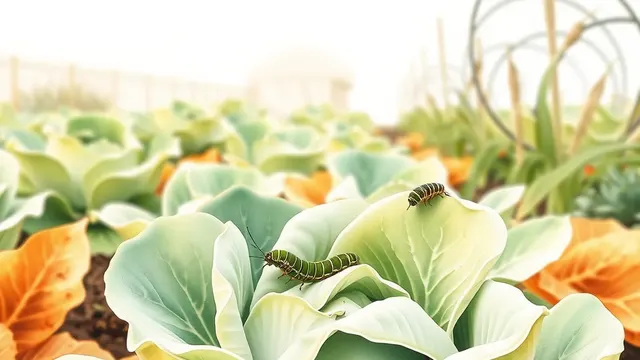 Common Garden PestsAn identification table for everyday garden pests, plus the gentle first steps that work for most.
 AphidsKnock aphids back with water, let predators help, and use soap sprays only by the label.
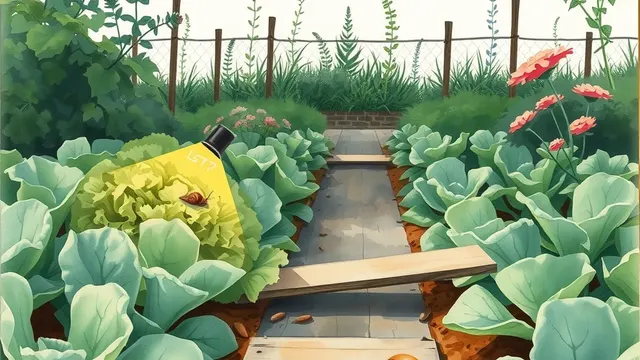 Slugs & SnailsNight checks, simple traps, barriers and smarter watering to protect plants from slugs and snails.
 Deer & RabbitsFencing basics, less-tasty plants and repellents that help keep deer and rabbits away from your crops.
 Plant DiseasesHow to recognize powdery mildew, blights and leaf spots, and the care habits that slow them down.
 Beneficial InsectsThe lady beetles, lacewings, wasps and other helpers that eat pests, and how to bring more of them in.
 Organic Pest ControlA step-by-step ladder for controlling pests: prevent, monitor, and use the least-toxic options last.
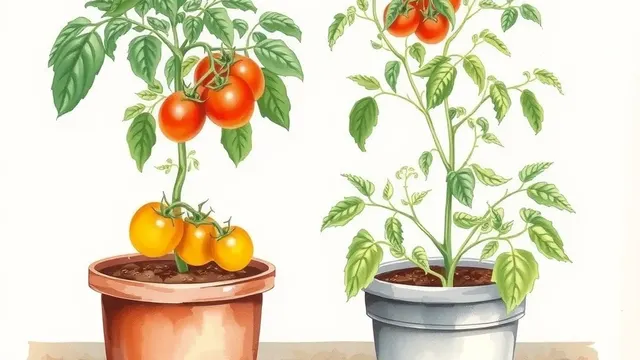 Overwatering vs UnderwateringSide-by-side symptoms, a soil and root check, and recovery steps for plants with water stress.
 Safe Pesticide UseWhy the label is the law, plus gear, storage and steps that protect kids, pets and pollinators.
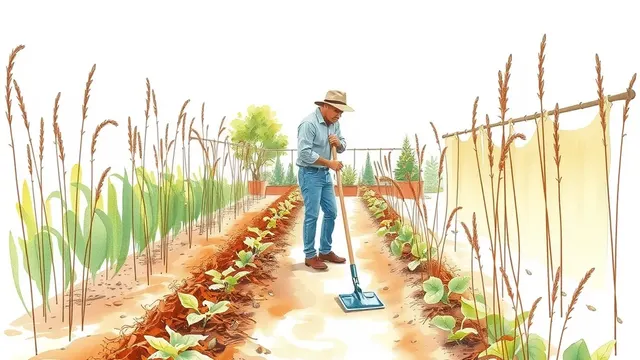 Garden WeedsMulch, hoe weeds while they're small, and stop them from seeding to keep beds manageable.
Start with a five-minute plant check
Before you read any guide, take this quick look at the plant in trouble. Write down what you see, because the notes make it much easier to match symptoms later.
- Feel the soil. Push a finger in up to the second knuckle. Is it soggy, damp or dry?
- Look under the leaves. Many insects and their eggs hide on the undersides.
- Find where the damage started. Bottom leaves, new growth, the stem near the soil or the fruit?
- Check the pattern. Is it one plant, a whole row, or plants of one type?
- Think back a week. Heat wave, heavy rain, a new fertilizer, a move to a new spot?
- Visit at night with a flashlight. Slugs, snails and some caterpillars do their eating after dark.
Match what you see to a guide
| What you notice | Likely cause | Where to start |
|---|---|---|
| Clusters of tiny soft bugs on new growth, sticky leaves | Aphids | Aphids |
| Ragged holes, silvery trails | Slugs or snails | Slugs and snails |
| Plants clipped cleanly or eaten to the ground | Deer or rabbits | Deer and rabbits |
| White powder, brown spots, leaves dying from the bottom up | A plant disease | Plant diseases |
| Wilting with wet soil, or crispy edges with dry soil | Watering stress | Overwatering vs underwatering |
| Something else chewing, and you're not sure what | A range of pests | Common garden pests |
| Beds filling with plants you didn't sow | Weeds | Controlling weeds |
The gentlest-fix-first approach
Every guide here follows the same ladder. Gardeners call it integrated pest management, and you can read the full version in our organic pest control guide. In short:
- Prevent problems with healthy soil, the right plant in the right spot, and good spacing.
- Monitor your plants a couple of times a week so you catch trouble early.
- Use physical fixes first: hand-picking, a strong spray of water, row covers and barriers.
- Invite helpers. Ladybugs, lacewings and other beneficial insects eat many common pests for free.
- Reach for products last, choose the least toxic one for the exact problem, and follow the label. Our safe pesticide use guide explains why the label matters so much.
A little damage is normal. A few holes in a leaf rarely hurt a healthy plant, and a garden with zero insects is also a garden with zero pollinators.
Problems often start with care, not bugs
Stressed plants attract pests and disease more easily. If a plant keeps having trouble, look at the basics. Our guide to watering a vegetable garden covers deep, less frequent watering that keeps roots healthy. Tomatoes are a common trouble spot, and the tomato growing guide covers staking and spacing that help leaves dry out between rains.
Indoor plants have their own set of bugs. If your trouble is on a windowsill rather than in a bed, start with houseplant pests. And if you want more bees and butterflies while you manage pests, a pollinator garden also brings in many of the insects that eat aphids and caterpillars.
When to ask for local help
Pests and diseases vary by region and season, and some are serious enough that your state tracks them. If you see something you can't identify, or a problem spreads fast, take clear photos and a sample in a sealed bag to your local Cooperative Extension office. Many offer plant diagnosis, and trained volunteers answer home gardeners' questions. Our free gardening help guide explains how to find them.
You'll also see paid courses, kits and "pest-free" products advertised online. Some are useful, and some promise more than any product can deliver. Our Choosing Plans & Courses section shows you how to judge them, and it starts with the free options worth trying first.
Safety notes for every guide
- Keep all garden products in their original containers, closed, and stored where kids and pets can't reach them.
- Never mix garden or cleaning products together.
- If someone swallows a product or has a reaction, call 911 in an emergency or Poison Help at 1-800-222-1222.
- Some garden plants and products are toxic to pets. The ASPCA keeps lists of toxic plants; see our pet-safe houseplants guide for details.
Something to do this weekend
Walk your garden or windowsill with a notebook and a flashlight on one evening and one morning. Note every plant that looks off and what you see on it. That short list tells you which guide to read first, and it gives you a baseline to compare against next week.
Want a step-by-step plan or guide?
Some people like the structure of a paid guide or set of plans. This button opens a third-party program from one of our advertising partners. Its claims are its own, not ours, so weigh them against our checklist for judging paid plans.
See the partner program →We may be paid when you click. The program shown can change. Read its terms before you buy anything. How this works
Frequently asked questions
What should I do first when a plant looks sick?
Look closely before you treat anything. Check the soil moisture, flip a few leaves, and note where the damage started. Many problems that look like pests or disease turn out to be watering or light stress.
Do I need pesticides to have a healthy garden?
Many home gardeners manage most problems with hand-picking, barriers, good watering and helpful insects. If you do use a product, choose the least toxic option for the specific problem and follow the product label exactly.