Organic Pest Control: The Gentlest Fix First

Organic pest control works best as a ladder: prevent problems with healthy plants, check often, then use physical fixes like hand-picking and barriers, invite natural predators, and reach for the least-toxic product only if you still need one. This approach is called integrated pest management, or IPM. It keeps your garden productive without relying on sprays as the first answer.
Every guide in our Pests & Problems section follows this ladder, so learning it once makes every other pest easier. Here's each rung, with examples of what to do.
The IPM ladder
| Rung | What it means | Examples |
|---|---|---|
| 1. Prevent | Make plants strong and less inviting to pests | Right plant, right place, good soil, spacing, crop rotation |
| 2. Monitor | Check regularly so you catch problems early | Twice-weekly walks, flipping leaves, night checks, sticky cards |
| 3. Decide | Set how much damage is acceptable | A few holes is fine, losing seedlings isn't |
| 4. Physical controls | Remove or block pests by hand | Hand-picking, water sprays, row covers, traps, collars |
| 5. Biological controls | Let living helpers do the work | Lady beetles, lacewings, parasitic wasps, birds, toads |
| 6. Least-toxic products | Targeted products used by the label | Insecticidal soap, horticultural oil, products made from naturally occurring bacteria |
| 7. Ask for help | When nothing works or the problem is new | Your local Cooperative Extension office |
Move up only as far as you need. Many gardeners rarely get past rung five.
Rung 1: Prevent
Prevention does the most work for the least effort.
- Match plants to your site. A sun-loving plant in shade grows weak and attracts pests.
- Build healthy soil with compost and good drainage.
- Space plants so air moves and leaves dry.
- Water deeply and steadily at the base. Our guide to overwatering vs underwatering shows how to read the signs, since water-stressed plants are easier targets.
- Rotate crops so pests and diseases that overwinter in soil don't find the same host next year.
- Choose resistant varieties when you can.
Rung 2: Monitor
Walk your garden at least twice a week. Look under leaves, at new growth and at the base of stems. Go out once after dark with a flashlight. Yellow sticky cards hung near plants can show you which flying insects are around.
Keep a simple log with the date, plant, pest and how much damage you see. Over a season or two, you'll learn when each pest tends to arrive in your area.
A sample pest log
A notebook works fine. Here's a simple format to copy:
| Date | Plant | What I saw | How much damage | What I did |
|---|---|---|---|---|
| Example: May 12 | Kale | Small green caterpillars, droppings | A few holes on outer leaves | Hand-picked, added row cover |
| Example: May 19 | Kale | Two caterpillars, wasps visiting | Little new damage | Watched only |
After a few weeks, a log shows you whether your steps are working, which is the whole point of monitoring before you treat.
Rung 3: Decide
Ask yourself:
- Is the pest actually causing harm, or is it just there?
- Are predators already present?
- Is the plant young and vulnerable, or established?
- Is the damage cosmetic, or does it threaten the harvest?
If the answer is "it's minor and predators are around," wait and watch.
Rung 4: Physical controls
- Hand-pick caterpillars, beetles and slugs into soapy water.
- Knock aphids and mites off with a firm spray of water.
- Cover young crops with floating row cover, removing it when flowers need pollinators.
- Use cardboard collars against cutworms and boards to trap slugs.
- Prune and bag heavily infested shoots.
Rung 5: Biological controls
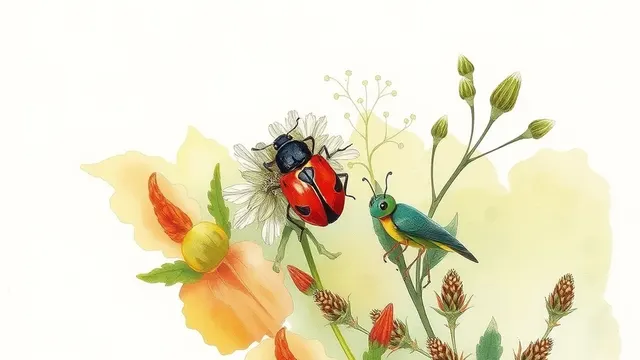
Natural predators keep working after you've gone inside. Plant small flowers, offer water and leave some shelter. Our beneficial insects guide explains which helpers eat which pests and how to keep them around.
Rung 6: Least-toxic products
If you still need a product, choose the most targeted one that's labeled for your pest and plant. Common least-toxic product types include insecticidal soap, horticultural oil, and products based on naturally occurring bacteria that target certain caterpillars.
Organic doesn't mean harmless. Some natural products can hurt bees, fish, pets or people. Always:
- Read the entire label before you buy and again before you use it.
- Spot-treat only affected plants rather than spraying everything.
- Avoid open flowers and times when pollinators are active.
- Wear the protective gear the label lists.
- Store products closed, in their original container, out of reach of kids and pets.
Using a pesticide in a way its label doesn't allow is against federal law, even for organic products. Our safe pesticide use guide explains what that means in practice. Never mix products together, and don't make homemade chemical mixtures.
Rung 7: Ask for help
If a pest is new to you, spreading fast, or not responding, contact your local Cooperative Extension office. They know which pests are active in your area and which approaches work locally.
Watch out for big promises
Pest control is a popular category for ads that promise a pest-free garden with one spray, one device or one course. No product or program can promise that. Before buying, read our guide to red flags in home and garden products, which covers exaggerated claims, fake urgency and fake reviews.
Worked example: cabbage worms on broccoli
Example: Taylor, 42, finds holes in broccoli leaves and small green caterpillars underneath.
- Decide: The plants are established, and the damage is moderate.
- Physical: Taylor hand-picks caterpillars every other morning for a week and drapes row cover over the bed.
- Biological: They plant sweet alyssum nearby and notice parasitic wasps visiting.
- Product, if needed: Damage keeps climbing on one plant, so Taylor uses a product based on naturally occurring bacteria labeled for caterpillars on broccoli, spot-treating that plant and following the label.
- Log: They note the first caterpillar date so they can put row cover on earlier next year.
Something to do this weekend
Pick your most pest-troubled plant and work through rungs one to four. Check its light, water and spacing, look it over closely, decide how much damage you'll accept, and try one physical control. Start a simple pest log in a notebook with today's date.
Want a step-by-step plan or guide?
Some people like the structure of a paid guide or set of plans. This button opens a third-party program from one of our advertising partners. Its claims are its own, not ours, so weigh them against our checklist for judging paid plans.
See the partner program →We may be paid when you click. The program shown can change. Read its terms before you buy anything. How this works
Frequently asked questions
Are organic pesticides safe to use without precautions?
No. Organic or natural products are still pesticides, and some can harm people, pets, fish or bees. Read the label, wear what it says to wear, and follow it exactly.
What does integrated pest management mean for a home garden?
It means preventing problems first, checking plants regularly, deciding how much damage is acceptable, and then choosing the least-toxic control that works, starting with physical and natural options.
How much pest damage is acceptable?
That's your call, and it depends on the plant. A few holes on kale leaves are cosmetic, while a pest killing young seedlings needs action. Decide on a threshold before you start spraying.