Beneficial Insects for the Garden
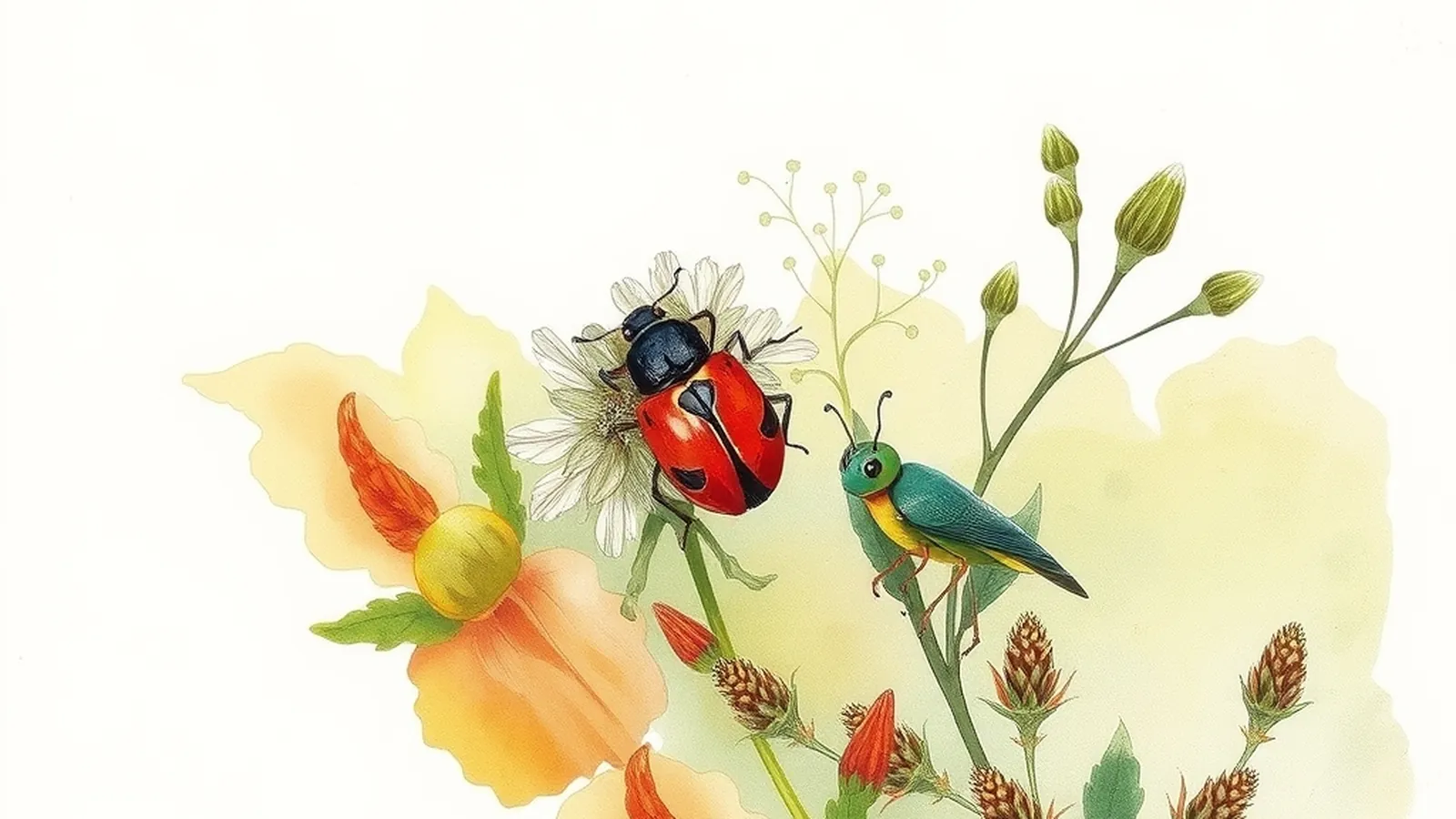
Beneficial insects are the predators and parasites that eat or attack garden pests. The best known are lady beetles, lacewings, hoverflies, ground beetles and tiny parasitic wasps. You can invite them by planting small, open flowers, offering water and shelter, and avoiding broad-spectrum sprays that kill helpers along with pests.
Welcoming helpers is one of the steadiest tools in our Pests & Problems section, because it keeps working week after week without you lifting a finger. Here's who to look for and how to make your garden a place they want to stay.
Meet the helpers
Many beneficial insects look nothing like their adult form when they're young, and the young stages often do the most pest-eating. Learn both.
| Helper | Adult looks like | Young look like | What they eat |
|---|---|---|---|
| Lady beetles | Round, often red or orange with spots | Small, spiky, alligator-shaped, dark with orange marks | Aphids, mites, small soft insects |
| Green lacewings | Delicate green insects with lacy clear wings | Tan, tapered larvae with pincer jaws | Aphids, caterpillar eggs, thrips, mites |
| Hoverflies | Small striped flies that hover, often mistaken for bees | Small green or tan legless larvae on leaves | Aphids |
| Parasitic wasps | Tiny, often smaller than a grain of rice | Develop inside pests | Aphids, caterpillars, whiteflies |
| Ground beetles | Shiny, dark beetles that run fast at night | Long, dark larvae in soil | Slugs, cutworms, insect eggs |
| Minute pirate bugs | Very small black and white bugs | Tiny orange nymphs | Thrips, mites, aphids |
| Spiders | Many shapes and sizes | Small versions of adults | A wide range of insects |
A sign that helpers are already present: swollen, tan aphids called "mummies." A parasitic wasp has laid an egg inside, and a new wasp will soon emerge.
How to invite beneficial insects
Plant small, open flowers
Many adult helpers need nectar and pollen, but they have short mouthparts. Small, open flowers suit them best.
- Herbs left to flower: dill, fennel, cilantro, parsley, oregano and thyme
- Annuals: sweet alyssum, cosmos, calendula and zinnias
- Perennials and natives: yarrow, asters, goldenrod, coneflowers and mountain mint
Aim for something blooming from spring through fall. Our guide to making a pollinator garden shows how to plan blooms through the seasons, and many of those same plants feed beneficial insects.
Offer water
A shallow dish filled with pebbles or marbles and a little water gives insects a place to drink without drowning. Refresh it every few days so mosquitoes don't breed.
Provide shelter
- Leave some hollow or pithy stems standing over winter.
- Keep a patch of leaf litter in a corner or under shrubs.
- Use mulch, which shelters ground beetles.
- Grow a mix of plant heights.
Tolerate a few pests
Helpers need food to stay. If you remove every aphid the moment it appears, predators have no reason to stick around. A small, watched pest population feeds the predators that protect your garden later.
Avoid broad sprays
Broad-spectrum insecticides kill helpers as well as pests, and pests often bounce back faster. If you need a product, choose the least toxic option labeled for the specific pest, spot-treat only affected plants, avoid open flowers, and follow the label. The organic pest control guide lays out a step-by-step ladder so products come last.
Helpers that look like pests
Some of the most useful insects get squashed by mistake, so learn these before you start hand-picking.
- Lady beetle larvae look like tiny spiny alligators, nothing like the round adults. They're often right in the middle of an aphid cluster, eating.
- Lady beetle pupae are small, bumpy, orange-and-black blobs stuck to leaves. Leave them alone, and an adult will emerge.
- Hoverflies have yellow and black stripes and hover like small bees, but they don't sting.
- Lacewing eggs sit on top of thin, hair-like stalks on leaves.
- Assassin bugs are long-legged predators that eat many pests. They can bite if handled, so move them with a leaf, not your fingers.
When in doubt, watch an insect for a minute. If it's eating something else, it's probably on your side.
Should you buy beneficial insects?
Lady beetles, lacewing eggs and other helpers are sold for release. Results are mixed for home gardens. Purchased lady beetles often scatter soon after release, and helpers need food, water and shelter to stay. Lacewing eggs and some other options may suit a greenhouse or enclosed space better. If you try buying insects, build the habitat first and follow the supplier's release instructions.
Worked example: a helper-friendly bed
Example: Riley, 30, has aphids on their kale every spring and usually sprays soap the first week.
This year Riley plants sweet alyssum along the bed edge and lets some cilantro bolt and flower. They set out a pebble water dish and wait a week before acting. By the second week they spot lady beetle larvae and hoverfly larvae on the kale, plus a few mummies. Riley sprays water once to knock back the heaviest cluster and skips the soap entirely.
Stressed plants attract more pests
Helpers work best on healthy plants. Water stress in particular makes plants softer targets for aphids and spider mites, which can outrun even a good team of predators. Our guide to overwatering vs underwatering shows how to check soil and roots so plants stay strong.
Some helpers also help indirectly with disease. Aphids and some other insects spread certain plant viruses, so keeping their numbers in check can reduce the spread. For leaf spots, mildew and blights, the plant diseases guide covers airflow and watering habits.
Seasonal helper calendar
| Season | What to do |
|---|---|
| Early spring | Leave last year's stems standing a little longer, plant early bloomers |
| Late spring | Watch for first aphids and the predators that follow, hold off on sprays |
| Summer | Keep flowers blooming, refresh water dishes, let some herbs flower |
| Fall | Plant asters and goldenrod, leave some leaves and stems for shelter |
| Winter | Plan more flowers near vegetable beds for next year |
Timing shifts with your region and frost dates, so adjust to your local season.
Something to do this weekend
Plant one small flowering plant, or let one herb go to flower, right next to the vegetables that get the most pests. Then take a hand lens or your eyes up close to those plants and look for lady beetle larvae, lacewing larvae or aphid mummies. Write down what you find so you can watch the helper population grow.
Want a step-by-step plan or guide?
Some people like the structure of a paid guide or set of plans. This button opens a third-party program from one of our advertising partners. Its claims are its own, not ours, so weigh them against our checklist for judging paid plans.
See the partner program →We may be paid when you click. The program shown can change. Read its terms before you buy anything. How this works
Frequently asked questions
Should I buy ladybugs for my garden?
You can, but purchased lady beetles often fly away soon after release. Planting flowers, providing water and avoiding broad sprays usually builds a steadier local population of helpers.
Do the helpful wasps sting people?
Most of the parasitic wasps that attack garden pests are tiny and focused on their insect hosts. Some larger predatory wasps can sting if disturbed, so give any wasp nest space and call 911 if someone has a severe allergic reaction.
What flowers attract beneficial insects?
Small, open flowers that are easy to feed from work well, such as dill, fennel, cilantro in flower, sweet alyssum, yarrow, and many native asters and goldenrods.