Overwatering vs Underwatering: How to Tell and What to Do
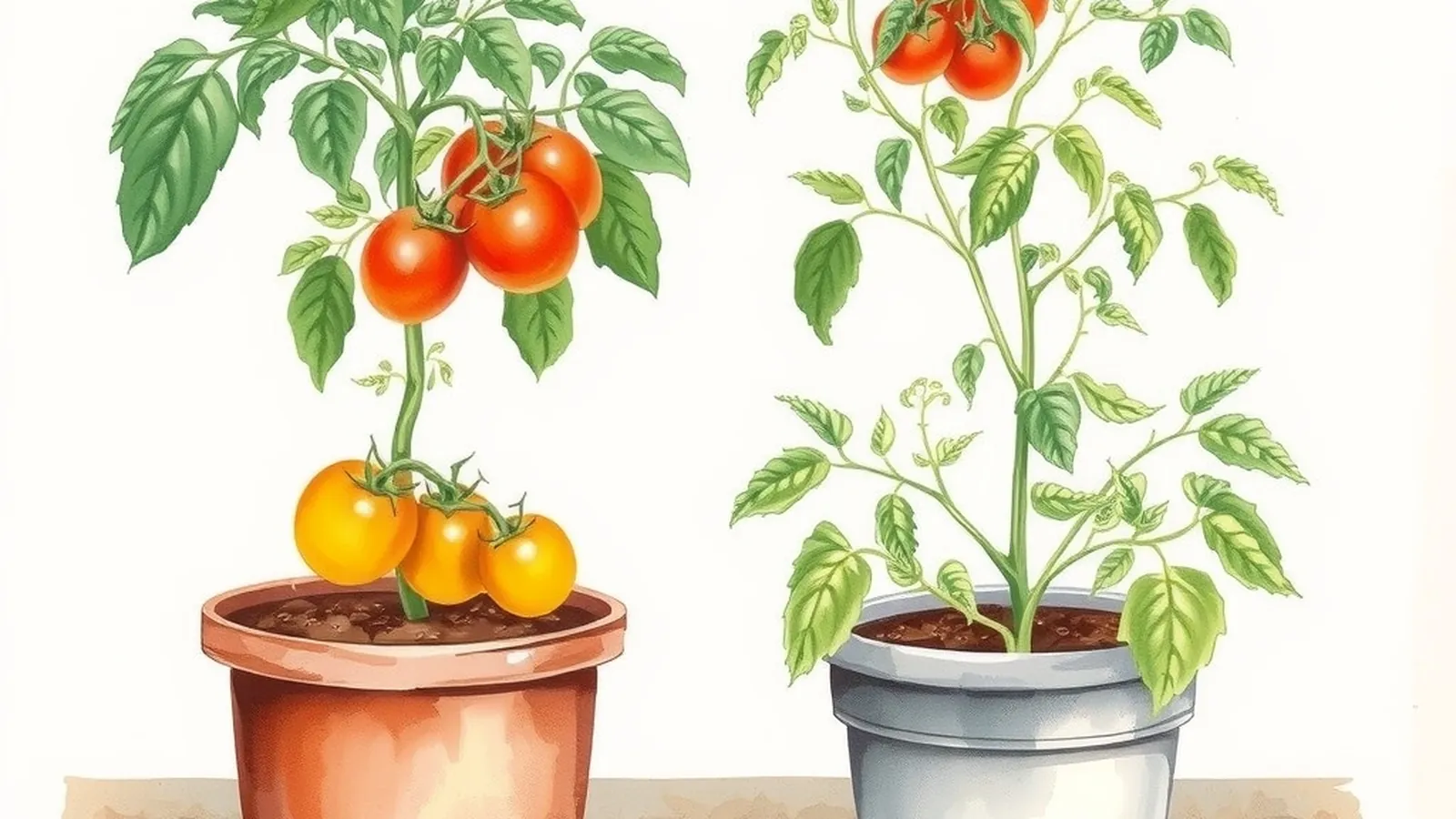
An overwatered plant usually has soggy soil, yellowing lower leaves and soft, drooping stems, while an underwatered plant has dry soil, crispy leaf edges and leaves that perk up soon after watering. The confusing part is that both can wilt. The fix is to check the soil and, if needed, the roots before you water again.
Watering stress is one of the most common causes of plants that "look sick," which is why it belongs in our Pests & Problems section. Ruling it out first can save you from treating a pest or disease that isn't there.
Side-by-side symptoms
| Sign | Overwatering | Underwatering |
|---|---|---|
| Soil | Wet or soggy, may smell sour | Dry, may pull away from the pot edge |
| Leaves | Yellow, often starting with lower leaves; soft and limp | Dry, crispy, brown edges or tips; curled |
| Wilting | Wilts even when soil is wet | Wilts when soil is dry, perks up after watering |
| Stems | Soft or dark at the base | Thin, drooping, but firm |
| Roots | Brown, mushy, may smell bad | Dry, shriveled, but not mushy |
| Growth | Slow, with leaves dropping | Slow, with small new leaves |
| Other clues | Fungus gnats, mold on soil surface | Flowers or fruit dropping early, spider mites |
Some symptoms overlap with nutrient problems and diseases. If the soil check doesn't explain what you see, look at the plant diseases guide next.
Step 1: Check the soil
- Finger test: Push a finger into the soil up to the second knuckle. Dry at that depth means it's time to water for most plants.
- Lift test for containers: Lift a pot right after watering to learn its "full" weight, then lift it again later. A light pot needs water.
- Dig test in beds: Use a trowel to dig a small hole a few inches down beside a plant. Moist, dark soil that holds together loosely is about right.
Step 2: Check the roots if you're still unsure
For a container plant, tip it out of its pot gently. Healthy roots are usually firm and white or light tan. Brown, mushy roots that pull apart easily point to overwatering and root rot. Dry, brittle roots point to underwatering.
For garden beds, check the root zone of one plant by digging carefully at the edge.
Step 3: Check drainage
- Does the pot have a drainage hole, and is it clear?
- Is the pot sitting in a saucer full of water?
- In beds, does water puddle for hours after rain?
- Is the soil heavy clay that stays wet?
Poor drainage causes many overwatering problems even when you water a normal amount.
Recovery: overwatered plants
- Stop watering until the top layer of soil dries.
- Empty saucers and make sure pots drain.
- Move containers out of heavy rain if you can.
- For containers with root rot, trim away mushy roots with clean scissors and repot in fresh, well-draining mix in a pot with drainage holes.
- Hold off on fertilizer until new growth appears. Stressed roots can't use it well.
- In beds, add compost over time to improve drainage, or consider raised beds for wet spots.
Recovery: underwatered plants
- Water slowly and deeply at the base so it soaks in instead of running off.
- For a container where the soil has pulled away from the edges, set it in a tub of water for a while so the mix can rehydrate, then let it drain.
- Add a layer of mulch around garden plants to slow evaporation, keeping it off the stems.
- Trim off fully crispy leaves once the plant recovers.
- Water a bit more often during heat waves, especially containers, which dry out fastest.
Worked example: a wilting tomato
Example: Casey, 27, sees their container tomato wilting on a hot afternoon and reaches for the hose. They check the soil first, and it's damp two knuckles down.
Casey tips the pot slightly and sees water sitting in the saucer. They empty it, lift the pot onto bricks so it drains, and wait. By evening the plant has perked up as the day cools, and the soil is drying. Casey adds a reminder to check before watering, not after a quick glance.
Weather changes the answer
The right amount of water today may be wrong next week. Adjust as conditions change.
- After heavy rain, skip watering and check the soil again in a day or two. Tip water out of saucers and pots without drainage.
- During heat waves and wind, containers and new transplants can dry out in a single afternoon. Check them twice a day.
- In cool, cloudy spells, plants use less water, and overwatering becomes more likely.
- In fall, as days shorten, most plants slow down and need less.
A simple watering routine
| Plant type | How to check | General rhythm |
|---|---|---|
| Vegetable beds | Dig test a few inches down | Deep watering when the top few inches are dry |
| Containers outdoors | Finger and lift test | Often daily in hot weather, less when cool |
| Seedlings | Surface moisture | Keep evenly moist, not soggy |
| Established shrubs | Dig test near roots | Deep and infrequent, more in the first year |
How often you'll need to water depends on your climate, soil and weather. Our guide to watering a vegetable garden covers deep watering, morning timing and soaker hoses.
Indoor plants
Houseplants are even more prone to overwatering, since pots dry slowly indoors. Our guide to watering houseplants covers the finger test, drainage, seasonal changes and bottom watering.
Rule out water before anything else
Before you spray for a pest or disease, check the water. Stressed plants show symptoms that look like many other problems, and a product won't fix soggy roots. Our safe pesticide use guide explains how to use products carefully when you do need one.
Weeds compete with your plants for water, which can make underwatering worse even when you water often. Keeping beds clear with the steps in our weed control guide helps your plants get the water you give them.
Healthy watering is also the first rung of the organic pest control ladder, because well-watered plants are less attractive to aphids and spider mites.
Something to do today
Check every plant you're worried about with the finger test, and lift any containers. Write down "wet," "damp" or "dry" next to each one. Water only the dry ones, empty any full saucers, and check again tomorrow at the same time.
Want a step-by-step plan or guide?
Some people like the structure of a paid guide or set of plans. This button opens a third-party program from one of our advertising partners. Its claims are its own, not ours, so weigh them against our checklist for judging paid plans.
See the partner program →We may be paid when you click. The program shown can change. Read its terms before you buy anything. How this works
Frequently asked questions
Can an overwatered plant look thirsty?
Yes. Soggy soil damages roots, and damaged roots can't take up water, so an overwatered plant can wilt just like a dry one. Always check the soil before you water a wilting plant.
How do I check whether my plant needs water?
Push a finger into the soil up to the second knuckle. If it feels dry at that depth, most garden plants and containers are ready for a drink. If it's damp, wait and check again tomorrow.
Can a plant recover from root rot?
Sometimes. If some roots are still firm and white or light colored, trimming away the mushy ones and letting the soil dry out can help. Plants with mostly brown, mushy roots often don't recover.