How Often to Water a Vegetable Garden
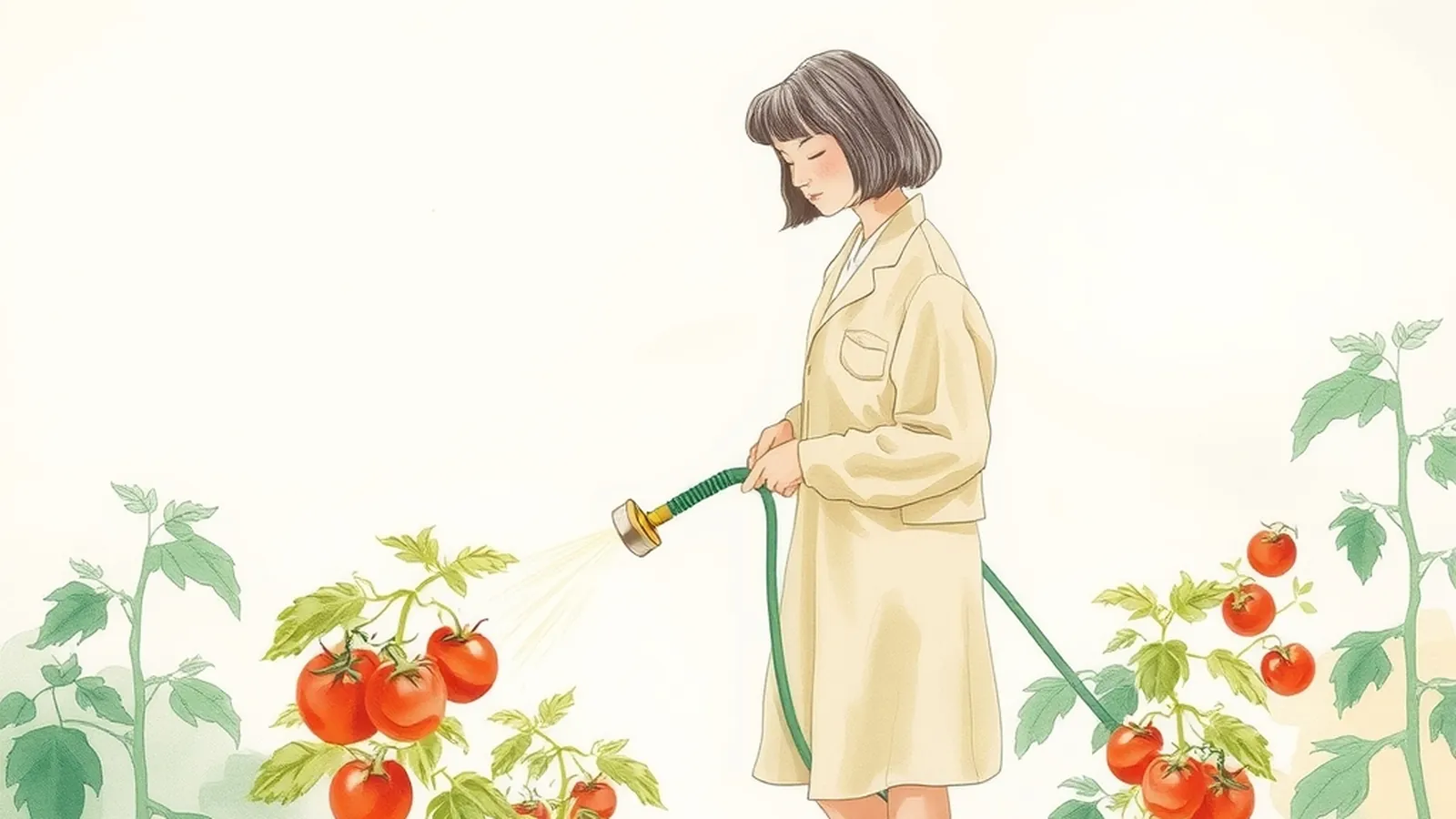
Most vegetable gardens do best with a deep watering once or twice a week, rather than a light sprinkle every day, adjusted for heat, rain and your soil. Water in the morning, aim at the base of plants and check the soil a couple of inches down before you water again. If it feels dry at that depth, it's time. If it's still moist, wait.
Watering is one of the everyday routines covered in our Garden Basics section. This guide explains how to do it well with less effort.
Why deep watering works better
When you water lightly every day, only the top inch or so of soil gets wet. Roots stay near the surface, where they dry out quickly on hot afternoons. When you water deeply and less often, moisture soaks further down, and roots follow it. Deeper roots can reach water longer between waterings and handle heat better.
A common rule of thumb is about an inch of water a week from rain and watering combined. Treat that as a starting point, not a rule. Hot, windy weather and sandy soil mean more. Cool, cloudy weather and clay soil mean less.
How to check whether to water
Your finger is the best tool you own.
- Push a finger into the soil near the plant, about two inches deep.
- If it feels dry at your fingertip, water.
- If it feels cool and moist, check again tomorrow.
You can also dig a small hole with a trowel after watering to see how far down the water went. If only the top inch is wet, water longer next time.
Signs plants need water include wilting in the morning, dull or curling leaves and soil pulling away from the edge of pots. Be careful, though: wilting in the heat of a sunny afternoon can be normal, and plants often recover by evening. Wilting with wet soil can mean too much water. Our guide to overwatering vs underwatering compares the symptoms side by side.
When to water
Morning is usually best. Water soaks in before the day heats up, less is lost to evaporation and leaves dry quickly in the sun, which helps limit some diseases. Watering in early evening is the next best choice. Try to avoid wetting leaves late at night.
Where to water
Aim water at the soil around the base of each plant, not at the leaves. Wet leaves can spread some fungal diseases, and water on leaves doesn't reach roots. Water the whole root area, not just the stem, since roots spread out as plants grow.
Watering tools compared
| Tool | Best for | Notes |
|---|---|---|
| Watering can | Seedlings, containers, small beds | Gentle and precise, but slow for big areas |
| Hose with a gentle nozzle | Most small gardens | Use a soft shower setting at the base of plants |
| Soaker hose | Rows and beds | Seeps water slowly into soil along its length |
| Drip irrigation | Beds and containers | Delivers water to each plant, can run on a timer |
| Sprinkler | Lawns, large areas | Wets leaves and loses water to evaporation |
Soaker hoses are a good beginner upgrade. Lay them along your rows or snake them through a bed, cover them with mulch and turn them on low. Run one for a while, then dig down to see how deep the water has reached. That tells you how long to run it next time. A simple timer on the spigot helps if you tend to forget.
Watering through the season
Needs change as plants grow and weather shifts.
- Seeds and seedlings: keep the top layer evenly moist with gentle, frequent watering until roots grow. This is the one time light, frequent watering makes sense.
- New transplants: water well at planting and check daily for the first week or two.
- Established plants: move to deep, less frequent watering.
- Fruiting crops: tomatoes, peppers and squash need steady moisture as fruit develops. Uneven watering can contribute to problems such as cracked fruit.
- Heat waves: check daily, especially containers.
- Rainy stretches: skip watering and let the soil dry a bit.
Containers are a different story
Pots, window boxes and grow bags hold far less soil than a garden bed, so they dry out much faster. Small pots, dark pots, clay pots and anything in full sun or wind dry quickest.
- Check containers daily in warm weather, and sometimes twice a day in a heat wave.
- Water until it runs out of the drainage holes, so the whole root ball gets wet.
- Empty saucers after watering so roots don't sit in standing water.
- Group pots together, which shades their sides and slows drying.
A worked example
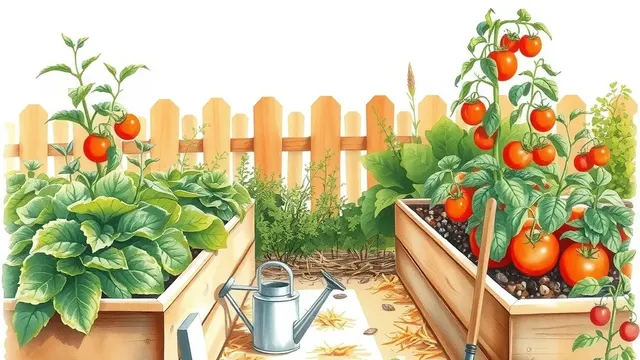
Here's an example for a fictional gardener, Taylor, who has two raised beds of tomatoes, beans and lettuce. In early summer, Taylor checks the soil each morning while drinking coffee. On most weeks, the beds feel dry two inches down about every three or four days. Taylor runs a soaker hose for a set time, then digs down to confirm the soil is moist several inches deep. During a hot, windy week, Taylor checks every day and waters more often. After a heavy rain, Taylor skips a few days.
Saving water and effort
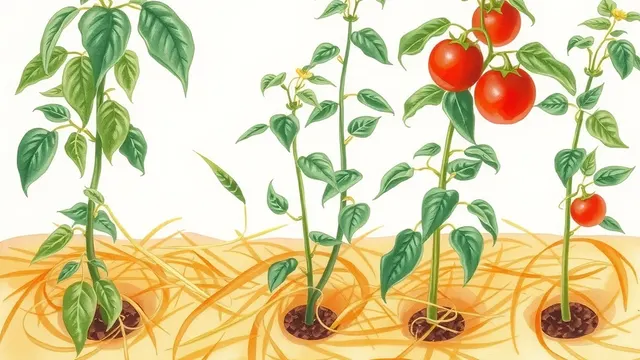
- Mulch. A layer of mulch slows evaporation and keeps soil cooler. Our garden mulch guide explains types and thickness.
- Add compost. Soil rich in organic matter holds moisture longer. See our composting guide to make your own.
- Group by need. Keep thirsty plants together so you don't overwater others.
- Water early. Morning watering loses less to evaporation.
- Collect rain if your local rules allow it, for watering ornamental and edible plants as appropriate.
Water and feeding go together
Water carries nutrients to roots, and plants that are stressed by drought or soggy soil can't use fertilizer well. Get watering steady first, then think about feeding. Our fertilizer basics guide explains how to read labels and why more isn't better.
Something to do this week
Do the finger test in your garden every morning for a week and jot down what you find. By the end of the week you'll see your own garden's rhythm, which is more useful than any fixed schedule.
Want a step-by-step plan or guide?
Some people like the structure of a paid guide or set of plans. This button opens a third-party program from one of our advertising partners. Its claims are its own, not ours, so weigh them against our checklist for judging paid plans.
See the partner program →We may be paid when you click. The program shown can change. Read its terms before you buy anything. How this works
Frequently asked questions
How much water does a vegetable garden need?
A common rule of thumb is about an inch of water a week from rain and watering combined, but needs change with heat, wind, soil and plant size. Checking the soil is more reliable than following a fixed amount.
Is it bad to water plants at night?
Evening watering is better than none, but leaves that stay wet overnight can be more prone to some diseases. Morning is usually best, and watering at the base keeps leaves dry at any time of day.
Do containers need more water than garden beds?
Usually, yes. Pots dry out faster than the ground, especially small or dark pots in sun and wind. In hot weather many containers need checking every day.