How to Compost for Beginners
To compost, mix "greens" such as fruit and vegetable scraps and fresh grass clippings with "browns" such as dry leaves and shredded cardboard, keep the pile about as damp as a wrung-out sponge and turn it now and then to add air. Over months, it breaks down into dark, crumbly compost you can spread on your garden. Most smells and slow piles come from too many greens, too much water or too little air, and they're easy to fix.
Compost is one of the foundations in our Garden Basics section, because it feeds soil life and improves almost every type of soil.
Greens and browns
Compost needs two kinds of material. Think of greens as the nitrogen-rich, moist part and browns as the carbon-rich, dry part.
| Greens (wet, nitrogen-rich) | Browns (dry, carbon-rich) |
|---|---|
| Fruit and vegetable scraps | Dry leaves |
| Coffee grounds | Straw |
| Fresh grass clippings | Shredded plain cardboard |
| Plant trimmings | Shredded newspaper |
| Spent garden plants, if healthy | Small twigs and wood chips |
| Eggshells (crushed) | Paper towels and napkins without grease |
A common rule of thumb is to add more browns than greens by volume, often around two or three parts browns to one part greens. You don't need to measure. If the pile smells or looks slimy, add browns. If it's dry and nothing is happening, add greens and water.
What to leave out
- Meat, fish, bones and dairy
- Oily or greasy food
- Pet waste from dogs and cats
- Diseased plants
- Weeds that have gone to seed or spread by roots
- Plants or clippings treated with herbicides, unless the product label says otherwise
- Coal or charcoal ash
Bins vs piles
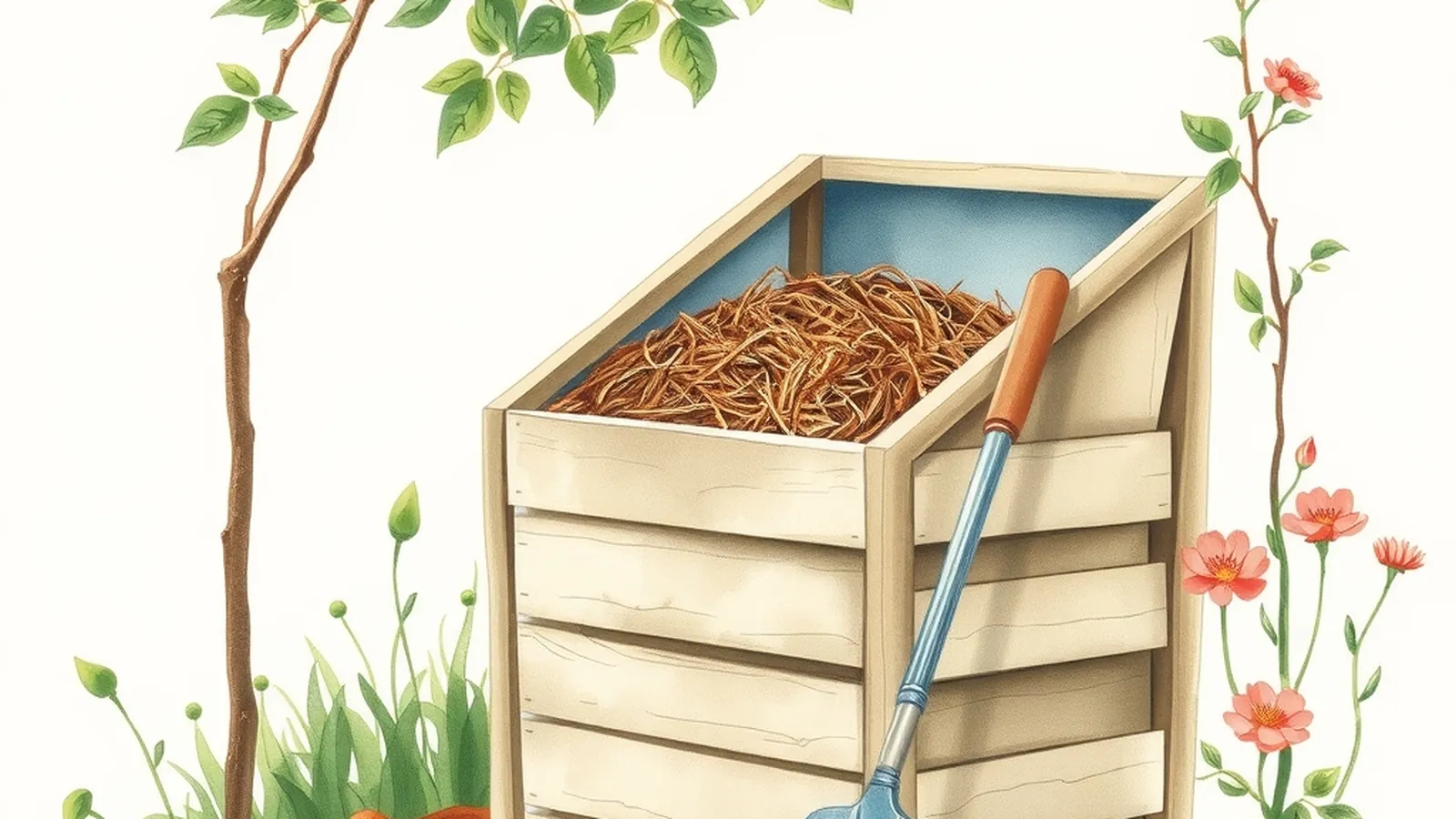
You can compost in an open pile or a container. Both work.
| Method | Pros | Cons |
|---|---|---|
| Open pile | Free, easy to turn, holds a lot | Looks messier, can attract animals |
| Wire or wood bin | Tidy, cheap to build, easy to turn | Takes some space |
| Closed plastic bin | Neat, keeps out many animals | Harder to turn, can get too wet |
| Tumbler | Easy to turn, off the ground | Holds less, batch must finish before adding more |
If your yard is small or you live in an apartment, you have other options, including worm bins and community drop-off programs. Our apartment composting guide covers them.
Pick a spot that's level, drains well, and is easy to reach from the kitchen and the garden. Partial shade helps keep it from drying out in hot weather.
How to build a compost pile
- Start with browns. Lay several inches of coarse browns, such as twigs or straw, on the ground to help air flow.
- Add layers. Alternate greens and browns. Cover each layer of kitchen scraps with browns to reduce smells and flies.
- Add water. Sprinkle each layer so the pile is damp but not dripping.
- Build some size. A pile about three feet on each side holds heat well and breaks down faster. Smaller piles still work, just more slowly.
- Turn it. Every week or two, mix the pile with a garden fork, moving outside material to the center.
- Keep adding. Keep a container of browns, such as a bag of dry leaves, next to the bin so you always have some to cover scraps.
Troubleshooting
| Problem | Likely cause | What to do |
|---|---|---|
| Smells like rotten eggs or garbage | Too wet or too many greens, not enough air | Add browns, turn the pile, cover scraps |
| Smells like ammonia | Too many greens, especially grass | Mix in plenty of browns |
| Dry, nothing happening | Too little water or greens | Add water and greens, then turn |
| Fruit flies | Scraps left exposed | Bury scraps in the center, cover with browns |
| Animals digging | Food scraps attracting them | Skip meat and grease, use a closed bin, bury scraps |
| Pile is cold | Too small, too dry or not enough greens | Add greens and water, build it larger, turn it |
Composting through the seasons
- Spring: turn the pile, mix in winter's scraps and add browns you saved from fall.
- Summer: piles work fastest in warm weather. Water during dry spells and turn more often.
- Fall: gather and store dry leaves, your main supply of browns for the year ahead.
- Winter: activity slows or stops in cold areas. Keep adding scraps covered with browns, and the pile will pick up again when it warms.
When is compost ready?
Finished compost is dark brown, crumbly and smells like a forest floor. You shouldn't be able to recognize most of what went in, though a few eggshells or twigs are fine. Sift out larger pieces with a simple screen made from hardware cloth and toss them back in the pile.
How to use compost
- Spread a couple of inches on vegetable and flower beds each spring or fall
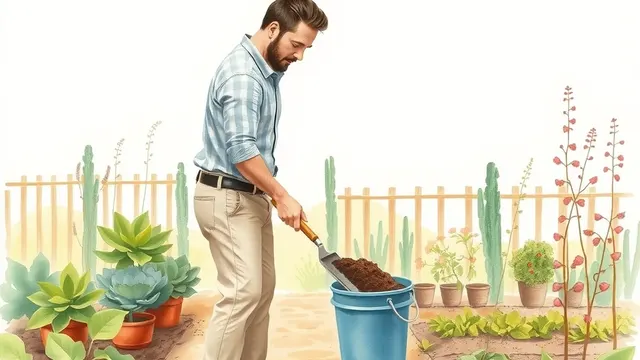
- Mix some into planting holes for new plants
- Sprinkle a thin layer on your lawn
- Use it as part of a mulch layer around plants
Compost improves texture and helps soil hold water and nutrients. If you're curious how your soil changes over time, a soil test every few years will show you shifts in organic matter, pH and nutrients.
A worked example
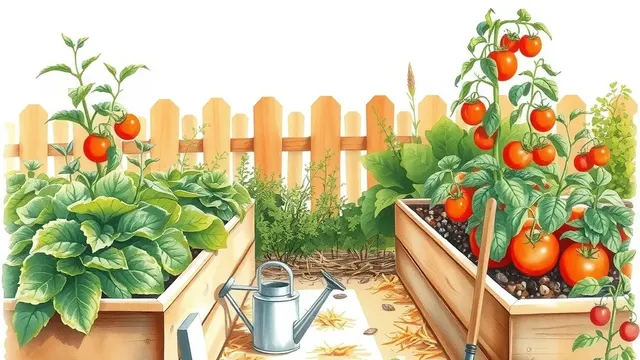
Here's an example for a fictional household, the Parks, who started a compost bin in fall. They raked dry leaves into bags and kept them next to the bin. All winter they added kitchen scraps and a scoop of leaves each time. In spring the pile smelled sour, so they turned it and mixed in two bags of leaves. By late summer the bottom of the bin held dark compost, which they spread around their tomatoes.
How compost connects to the rest of your garden
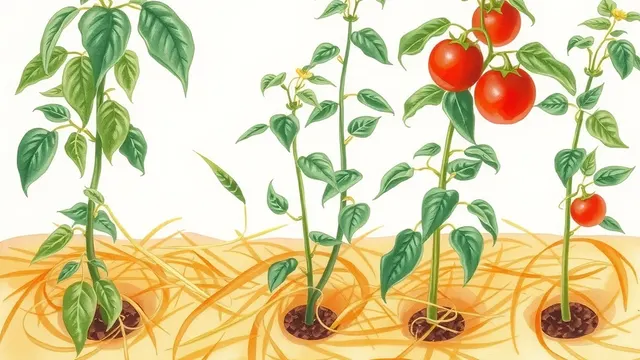
Compost and mulch work well together. A layer of compost topped with garden mulch feeds the soil while blocking weeds and holding moisture. Soil rich in compost also holds water longer, which can change how often you need to water.
You may see ads for compost systems or courses claiming they'll do the work for you. A simple pile or bin works fine for most people. Before you buy anything pricey, browse our Choosing Plans & Courses section for questions to ask.
Something to do this weekend
Pick a spot for your compost and gather a large bag of dry leaves or shredded cardboard. Start a container on your kitchen counter for fruit and vegetable scraps. By next weekend you'll have your first layers.
Want a step-by-step plan or guide?
Some people like the structure of a paid guide or set of plans. This button opens a third-party program from one of our advertising partners. Its claims are its own, not ours, so weigh them against our checklist for judging paid plans.
See the partner program →We may be paid when you click. The program shown can change. Read its terms before you buy anything. How this works
Frequently asked questions
How long does compost take?
It varies a lot. A well-balanced pile that's turned often and kept moist can be ready in a few months, while an untended pile may take a year or more. Finished compost is dark and crumbly and smells like earth.
What should I not put in compost?
Leave out meat, fish, bones, dairy, greasy foods, pet waste, diseased plants and weeds that have gone to seed. These can attract pests, cause odors or spread problems back into your garden.
Does compost attract rats?
A pile with food scraps can attract animals, especially if it contains meat or greasy foods. Bury fruit and vegetable scraps in the center, cover them with browns and consider a closed bin with a secure lid.