What Is the Best Mulch for a Garden?
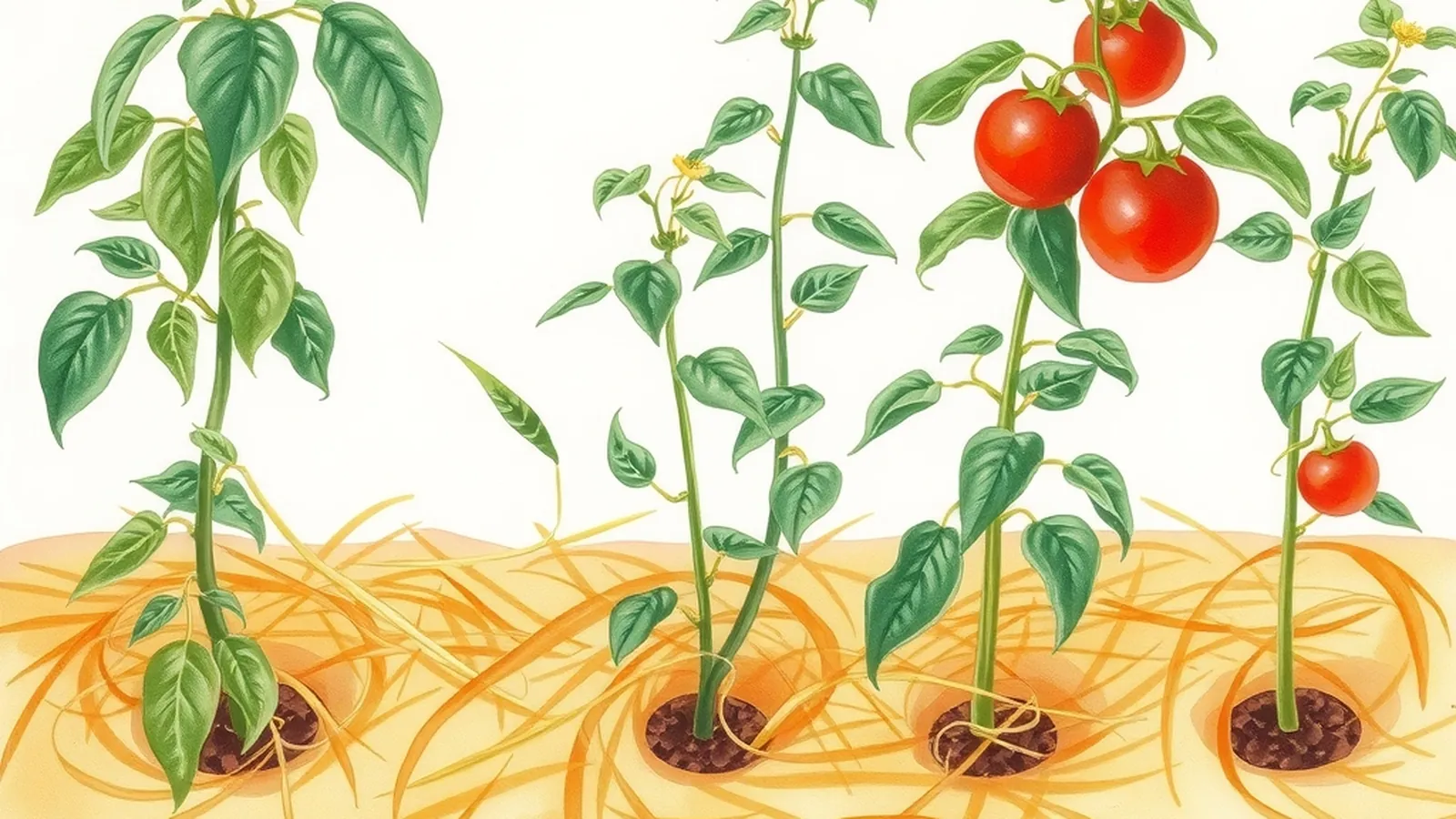
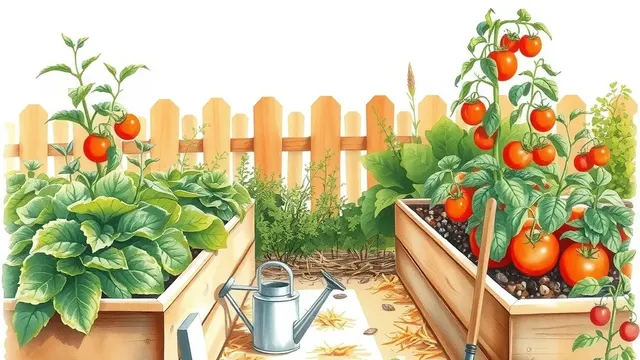
The best mulch for most vegetable gardens is a light, organic material such as straw, shredded leaves or compost, spread about two to three inches deep. For paths, shrubs and perennial beds, wood chips or shredded bark are a common choice. Whatever you use, keep mulch a few inches away from plant stems and tree trunks to help prevent rot and pests.
Mulch is one of the low-effort routines in our Garden Basics section. It does a lot of work for very little effort.
What mulch does
A layer of mulch on top of the soil helps in several ways:
- Holds moisture by slowing evaporation, so you may water less
- Blocks many weeds by keeping light from weed seeds
- Keeps soil temperature steadier through hot days and cool nights
- Protects soil from crusting and erosion in heavy rain
- Feeds the soil as organic mulches break down
- Keeps produce cleaner by reducing soil splash onto low fruit and leaves
Common mulch types compared
| Mulch | Best for | Pros | Things to know |
|---|---|---|---|
| Straw | Vegetable beds | Light, easy to spread, breaks down in a season | Buy straw, not hay, which often holds weed seeds |
| Shredded leaves | Vegetables, flowers | Free in fall, feeds soil | Shred first so they don't mat |
| Compost | Vegetables, any bed | Feeds soil as it mulches | Weeds can sprout in it, breaks down quickly |
| Grass clippings | Vegetable beds | Free, adds nitrogen | Use thin, dry layers, and skip clippings treated with herbicides |
| Wood chips | Paths, shrubs, trees | Long lasting, good for paths | Breaks down slowly, best kept on the surface |
| Shredded bark | Perennial beds, shrubs | Tidy look, long lasting | Can wash away on slopes |
| Pine needles | Acid-loving plants, paths | Light, stays in place | Breaks down slowly |
| Gravel or stone | Dry gardens, succulents | Permanent, doesn't blow away | Holds heat, doesn't feed soil |
Organic mulches like straw, leaves and wood chips improve soil as they break down. Inorganic mulches like gravel last longer but don't add anything to the soil.
If you live somewhere dry, mulch becomes even more important. Our guide to drought tolerant landscaping explains how mulch works with grouping plants by water need and switching to drip irrigation.
How thick to spread mulch
For most beds, about two to three inches is a good target.
- Too thin and weeds grow through it and soil still dries out.
- Too thick and water may struggle to reach the soil, and roots can be starved of air.
- Fine materials such as compost or grass clippings can be thinner.
- Coarse materials such as wood chips can be a little deeper.
Keep it off stems and trunks
Piling mulch against plant stems or tree trunks keeps the bark constantly wet. That can lead to rot and gives pests and rodents a hiding place. Leave a few inches of bare soil around vegetable stems and wider gaps around shrubs and trees. Around trees, spread mulch in a wide, flat ring, like a donut, rather than a tall pile against the trunk.
When to mulch
- Vegetable gardens: wait until soil has warmed in spring and seedlings are a few inches tall. Mulching cold soil too early can keep it cold longer and slow warm-season crops.
- Perennial beds: spring, after the soil warms, or fall, after the ground cools.
- Winter protection: in cold areas, some gardeners add mulch around perennials after the ground starts to freeze to help protect roots.
- Anytime: top up thin spots when you notice them.
How to mulch a vegetable bed
- Weed first. Pull existing weeds so they don't grow through.
- Water well. Mulch holds in moisture, so start with damp soil.
- Spread the mulch. Lay it two to three inches deep across the bed.
- Pull it back from each plant's stem by a few inches.
- Check it monthly. Top up thin spots and fluff matted layers.
If you use a soaker hose, lay it down before the mulch so the water goes right to the soil.
A worked example
Here's an example for a fictional gardener, Jamie, who has one vegetable bed and a strip of shrubs along the driveway. In fall, Jamie runs over dry leaves with a mower to shred them and stores them in bags. In late spring, once the tomatoes and peppers are settled, Jamie spreads the shredded leaves around them, leaving a small ring of bare soil around each stem. For the shrubs, Jamie uses wood chips and keeps them pulled back from the trunks. By midsummer Jamie notices fewer weeds and soil that stays moist longer.
Finding mulch for free or cheap
Mulch doesn't have to come in bags. Some low-cost sources:
- Your own fall leaves, shredded and stored in bags or a wire bin until spring
- Grass clippings from untreated lawns, dried first and spread thin
- Municipal programs, since many cities and counties give away wood chips or leaf mulch
- Tree care crews, who sometimes drop off chipped branches for free
Check what you're getting. Avoid material from plants that were diseased or treated with herbicides, and let fresh wood chips sit for a while before using them near tender plants.
Mulch, weeds and pests
Mulch blocks many weed seeds from sprouting, but it won't stop every weed. Pull the few that come through while they're small. Some gardeners notice slugs hiding under damp mulch in wet climates. If that's a problem for you, try a thinner layer or a coarser material.
How mulch fits with everything else
Mulch holds moisture, so you'll likely need to water less often. Keep checking the soil, though, as our guide to how often to water a vegetable garden explains.
As organic mulch breaks down, it adds some nutrients to the soil, but not always enough for hungry crops. Our fertilizer basics guide covers when to feed and how to avoid overdoing it.
If you start seeds indoors, wait to mulch around those transplants until they're settled and the soil is warm. Our seed starting guide explains how to harden off seedlings before they move outside.
Something to do this weekend
Find a free source of mulch. In fall, bag up and shred your own leaves. In spring, check whether your city or county offers free wood chips or leaf mulch. Then spread a test patch around one plant and see how the soil feels a week later.
Want a step-by-step plan or guide?
Some people like the structure of a paid guide or set of plans. This button opens a third-party program from one of our advertising partners. Its claims are its own, not ours, so weigh them against our checklist for judging paid plans.
See the partner program →We may be paid when you click. The program shown can change. Read its terms before you buy anything. How this works
Frequently asked questions
How thick should mulch be?
For most garden beds, a layer about two to three inches deep works well. Finer materials can be a little thinner, and coarse wood chips around shrubs and trees can be a bit thicker, but keep it pulled back from stems and trunks.
Should I remove old mulch before adding new mulch?
Usually not. Organic mulch breaks down and feeds the soil. Check the depth, fluff up any matted layers and top it up only as needed so it doesn't get too thick.
Is wood chip mulch okay for vegetable gardens?
Wood chips work well on paths and around perennials. In vegetable beds that get replanted often, many gardeners prefer straw, shredded leaves or compost, which are easier to move and break down faster.