Houseplants
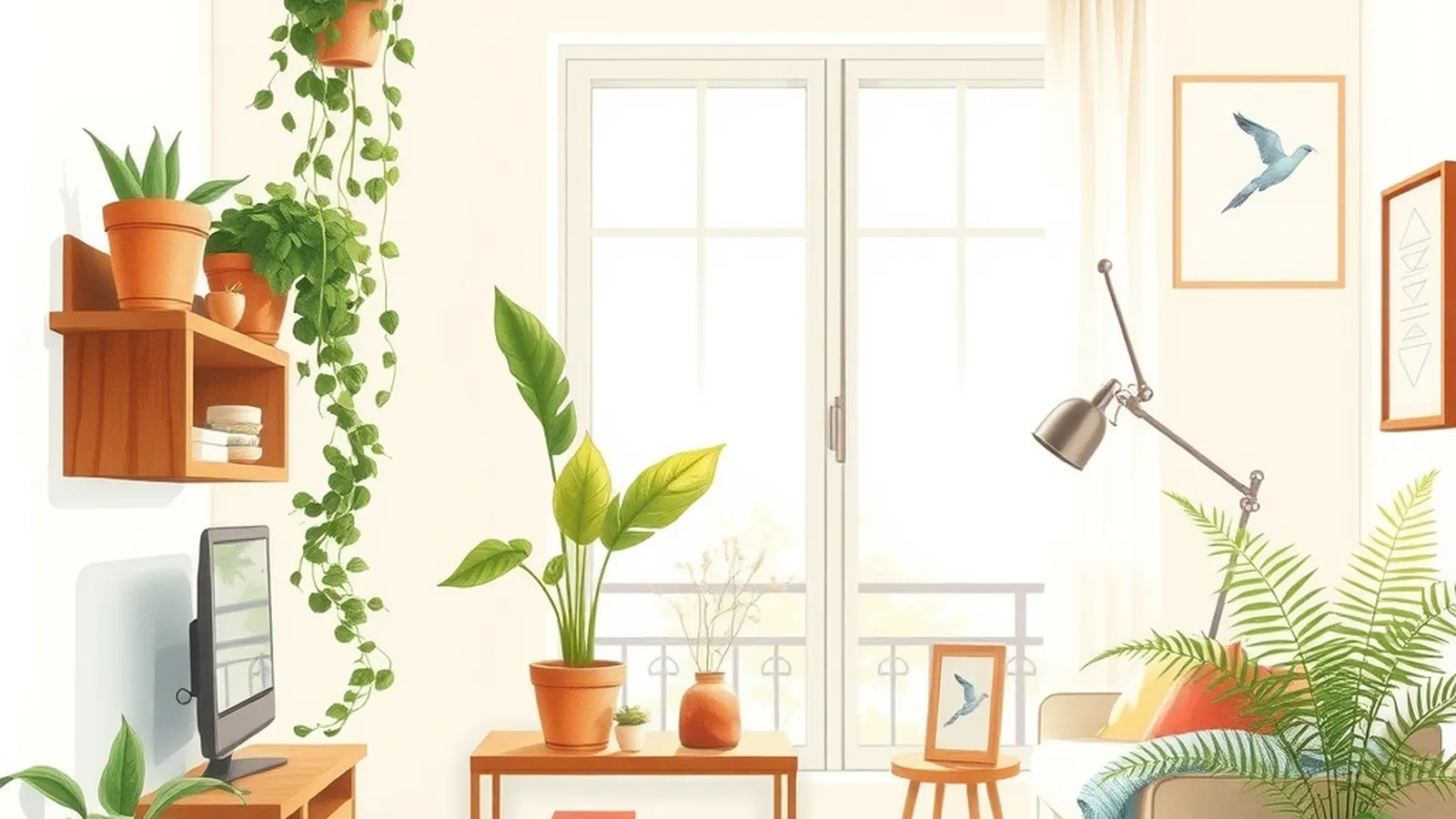
Healthy houseplants come down to three things: the right plant for your light, water given when the soil asks for it, and a pot that lets extra water escape. Get those right and most common indoor plants will grow steadily for years. The guides in this section start with choosing forgiving plants and move into watering, repotting, pests, pet safety and the extras that help, such as grow lights and humidity.
You don't need a sunny house or a big budget. A north-facing apartment, a busy work schedule and a cat can all live happily alongside the right plants. We'll show you how to match plants to the home you actually have.
 Easy HouseplantsForgiving indoor plants for first-timers, with a table of the light and water each one needs.
 Low Light PlantsWhat counts as low light indoors and the plants that put up with dim rooms and north windows.
 Watering HouseplantsWhy fixed schedules fail, how to check soil by touch, and how to water so roots stay healthy.
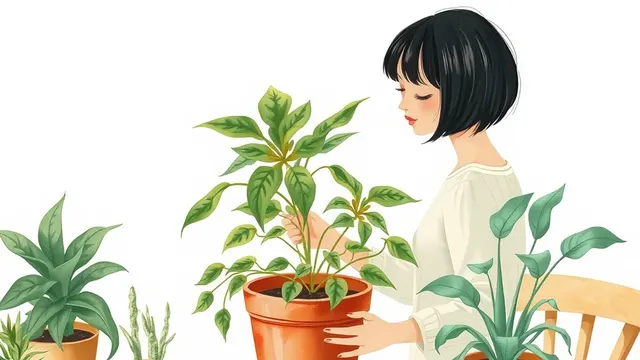 RepottingWhen a houseplant needs a new pot, how big to go, and how to move it without stressing the roots.
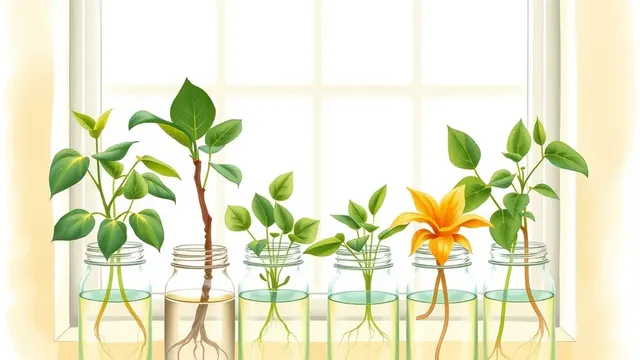 PropagationTurn one plant into several with stem cuttings, division and leaf cuttings, step by step.
 Yellow LeavesA step-by-step way to find out why houseplant leaves yellow, with a table of causes and fixes.
 Houseplant PestsIdentify fungus gnats, spider mites, mealybugs and scale, and treat them gently, step by step.
 Pet Safe PlantsHow to check plants against the ASPCA lists, place them wisely and act fast if a pet takes a bite.
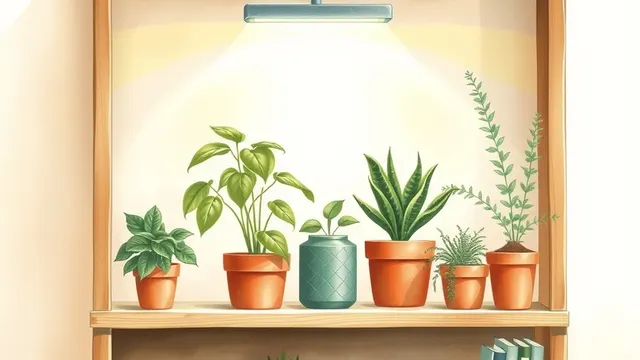 Grow LightsHow grow lights help houseplants in dim rooms, with light types, distance, hours and timers explained.
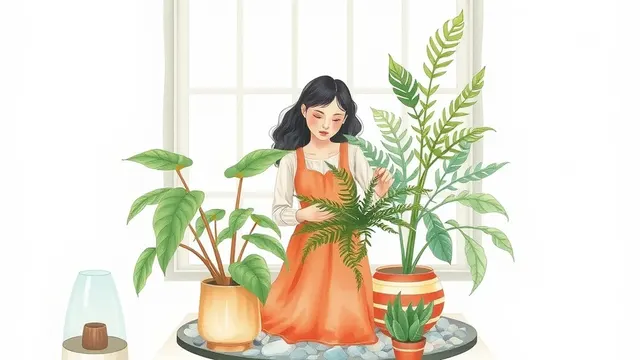 Plant HumiditySimple ways to add moisture around humidity-loving plants, and why misting alone rarely helps.
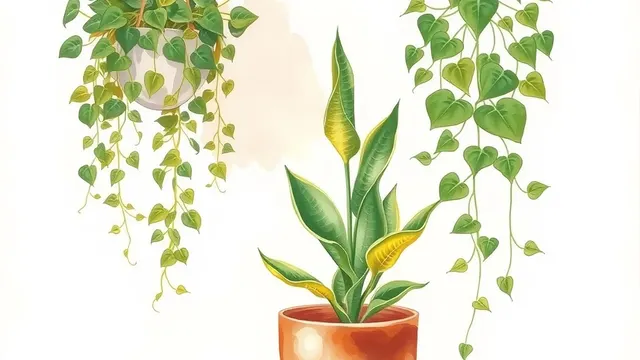 Pothos and Snake PlantsCare for two of the easiest houseplants, from light and watering to trimming and common problems.
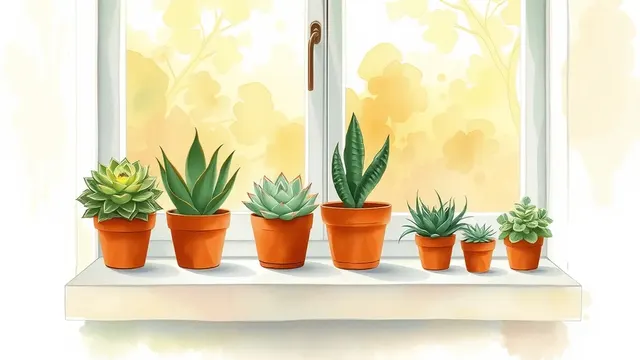 Succulents IndoorsBright light, gritty soil and soak-and-dry watering for healthy indoor succulents.
Where to start
If you're new to indoor plants, this reading order keeps things simple:
- Pick plants that forgive mistakes. Our list of easy houseplants for beginners has a table of plants sorted by light and water needs.
- Be honest about your light. Read low light houseplants before you buy anything for a dim room.
- Learn to water by touch. Watering houseplants explains the finger test and why schedules let plants down.
- Check pet safety first if you share your home with a dog or cat. Our pet-safe houseplants guide explains how to use the ASPCA plant lists.
- Come back when something goes wrong. Yellow leaves and houseplant pests are the two guides most readers end up needing.
Match the guide to your problem
| If you're thinking... | Start with |
|---|---|
| "Everything I buy dies" | Easy houseplants for beginners, then watering |
| "My apartment barely gets any sun" | Low light houseplants, then grow lights |
| "The leaves keep turning yellow" | Yellow leaves |
| "There are tiny flies around my pots" | Houseplant pests |
| "My plant looks too big for its pot" | Repotting |
| "I want more plants without buying them" | Propagation |
| "My cat chews everything" | Pet-safe houseplants |
How houseplants connect to the rest of your home
Indoor plants share a lot with outdoor gardening. The way light changes through a day works the same on a windowsill as in a backyard, and our guide to full sun vs partial shade explains light in a way that helps indoors too. If you'd like to grow something you can eat, growing herbs indoors uses many of the same skills you'll learn here.
Plants also live alongside your cleaning routine. If you're choosing products to wipe down shelves and windowsills near your plants and pets, our guide to natural cleaning covers what's safe to use and what should never be mixed.
When pests or disease spread beyond a single pot, the Pests & Problems section walks through the gentlest fixes first, and it's worth reading before you reach for any spray.
Before you pay for a plant course or subscription
Plant subscription boxes, care apps and online courses are easy to find. Some are useful, and some promise results no product can deliver. Before you spend money, our Choosing Plans & Courses section explains how to judge a paid program and where to find free, research-based help, including your local Cooperative Extension office.
A note on safety
Some common houseplants can upset a pet's stomach or worse if chewed, and some can irritate skin or mouths. Keep plants your pets or small visitors might nibble out of reach, store fertilizers and pest sprays up high, and follow the product label every time. If a person may have been poisoned, call Poison Help at 1-800-222-1222, or 911 in an emergency.
Something to do this weekend
Walk through your home at midday and note which rooms get direct sun, bright indirect light or only dim light. Write it on a sticky note for each window. That one list will make every guide in this section easier to use, and it will keep you from buying a plant that's wrong for the spot before you even get it home.
Want a step-by-step plan or guide?
Some people like the structure of a paid guide or set of plans. This button opens a third-party program from one of our advertising partners. Its claims are its own, not ours, so weigh them against our checklist for judging paid plans.
See the partner program →We may be paid when you click. The program shown can change. Read its terms before you buy anything. How this works
Frequently asked questions
What is the most common reason houseplants die?
Watering on a fixed schedule instead of checking the soil is a frequent cause, along with putting a plant in light that doesn't suit it. Our watering guide shows how to check before you pour.
Do I need special equipment to grow houseplants?
No. A pot with a drainage hole, a bag of indoor potting mix and a spot with the right light will carry most beginners a long way. Grow lights and humidifiers are helpful extras, not requirements.