How to Repot a Plant
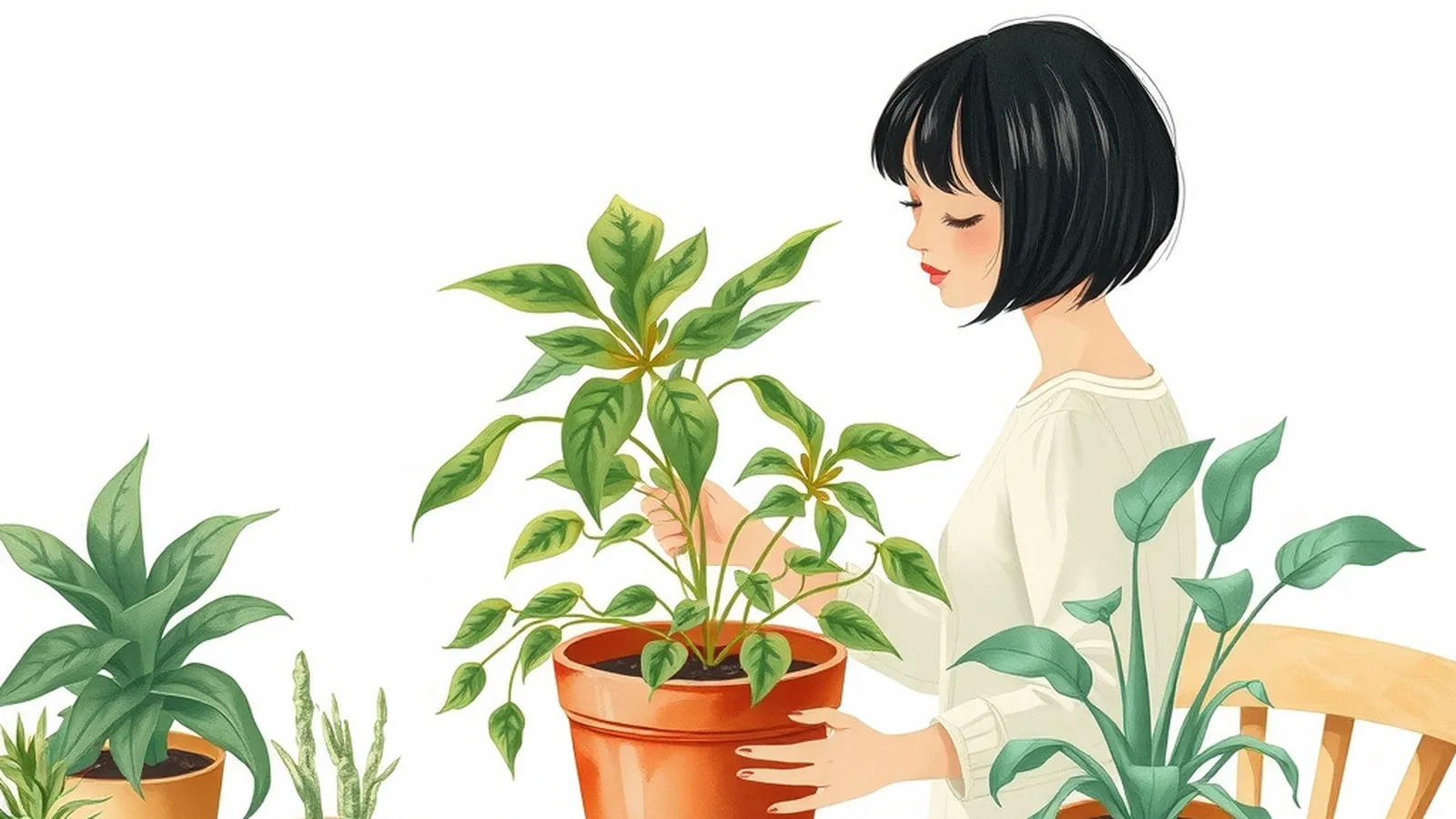
Repot a houseplant when its roots fill the pot, usually in spring, by moving it into a container only 1 to 2 inches wider with a drainage hole and fresh potting mix. Gently loosen circling roots, set the plant at the same depth it grew before, water to settle the soil, and keep it out of harsh sun for a week or so. Most plants need this every year or two, while slow growers can go longer.
Repotting is one of the core care skills in our Houseplants section, and it's less nerve-racking than it looks. Here's how to tell when it's time and how to do it.
Signs your plant needs a new pot
Not every plant that looks unhappy needs repotting. Look for these signs:
- Roots growing out of the drainage hole or circling on top of the soil.
- Water running straight through without soaking in, because roots have taken up most of the space.
- Soil drying out much faster than it used to.
- The plant tipping over because it's top-heavy for its pot.
- Growth stalling in spring and summer even with good light and care.
- Old, broken-down soil that has shrunk away from the sides or stays crusty.
To check, tip the plant on its side, support the base of the stems with one hand and slide the pot off. If you see more roots than soil, it's time.
A plant with yellow leaves and soggy soil may need a pot change for a different reason: root rot. Our guide to yellow leaves helps you tell a crowded-roots problem from a watering or light problem before you reach for a new pot.
When not to repot
- Right after you bring a plant home. Give it a few weeks to adjust first, unless it's sitting in soggy soil.
- When it's flowering. Wait until blooms fade.
- In the dead of winter, unless there's rot or a broken pot.
- Because it's "been a year." Many plants, including snake plants and ZZ plants, are fine slightly snug.
Choosing the right pot
| Pot feature | What to choose | Why |
|---|---|---|
| Size | 1 to 2 inches wider than the current pot | Too much extra soil stays wet |
| Drainage | At least one hole in the bottom | Lets extra water escape |
| Unglazed clay | Plants that like drying out, such as succulents | Breathes and dries faster |
| Plastic or glazed ceramic | Plants that like steady moisture, such as ferns | Holds water longer |
| Shape | Wider than deep for shallow-rooted plants | Matches how roots spread |
Outdoor container growing follows the same principles on a larger scale. If you're also growing on a patio or balcony, our guide to container gardening covers pot size and drainage for vegetables and flowers.
Choosing potting mix
Use a bagged potting mix labeled for indoor plants or containers. Garden soil and topsoil pack down in pots and drain poorly.
- Leafy tropicals (pothos, philodendron, peace lily): standard indoor potting mix.
- Succulents and cacti: a cactus mix, or standard mix with extra perlite or coarse sand for drainage.
- Orchids: a chunky bark-based orchid mix, never regular potting soil.
- Aroids that climb (monstera, larger philodendrons): standard mix with added bark or perlite for air.
Wear gloves and consider a dust mask when handling dry, dusty mix, and moisten it slightly before using to keep dust down.
How to repot, step by step
- Water a day ahead. Slightly moist roots slide out more easily and handle the move better.
- Set up your space. Lay down newspaper or work outside or over a sink. Have your new pot, mix, gloves and a clean pair of scissors ready.
- Add a base layer of mix to the new pot so the top of the root ball will sit about an inch below the rim.
- Remove the plant. Turn it sideways, hold the base of the stems and tap or squeeze the old pot. Don't pull by the leaves.
- Loosen the roots. Gently tease apart roots that circle the outside. If they're tightly matted, make a few shallow vertical cuts with clean scissors to encourage new outward growth.
- Check root health. Healthy roots are firm and white, tan or orange depending on the plant. Trim away any that are black, mushy or smell bad.
- Position the plant in the center at the same depth it grew before. Burying stems deeper can cause rot.
- Fill around the sides with fresh mix, pressing lightly to remove large air pockets without packing it hard.
- Water thoroughly until it drains, then let it finish draining.
- Top up the mix if it settled, keeping the level below the rim so water has room to pool before soaking in.
Example: Riley's spider plant has roots poking out the bottom of its 4-inch pot and dries out every two days in summer. They move it to a 6-inch plastic pot with drainage, loosen the circling roots, and use fresh indoor potting mix. A few of the baby plantlets dangling from the stems are perfect for starting new plants, so Riley snips them off to root separately.
Aftercare
- Keep it out of direct sun for about a week while roots recover.
- Don't fertilize for a month or so. Fresh mix usually has nutrients, and stressed roots burn easily.
- Wait to water again until the soil dries to the plant's usual depth. Fresh mix in a slightly larger pot may stay damp longer than you expect, so our guide to watering houseplants is worth a reread now.
- Expect a little drooping. Some wilting or a dropped leaf in the first week is normal.
Splitting instead of sizing up
If a plant has outgrown every pot you'd want in your home, dividing it is often better than moving it into something huge. Plants that grow in clumps, such as snake plants, peace lilies and cast iron plants, can be split into smaller plants at repotting time. Our propagation guide explains division along with cuttings, so you can turn one crowded plant into several.
Something to do this weekend
Slide one plant you've had for more than a year out of its pot and look at the roots. If they're circling thickly, gather a pot 1 to 2 inches wider with a drainage hole and a bag of the right mix, and repot it using the steps above. If the roots still have room, slide it back in and check again next spring.
Want a step-by-step plan or guide?
Some people like the structure of a paid guide or set of plans. This button opens a third-party program from one of our advertising partners. Its claims are its own, not ours, so weigh them against our checklist for judging paid plans.
See the partner program →We may be paid when you click. The program shown can change. Read its terms before you buy anything. How this works
Frequently asked questions
When is the best time to repot a houseplant?
Spring and early summer are usually best, because the plant is growing actively and recovers quickly. Repot in other seasons only if there's an urgent problem, such as root rot.
How much bigger should the new pot be?
Usually only 1 to 2 inches wider than the old one for small and medium plants. A much larger pot holds extra wet soil that can rot roots.
Should I water right after repotting?
Yes, water thoroughly to settle the mix around the roots and let it drain. Then wait until the soil dries to the usual depth before watering again.