Container Gardening for Beginners
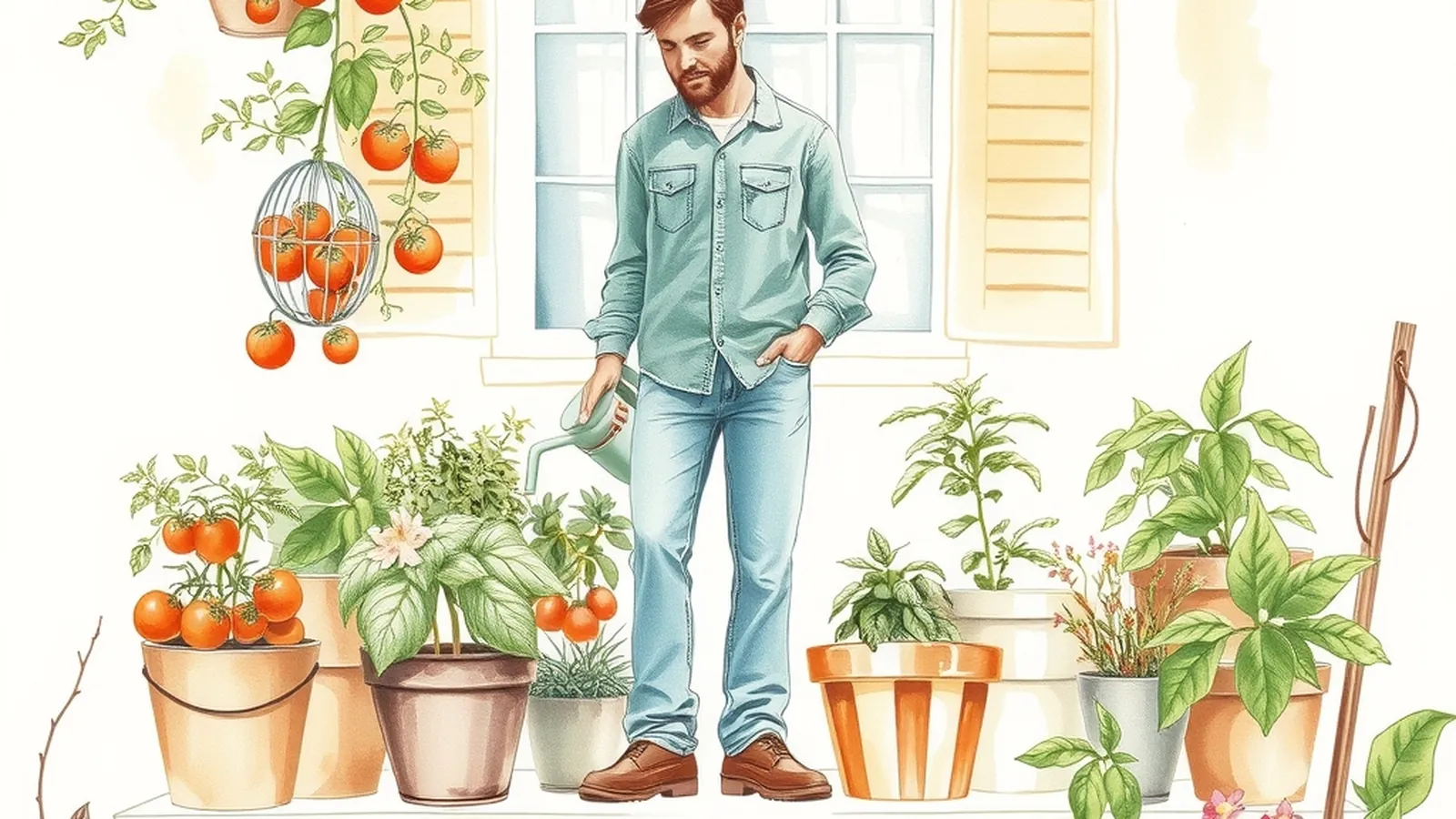
Container gardening comes down to four habits: pick a pot big enough for the plant's roots, make sure water can drain out the bottom, fill it with potting mix rather than garden soil, and water and feed more often than you would in the ground. Get those right and you can grow herbs, greens, tomatoes and flowers on a patio, step or windowsill.
Pots are the most flexible tool in our Small Spaces section, because you can move them to follow the sun, take them with you when you move, and start with just one.
Why containers work for beginners
A pot is a small, contained experiment. If something goes wrong, it's one plant, not a whole bed. You can shift containers out of a harsh afternoon sun, pull them in before a storm, and group them where you'll see them every day. Seeing a plant often is the best way to catch thirst or pests early.
The trade-off is that a pot holds a limited amount of soil and water. Plants depend on you more than they would in the ground.
Choosing a pot size
Bigger is usually easier. More soil holds more water, so a large pot dries out more slowly and gives roots room to spread. Here's a rough guide:
| Plant | Suggested container | Notes |
|---|---|---|
| Single herb (basil, parsley, chives) | 6 to 8 inches across | A windowsill pot works |
| Salad greens | Wide, shallow pot or window box, 6+ inches deep | Roots are shallow |
| Peppers or compact tomatoes | 5 gallons or larger | Look for "patio" or "dwarf" types |
| Full-size tomatoes | 10 gallons or larger | Will need a stake or cage |
| Potatoes | Grow bag, 10 gallons or larger | Room to add soil as they grow |
| Strawberries | Wide pot or hanging basket | Several plants per pot |
When in doubt, size up.
Materials compared
- Plastic. Light, inexpensive and slow to dry out. Can crack after years in the sun.
- Terracotta (unglazed clay). Breathes, so soil dries faster. Good for herbs that like it on the dry side; heavier and can crack in freezing weather.
- Glazed ceramic. Attractive and holds moisture well. Heavy, so place it before you fill it.
- Fabric grow bags. Light, foldable and good for root health. Dry out quickly in heat.
- Wood boxes. Look natural and insulate roots. Will break down over time.
Drainage: the non-negotiable
Every container needs at least one hole in the bottom. Water that can't escape collects at the base, and roots sitting in that soggy layer can rot. A few tips:
- Skip the old advice to put gravel in the bottom. It doesn't improve drainage and takes up root space.
- A piece of mesh or a coffee filter over the hole keeps soil from washing out.
- Set pots on feet or a slatted shelf so the hole isn't sealed against the ground.
- Empty saucers after watering so pots don't sit in standing water.
Potting mix, not garden soil
Bagged potting mix is made to stay light and airy in a pot. It usually contains materials such as peat or coir, bark and perlite. Garden soil packs down when confined, which slows drainage and starves roots of air.
Some potting mixes include fertilizer. Read the bag so you know whether to start feeding right away or wait a few weeks. If you're moving a plant from one pot to a bigger one, our guide on how to repot a plant covers loosening roots and settling them into fresh mix, and the same steps apply outdoors.
Watering more often
Containers lose water fast, especially small pots, dark pots and anything in full sun or wind. Instead of watering on a fixed schedule, check:
- Push a finger about an inch into the soil.
- If it's dry at that depth, water slowly until a little runs out the bottom.
- If it's still damp, check again tomorrow.
Water in the morning when you can. On hot summer days, larger plants in smaller pots may need water every day. A self-watering container with a reservoir can buy you time on busy weeks.
Feeding container plants
Because you water pots so often, nutrients wash out faster than in beds. Many container gardeners use a balanced fertilizer at a light rate through the season. Always follow the product label for how much and how often. If you're not sure what the three numbers on a fertilizer bag mean, our fertilizer basics guide explains them.
A sample starter setup
Example (fictional): Sam has a small back step that gets sun from late morning on. They started with three containers: a 5-gallon pot with a patio tomato and a cage, a wide window box of loose-leaf lettuce, and an 8-inch pot of basil. Sam set the pots on a slatted shelf near the back door, checked them every morning with coffee, and kept a note of which pot dried out fastest. The tomato pot needed water most; the lettuce box needed it least.
Common beginner mistakes
- Choosing a pot that's too small for the plant
- Using garden soil or reusing old, tired mix without refreshing it
- Watering on a schedule instead of checking the soil
- Placing sun-loving crops in shade because that's where the space was
- Forgetting to feed after the first month
Refreshing pots between seasons
Old potting mix breaks down and packs over time. At the end of a season, pull out spent plants, loosen the mix and remove old roots. Many gardeners replace part of the mix with fresh potting mix and some compost before replanting. Scrub empty pots with soapy water and rinse them well so they're ready next spring.
Where to go next
- If your containers will live up high, the balcony garden guide covers wind, weight and lease rules that matter on upper floors.
- Short on floor space? Vertical gardening shows how to use rail planters, wall pockets and trellises above your pots.
- If you have a patch of ground and want more growing room with less watering, compare pots with a raised bed.
Something to do today
Gather the pots you already own and check each one for a drainage hole. Set aside any without one to use as decorative covers. Then pick one easy plant, such as basil or lettuce, and match it to the right size pot from the table above.
Want a step-by-step plan or guide?
Some people like the structure of a paid guide or set of plans. This button opens a third-party program from one of our advertising partners. Its claims are its own, not ours, so weigh them against our checklist for judging paid plans.
See the partner program →We may be paid when you click. The program shown can change. Read its terms before you buy anything. How this works
Frequently asked questions
Can I use soil from my yard in a pot?
It's best not to. Garden soil tends to pack down in a container, which squeezes out air and slows drainage. A bagged potting mix stays lighter and fluffier, which is what roots in a pot need.
How often should I water container plants?
There's no single schedule. Check the soil every day or two by pushing a finger in about an inch, and water when it feels dry at that depth. In hot, windy weather some pots need water daily, while in cool weather they may go several days.
Do pots have to have drainage holes?
Yes, for nearly all edible plants. Without a way for extra water to escape, roots can sit in soggy soil and rot. If you love a pot that has no hole, use it as a decorative outer cover around a plain pot that drains.