How to Build a Raised Garden Bed
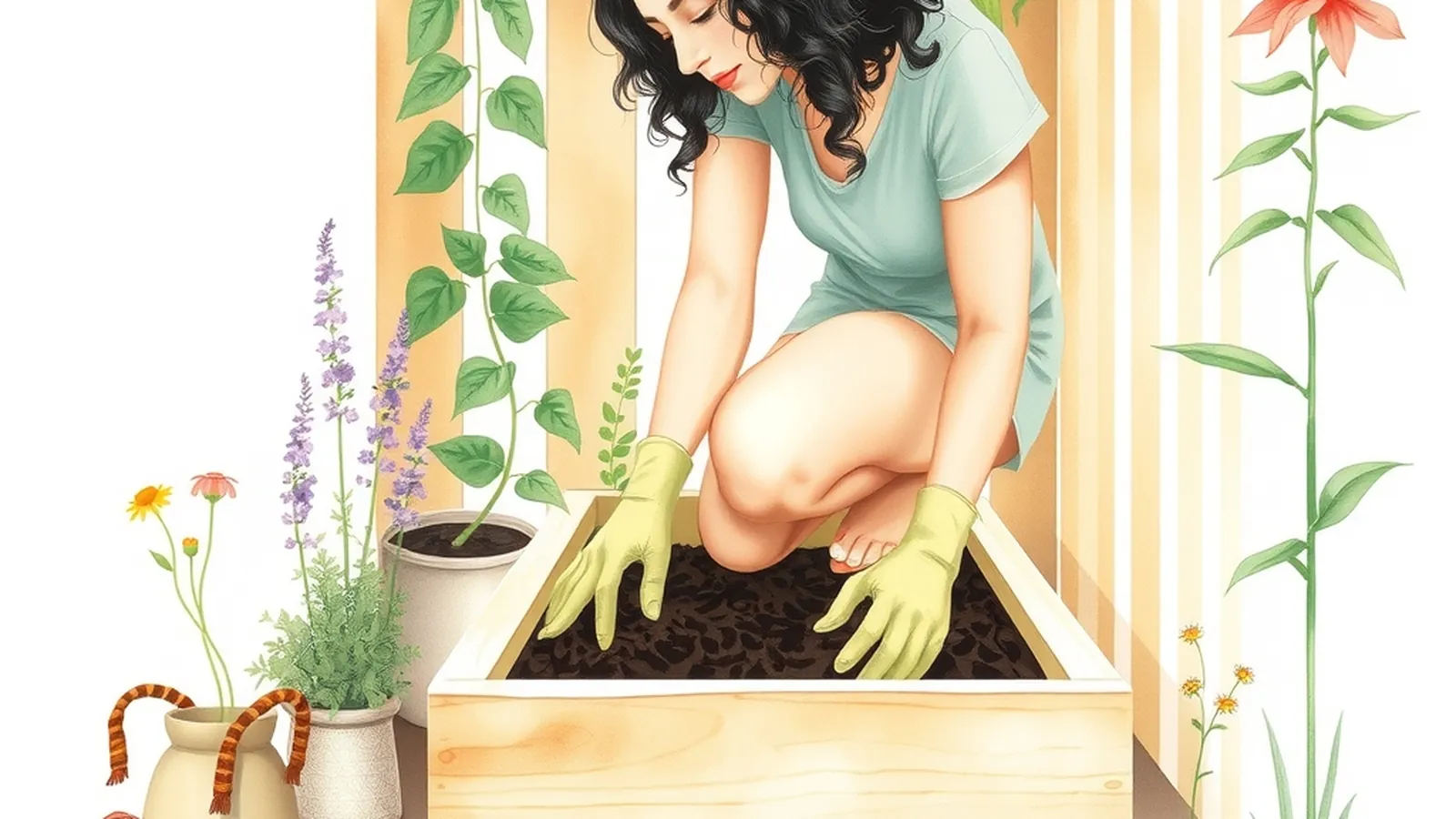
To build a raised garden bed, choose a sunny, level spot, make a frame no wider than you can comfortably reach across (about 3 to 4 feet for most people), fill it with a mix of good topsoil and compost, and water it well before planting. A basic rectangular bed is one of the most beginner-friendly woodworking projects there is, and you can finish one in a weekend.
Raised beds are a staple of our Small Spaces section because they let you grow a surprising amount in a strip of yard, a side lot or a corner of a patio. Here's how to plan, build and fill one.
Why grow in a raised bed?
A raised bed gives you control. You decide what soil goes in, you can reach every plant without stepping on the growing area, and the soil tends to warm and drain faster in spring than heavy ground does. Beds also make a small garden look tidy, which matters when it sits next to a neighbor's fence or a shared walkway.
They aren't perfect. Raised soil can dry out faster in hot weather, and filling a bed takes more soil than most people expect. Plan for both.
Step 1: Pick the spot
Look for these things, roughly in order of importance:
- Sun. Most vegetables want at least six hours of direct sun. Leafy greens and herbs can manage with less.
- Water access. A bed near a faucet gets watered. A bed at the far end of the yard often doesn't.
- Level ground. A slight slope is fine if you level the frame with soil or shims.
- Space to walk around it. Leave a path wide enough for you and a wheelbarrow or watering can.
If you plan to sink posts or dig more than a shallow trench, call 811 first so utility lines can be marked. Our guide to planting trees and shrubs explains how that free service works.
Step 2: Choose a size
| Dimension | A good starting point | Why |
|---|---|---|
| Width | 3 to 4 feet | You can reach the middle from either side |
| Length | 4 to 8 feet | Long enough to be useful, short enough to walk around |
| Height | 8 to 12 inches | Enough root room for most crops |
| Path between beds | 2 feet or more | Room to kneel and push a cart |
If the bed backs against a fence or wall, keep it closer to 2 feet wide, since you can only reach from one side.
Step 3: Pick a material
You can build a frame from several materials. Each has trade-offs:
- Untreated wood. Easy to cut and assemble. Some types resist rot better than others, but all wood eventually breaks down and will need replacing.
- Metal panels or kits. Long lasting and slim. They can heat up in strong sun, so keep the soil mulched and watered.
- Stone, brick or concrete block. Durable and good-looking, but heavy and harder to move if you rent.
- Fabric beds. Light, portable and quick to set up. They dry out faster than solid sides.
If you're unsure whether a particular reclaimed or treated material is a good choice for growing food, ask your local Cooperative Extension office. Our guide to free gardening and home help explains how to find yours.
Step 4: Build the frame
For a simple wooden bed, the process looks like this:
- Cut four boards to length (two long sides and two short ends), or have the store cut them.
- Set the boards on a flat surface and attach them at the corners with exterior screws. A short corner post inside each joint makes the box sturdier.
- Check that the frame is square by measuring both diagonals. They should match.
- Move the frame into place and level it.
Wear safety glasses when drilling or cutting, and hearing protection if you use a power saw. For step-by-step help with cuts, screws and simple joints, our guide to easy woodworking projects walks through a raised bed alongside a planter box and a bench.
Step 5: Fill it with soil
This is where your bed earns its keep. A common approach is to blend good-quality topsoil with compost. Many bagged and bulk mixes are labeled for raised beds, and they're a reasonable choice if you'd rather not mix your own.
- If the bed sits on grass, lay plain cardboard on the bottom first, overlapping the edges.
- Fill to within an inch or two of the top. Soil settles, so expect to top it up later.
- Water the fill thoroughly and let it settle for a day before planting.
A soil test can tell you whether your fill needs adjusting. Our guide on how to test garden soil explains what a test shows and how to send one in.
What to plant first
Choose easy, quick crops for your first season so you get some wins:
- Lettuce, spinach and other salad greens
- Radishes and bush beans
- Herbs such as basil, parsley and chives
- One or two compact tomato or pepper plants
Planting times depend on your zone and frost dates. Your local Extension office can tell you when to start in your area.
Example: a first bed on a side lot
Example (fictional): Jordan rents a duplex with a narrow side yard that gets afternoon sun. They got the landlord's okay, built one 3-by-6-foot freestanding wooden bed on a Saturday, and filled it with a raised bed mix on Sunday. The first spring they planted lettuce, radishes and a row of bush beans, with one tomato at the sunniest end. By midsummer they knew the far corner was too shady for tomatoes and planned to put herbs there next year.
Related ideas for small spaces
- If you don't have ground to build on, container gardening gives you the same soil control in pots you can move.
- A balcony garden is the next step for apartment growers, with tips on weight and wind that matter more up high.
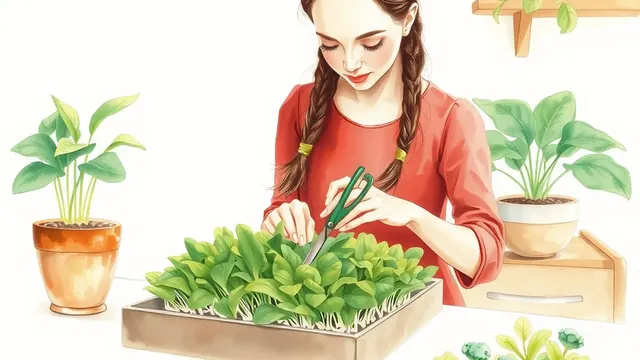
- Want a harvest while your bed is still settling? Microgreens grow on a windowsill and are ready in a couple of weeks.
Something to do this weekend
Measure the sunniest open spot you have and sketch a bed on paper with the width and length from the table above. Note how far it sits from your faucet. If you rent, send your landlord a short message asking whether a freestanding bed is okay.
Want a step-by-step plan or guide?
Some people like the structure of a paid guide or set of plans. This button opens a third-party program from one of our advertising partners. Its claims are its own, not ours, so weigh them against our checklist for judging paid plans.
See the partner program →We may be paid when you click. The program shown can change. Read its terms before you buy anything. How this works
Frequently asked questions
How deep should a raised garden bed be?
Many home gardeners build beds somewhere around 8 to 12 inches tall, which suits most vegetables and herbs. Go taller if your ground is rocky or compacted, or if bending is hard on your back, keeping in mind that a taller bed takes more soil to fill.
Should I put anything on the bottom of a raised bed?
If the bed sits on lawn, a layer of plain cardboard can help smother grass while roots grow down into the ground over time. If burrowing animals are a problem in your area, some gardeners add hardware cloth under the bed before filling it.
Can I build a raised bed if I rent?
Often, yes, but ask your landlord first and get the answer in writing. A freestanding bed that sits on top of the ground is easier to remove when you move than one dug in or anchored with posts.