Easy Woodworking Projects for Beginners
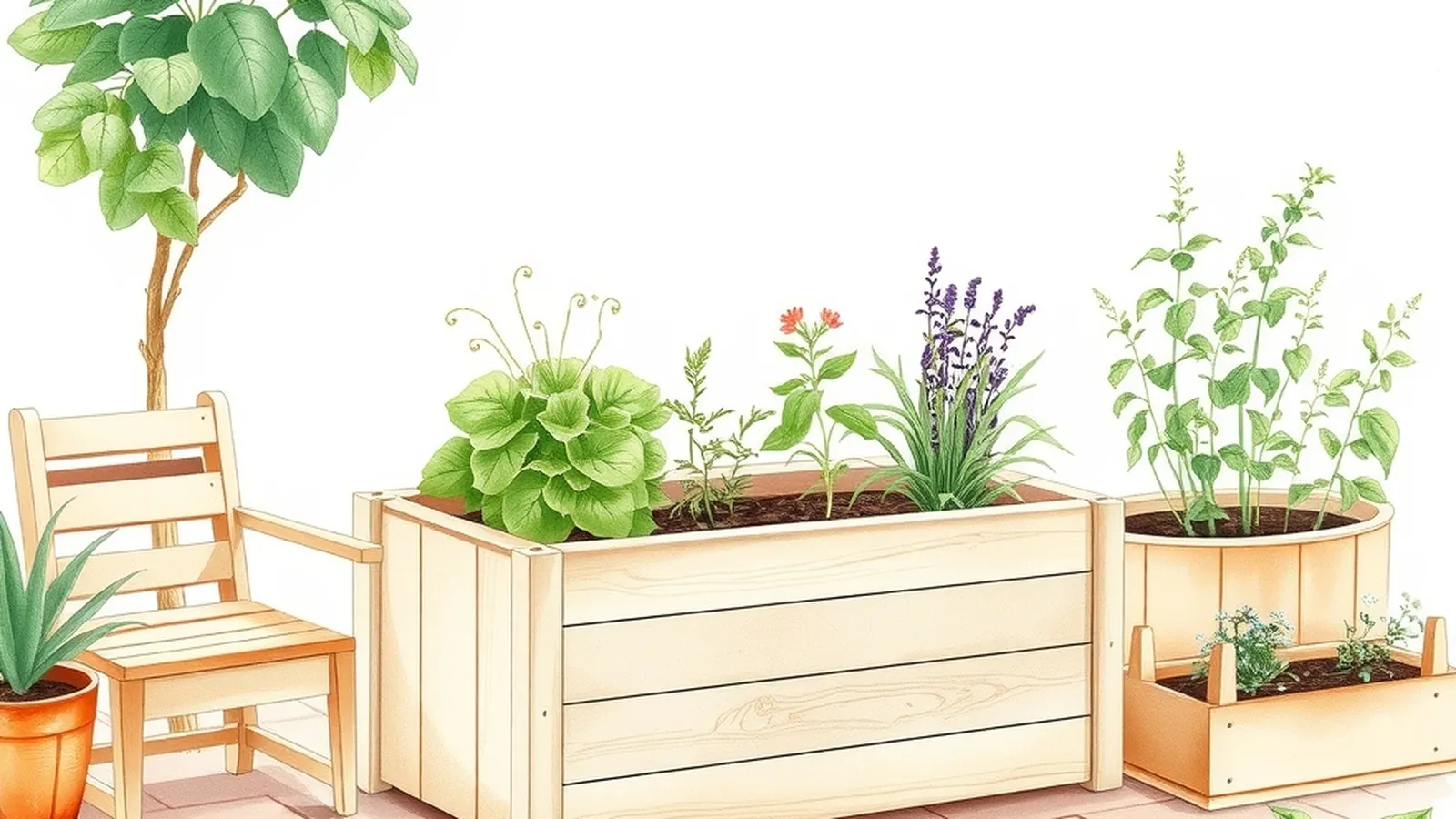
The easiest woodworking projects for beginners use straight cuts, screws and glue: a planter box, a wall shelf, a raised garden bed and a simple bench are all good choices. Each one teaches a skill you'll use again, and each is useful the day you finish it. Below, each project is described step by step in general terms so you can see what's involved before you pick a detailed plan.
These builds are the hands-on companion to the safety and tool basics in our guide to woodworking for beginners, and part of our wider DIY & Repairs section.
Before any project
- Wear safety glasses, hearing protection for power tools and a dust mask when sanding.
- Read your plan from start to finish before you cut.
- Write a cut list and label each piece as you cut it.
- Drill pilot holes to keep boards from splitting.
- Check for square by measuring both diagonals of a box or frame. If they match, it's square.
If you want a detailed plan, our guide to choosing woodworking and DIY plans explains what a good one includes, such as clear cut lists and sample pages you can see before buying.
Project 1: A planter box
Skills you'll learn: square cuts, butt joints, drainage holes.
Tools: saw, drill, square, clamps, sanding block.
General steps:
- Cut four side pieces: two long and two short, all the same height.
- Glue and screw the short pieces between the long ones to form a box. Check for square.
- Cut a bottom panel or a few slats to fit inside, resting on small cleats screwed to the inside walls.
- Drill several drainage holes in the bottom.
- Sand edges smooth.
- Finish with an exterior paint or finish labeled for outdoor use, following the label for drying time.
For food plants, many gardeners line the box or skip finishes on the inside; check the product label for guidance on contact with soil and plants.
Project 2: A simple wall shelf
Skills you'll learn: measuring, sanding, finishing, mounting.
Tools: saw, drill, sander or block, level, stud finder.
General steps:
- Cut a shelf board to length and sand all faces and edges.
- Choose brackets rated for the weight you plan to store.
- Paint or stain the shelf and let it dry fully.
- Mount the brackets into studs or properly rated anchors, then attach the shelf.
Our guide to hanging shelves walks through finding studs, choosing anchors and keeping everything level.
Project 3: A raised garden bed
Skills you'll learn: working with longer boards, corner posts, building outdoors.
Tools: saw (or store-cut boards), drill, square, level, tape measure.
General steps:
- Choose a width that lets you reach the middle from either long side, so you never need to step on the soil.
- Cut four side boards and four corner posts.
- Screw the side boards to the corner posts to form a rectangle. Check for square with diagonal measurements.
- Set the frame on level ground in a sunny spot and adjust until it sits flat.
- Fill with a mix of garden soil and compost.
For food beds, many gardeners choose untreated, naturally rot-resistant wood. Ask your local Cooperative Extension office if you're considering treated lumber. For more on size, placement and filling, see our guide to building a raised garden bed.
Project 4: A simple bench
Skills you'll learn: load-bearing joints, aprons and stretchers, stability.
Tools: saw, drill, clamps, square, sander.
General steps:
- Follow a tested plan for this one. A bench holds people, so joint design and screw placement matter.
- Cut legs, aprons (the boards that connect the legs under the seat) and seat boards per the cut list.
- Assemble two leg frames with glue and screws, and check each for square.
- Connect the leg frames with aprons and, if the plan includes them, lower stretchers for stiffness.
- Attach the seat boards, leaving the small gaps the plan calls for.
- Sand all edges, then finish.
- Test it carefully by pressing down and rocking it before anyone sits.
If anything flexes, creaks or wobbles, add bracing or rebuild the joint before using it.
Comparing the four projects
| Project | Difficulty | Time (general) | Key skill |
|---|---|---|---|
| Planter box | Easy | An afternoon | Square boxes |
| Wall shelf | Easy | An afternoon plus drying | Finishing and mounting |
| Raised bed | Easy to moderate | A day | Long boards, leveling |
| Bench | Moderate | A weekend | Load-bearing joints |
Times vary with your tools, experience and drying times.
Picking a finish for each project
Indoor pieces like a wall shelf can take interior paint, stain or a clear water-based topcoat. Outdoor pieces like a bench or planter need a product labeled for exterior use, and they'll need refreshing as sun and rain wear it down. Whatever you choose, apply thin coats in a ventilated space, let each coat dry as the label directs, and test the color on a scrap from the same board first.
Keeping your projects in good shape
Outdoor projects weather over time. Adding a quick check of planters, benches and raised beds to your home maintenance checklist helps you catch loose screws and worn finishes early. When an older piece starts looking tired, our guide to refinishing furniture covers cleaning, sanding and choosing between stain and paint.
A worked example: a weekend planter
Example: Quinn, 30, wants a planter for herbs on their patio. They buy two pine boards, have them cut to the lengths on their cut list, and assemble the box on Saturday morning with glue and screws. After drilling drainage holes and sanding, they apply an exterior finish and let it dry overnight. On Sunday, they fill it with potting mix and plant herbs.
Something to do this weekend
Pick one project from this page and write your own cut list on paper: every piece, its length and width, and how many you need. Bring the list to a lumber store, buy the boards and ask whether they can make the cuts. You'll be ready to build next weekend.
Want a step-by-step plan or guide?
Some people like the structure of a paid guide or set of plans. This button opens a third-party program from one of our advertising partners. Its claims are its own, not ours, so weigh them against our checklist for judging paid plans.
See the partner program →We may be paid when you click. The program shown can change. Read its terms before you buy anything. How this works
Frequently asked questions
What is the easiest woodworking project for a beginner?
A simple planter box or a basic wall shelf is a good first build. Both use straight cuts, screws and glue, and small mistakes are easy to sand or hide.
What wood should I use for a raised garden bed?
Many gardeners choose untreated, naturally rot-resistant wood for beds that will grow food. If you're considering treated lumber, read the tag and ask your local Cooperative Extension office for guidance.
Do I need a plan for a simple project?
A written plan with a cut list helps even on small builds, because it keeps your pieces consistent. You can draw your own on paper or use a plan, and follow its tool and materials lists.