Woodworking for Beginners
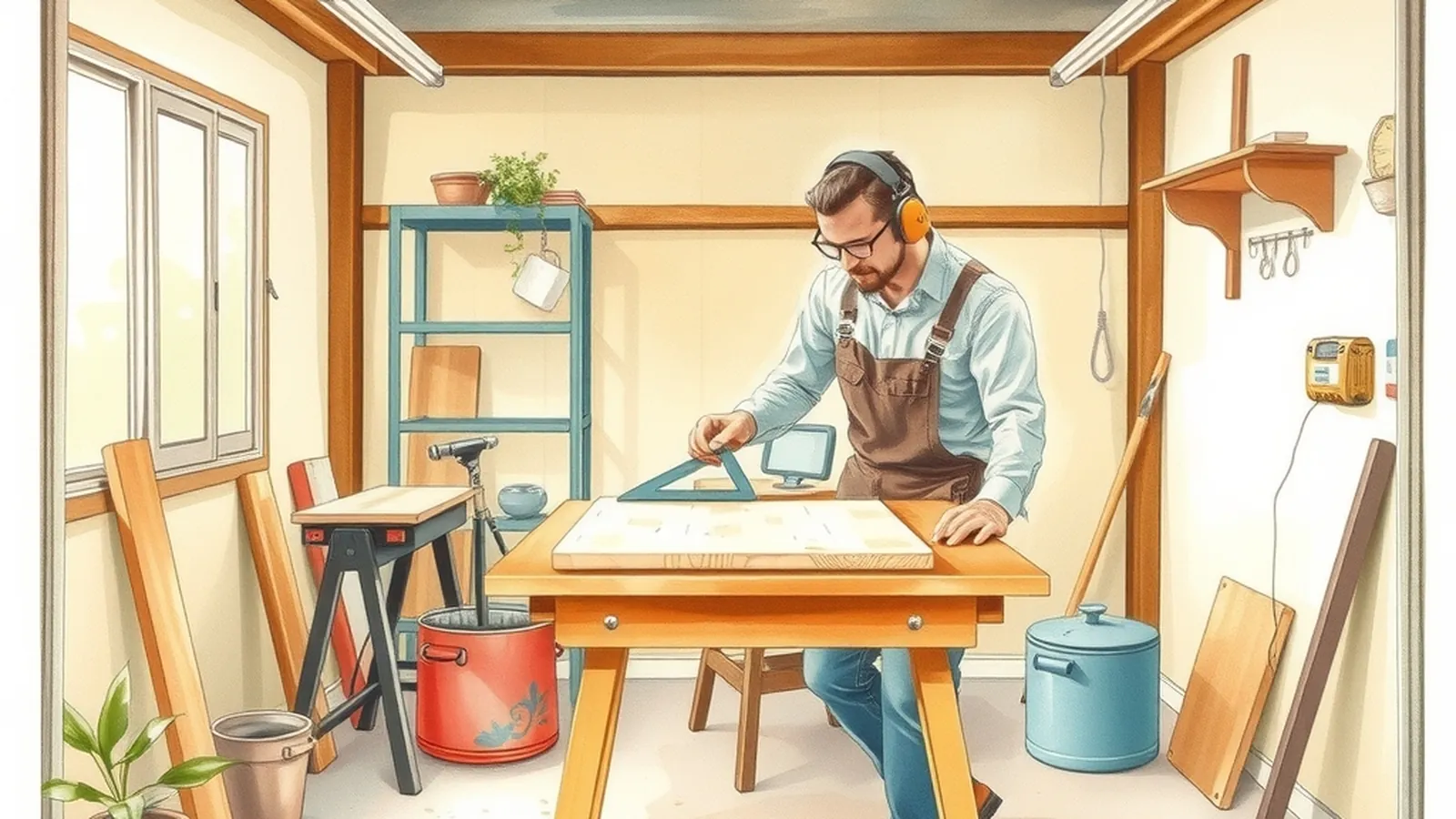
Woodworking for beginners starts with three things: the right safety gear, a small set of hand and power tools you know how to use, and a simple plan you can follow from cut list to finish. You don't need a full shop. A drill, a saw, clamps and a flat place to work are enough for many first projects.
Building things is the creative side of our DIY & Repairs section, and it's a skill that grows fastest when you start small and finish what you start.
Safety gear and shop habits
Wood shops are full of sharp edges and fast-moving blades. These habits matter more than any tool.
- Safety glasses every time a saw, drill, sander or hammer is in use, for you and anyone nearby.
- Hearing protection with power saws, routers and sanders.
- A dust mask or respirator rated for fine particles while sanding or cutting, and especially with pressure-treated lumber or MDF.
- Fitted clothing. Roll up loose sleeves, remove jewelry and tie back long hair. Anything that can catch can pull you toward a spinning blade.
- Read the tool manual. Each tool has its own guards, settings and warnings.
- Clamp your work. Never hold a small piece by hand while cutting it.
- Unplug or remove the battery before changing blades or bits.
- Keep the floor clear of cords and scraps, and work in good light.
- Store finishes and blades out of reach of kids and pets.
Treat gloves with care: they're good for handling rough lumber, but many tool manuals warn against wearing them near spinning blades or bits. Follow the manual.
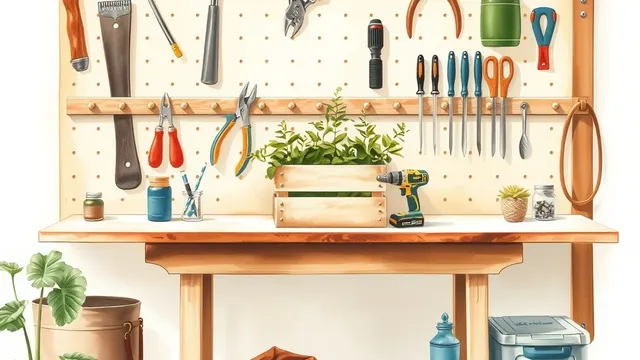
A short starter tool list
| Tool | Why it's useful | Beginner note |
|---|---|---|
| Tape measure and pencil | Every cut starts here | Measure twice, mark clearly |
| Combination or speed square | Marking straight, square lines | Helps cuts come out square |
| Handsaw | Small, careful cuts | Quiet and apartment-friendly |
| Circular saw or miter saw | Faster, straighter cuts in boards | Learn one well before buying another |
| Cordless drill/driver | Pilot holes and screws | Likely the tool you already own |
| Clamps (a few bar clamps) | Holding work and glue-ups | You'll always want more |
| Random orbit sander or sanding block | Smoothing surfaces | Start with medium grit, finish fine |
| Wood glue | Strong joints | Wipe off squeeze-out with a damp rag |
If you're still building a basic home kit, our starter tool list covers the household side.
Choosing lumber
- Start with softwood like pine. It's affordable, cuts easily and takes paint well.
- Sight down each board at the store. Pick ones that are straight, flat and free of big cracks.
- Know nominal vs actual size. A board sold as a "1x4" is smaller than 1 by 4 inches once dried and planed. Plans usually list both, but measure your boards.
- Ask about cuts. Many home centers can make basic cuts, which helps if you don't own a saw yet.
- Pressure-treated lumber resists rot outdoors but needs care: wear a dust mask when cutting, wash your hands afterward, and don't burn scraps. Follow the lumber tag's guidance.
How to read a plan
A good plan usually includes:
- A materials list with board sizes and quantities.
- A cut list showing each piece's final dimensions.
- A tool list, so you know before you start what you'll need.
- Step-by-step instructions with drawings from more than one angle.
- Finishing notes for sanding, paint or stain.
Read the whole plan before you cut anything. Mark each piece with its name from the cut list as you go. If you're thinking about buying plans, our guide to choosing woodworking and DIY plans covers skill levels, sample pages and what to check before you pay.
Basic techniques to practice
Practice on scrap wood before your first real project:
- Measuring and marking a square line across a board.
- Cutting to a line with your saw, staying on the waste side of the mark.
- Drilling pilot holes so screws don't split the wood.
- Countersinking so screw heads sit flush.
- Gluing and clamping two pieces, then wiping off extra glue.
- Sanding through grits from medium to fine, moving with the grain.
Good first projects
Pick something small, useful and forgiving:
- A simple wall shelf
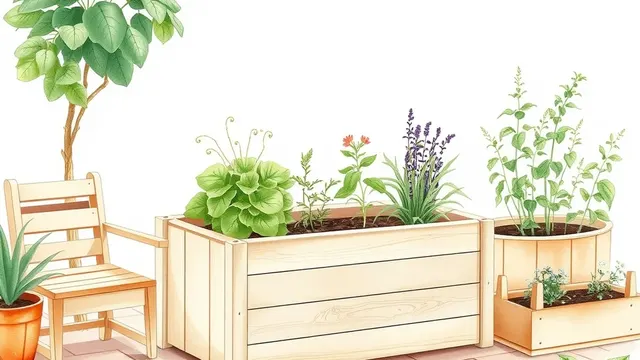
- A planter box
- A step stool
- A small serving tray
- A raised garden bed
Our guide to easy woodworking projects walks through several of these in general steps.
Finishing your work
Sanding, filling and finishing turn a rough build into something you're proud of. Small gaps in painted projects can be filled with paintable caulk or wood filler, and our guide to caulking and weatherstripping covers the basics of choosing and applying caulk. Once you're comfortable with sanding and finishes, refinishing old furniture is a natural next step, and it uses many of the same skills on pieces you already own.
A worked example: a first project in a rental
Example: Jesse, 33, lives in a second-floor apartment and wants to build a plant stand. They have the lumber store cut pine boards to the sizes on their cut list, then assemble the stand on a folding table on a drop cloth using a drill, glue and clamps. They sand by hand with a sanding block, wear a dust mask, and vacuum up afterward. The project takes two evenings and stays well within their building's quiet hours.
Something to do this weekend
Set up a safe work spot, even if it's a folding table on a drop cloth. Gather safety glasses, hearing protection and a dust mask. Then buy a single pine board and practice: mark five square lines, make five cuts, drill and countersink three screws, and sand one face smooth. That practice board will teach you more than any video.
Want a step-by-step plan or guide?
Some people like the structure of a paid guide or set of plans. This button opens a third-party program from one of our advertising partners. Its claims are its own, not ours, so weigh them against our checklist for judging paid plans.
See the partner program →We may be paid when you click. The program shown can change. Read its terms before you buy anything. How this works
Frequently asked questions
What tools do I need to start woodworking?
A tape measure, a combination square, a handsaw or circular saw, a cordless drill, a few clamps, sandpaper or a random orbit sander, wood glue and safety gear will get you through many beginner projects.
Can I do woodworking in an apartment?
Yes, on a small scale. Hand tools, a drill and careful sanding work in many apartments. Have lumber cut to size at the store when possible, keep dust down, respect quiet hours and check your lease.
What wood is best for beginners?
Common softwoods such as pine are affordable, easy to cut and forgiving to sand. Pick straight boards with few knots, and save hardwoods for once you've built a few projects.