Basic Tool Kit for Homeowners and Renters
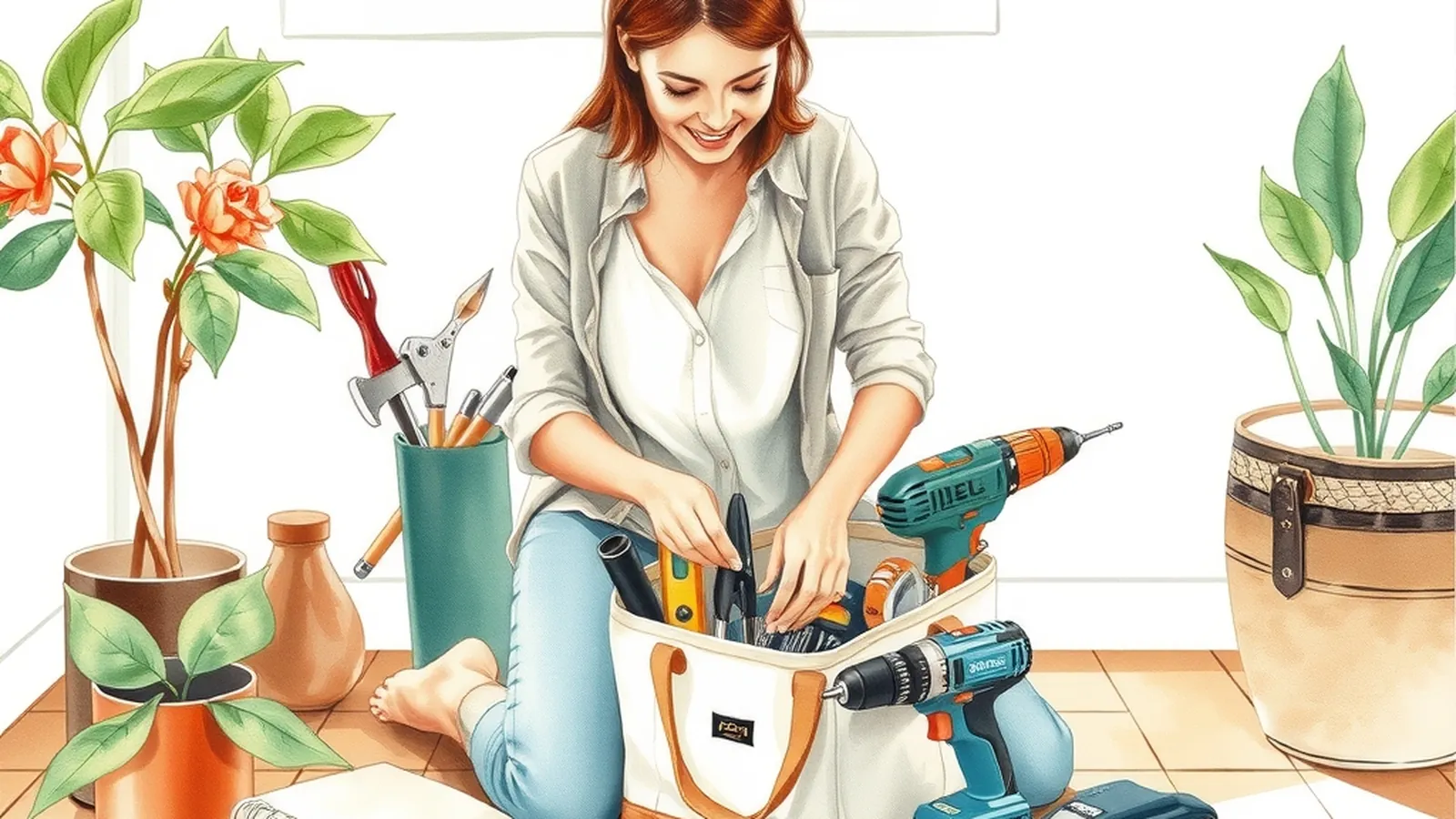
A good basic tool kit for a home is smaller than most people expect: about a dozen hand tools, one cordless drill and some safety gear will handle most of the small repairs a renter or new homeowner runs into. Buy the core pieces first, add tools as real projects call for them, and keep everything in one place so you can find it when a hinge comes loose.
This list is the starting point for everything else in our DIY & Repairs section, where each guide assumes you have roughly these tools on hand.
The core list
These are the tools that earn their space in a closet or under a sink.
| Tool | What you'll use it for |
|---|---|
| 25-foot tape measure | Measuring for shelves, furniture, curtains and paint |
| 16-ounce claw hammer | Nails, picture hooks, pulling old nails |
| Multi-bit screwdriver | Phillips and flat-head screws in one handle |
| Slip-joint and needle-nose pliers | Gripping, bending, pulling small parts |
| Adjustable wrench | Nuts on faucets, furniture and bike parts |
| Utility knife with spare blades | Opening boxes, scoring drywall, trimming caulk |
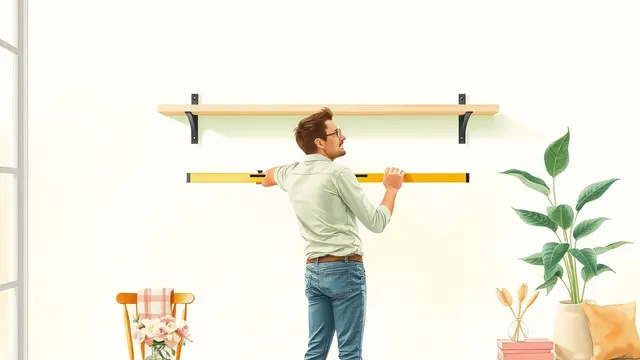
| Torpedo or 24-inch level | Straight shelves and pictures |
| Stud finder | Locating framing behind walls |
| Cordless drill/driver with a bit set | Pilot holes, driving screws, assembling furniture |
| Putty knife | Spackle, scraping, lifting old caulk |
| Caulk gun | Sealing tubs, sinks and window trim |
| Plunger (flange style) | Toilet clogs; a flat cup plunger for sinks |
That's enough to hang most shelves, patch small holes, tighten loose hardware and handle a basic clog.
Safety gear belongs in the kit
Safety gear isn't an extra. Keep it in the same box as the tools so you actually use it.
- Safety glasses for drilling, hammering, sanding and anything overhead.
- Work gloves for rough lumber, sharp edges and handling materials.
- Hearing protection, such as earmuffs or foam plugs, for power tools.
- Dust masks rated for fine particles when you sand or cut drywall.
- A non-contact voltage tester to double-check that a circuit is off before you work near an outlet or switch cover. Turn the breaker off first, and leave actual wiring jobs to a licensed electrician.
- A headlamp or flashlight for under sinks and inside cabinets.
Quality vs price, in general terms
You don't need professional-grade tools to start, but the cheapest option can cost you more in stripped screws and frustration. A few rules of thumb help:
- Spend a bit more on what you'll use constantly. A drill, a tape measure and a screwdriver get used on almost every job. Look for solid construction, a comfortable grip and a decent warranty.
- Hold hand tools before you buy if you can. A hammer should feel balanced. Pliers should close cleanly with no wobble at the joint.
- Choose one battery platform. Cordless tools from the same line often share batteries, which matters later if you add a sander or a saw.
- Skip the giant boxed sets unless the core pieces inside feel sturdy. A hundred-piece set padded with tiny bits isn't better than twelve good tools.
- Borrow or rent specialty tools. Tile saws, floor sanders and long ladders get used once in a while. Some communities have tool-lending libraries, and our guide to free home and garden help covers libraries and other community resources worth checking.
A worked example: building a kit over a few months
Example: Jordan, 29, just moved into a rental apartment. They don't want to spend a lot at once, so they build the kit in stages.
- Move-in week: tape measure, multi-bit screwdriver, hammer, utility knife, plunger and safety glasses. These handle furniture assembly, picture hanging and the first clogged toilet.
- First month: a cordless drill and a level when they decide to put up a bookshelf. They also grab a stud finder, which makes our guide to hanging shelves much easier to follow.
- Second month: a putty knife, spackle and sanding sponge after removing old nails left by the last tenant. Those are exactly what the drywall patching guide calls for, so they can fix the holes before move-out.
- Later: pliers, an adjustable wrench and a caulk gun when the bathroom caulk starts peeling.
By spreading purchases out, Jordan only buys tools that a real job called for.
Storage that keeps tools usable
A tool you can't find is a tool you'll buy twice. Pick one home for everything.
- A tool bag or open tote works well in apartments. It fits on a closet shelf and you can carry it to the job.
- A small toolbox with a removable tray keeps screws, picture hooks and drill bits sorted.
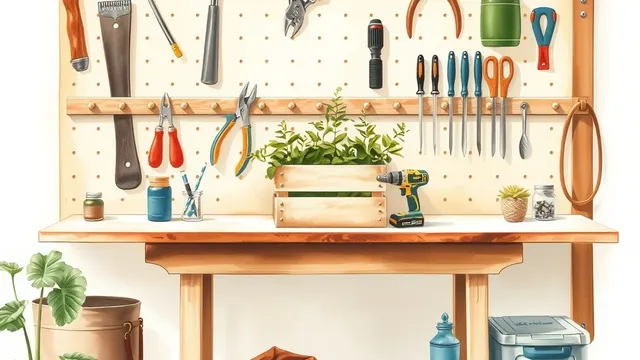
- A pegboard is handy in a garage or basement if you own the space. Outline each tool so you notice when one is missing.
- Keep it dry. Damp basements and sheds can rust hand tools. Wipe tools off after use and store batteries indoors at room temperature, following the manufacturer's guidance.
- Store blades and chemicals up high. Utility knives, caulk, adhesives and paint thinners should sit out of reach of kids and pets, with lids closed.
Garden tools and home tools overlap
If you garden, some tools do double duty. Work gloves, a utility knife, a sturdy bucket and a headlamp all cross over. Pruners and shovels have their own needs, though, and our guide to essential garden tools covers a starter list and how to clean and sharpen them. Keeping garden and household tools in separate bins helps prevent soil and moisture from rusting your indoor kit.
What to skip for now
Beginners often buy tools before they need them. You can safely wait on:
- Table saws, routers and other large power tools.
- Specialty plumbing tools like pipe wrenches, unless a real project calls for one.
- Electrical tools for wiring. Rewiring outlets, adding circuits and working in the panel are jobs for a licensed electrician, and our guide on when to call a pro explains why and how to hire one.
- Anything sold with big promises about fixing every problem in your house. Good tools are plain and simple.
Something to do this weekend
Gather every tool you already own into one spot. Check them against the core list above and write down what's missing. Then buy only the two or three tools you'll need for the next real job on your list, plus safety glasses if you don't own a pair. Put it all in one bag or box and give it a permanent home.
Want a step-by-step plan or guide?
Some people like the structure of a paid guide or set of plans. This button opens a third-party program from one of our advertising partners. Its claims are its own, not ours, so weigh them against our checklist for judging paid plans.
See the partner program →We may be paid when you click. The program shown can change. Read its terms before you buy anything. How this works
Frequently asked questions
What tools should every homeowner have?
Start with a tape measure, a claw hammer, a multi-bit screwdriver, pliers, an adjustable wrench, a utility knife, a level, a stud finder, a cordless drill with bits, safety glasses and work gloves. That set covers most small repairs.
Should I buy a pre-packaged tool kit?
A boxed kit can be a fine start if the core tools feel solid, but many include filler pieces you won't use. Compare what's inside against a starter list and check that the hammer, screwdrivers and pliers feel sturdy in your hand.
Is it worth buying expensive tools as a beginner?
Usually not at first. Buy solid mid-range versions of the tools you'll use often, like a drill and a tape measure, and borrow or rent anything specialized until you know you'll need it again.