DIY vs Hiring a Professional

Do it yourself when the job is small, cosmetic and easy to undo, like patching drywall, painting, caulking or swapping a faucet cartridge. Hire a licensed professional for electrical wiring, gas lines and appliances, structural changes, roofing and major plumbing, and check your local permit rules before any of that work begins. When you're unsure, getting a professional opinion is usually easier than fixing a mistake inside a wall.
Knowing where your skills end is part of every guide in our DIY & Repairs section, and this page pulls those limits into one place.
A quick sorting table
| Usually fine to DIY | Hire a licensed professional |
|---|---|
| Patching small drywall holes | Adding or moving outlets, switches or circuits |
| Painting walls and trim (after lead testing in pre-1978 homes) | Any work inside the electrical panel |
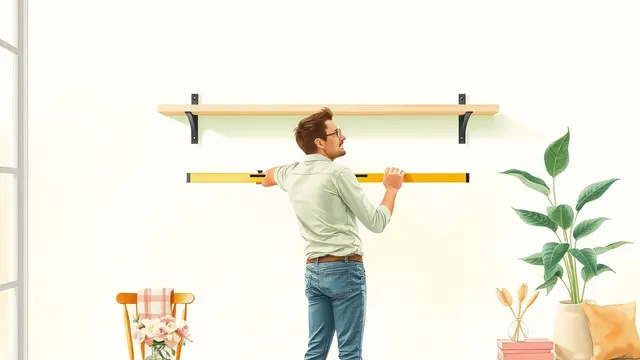
| Hanging shelves into studs or rated anchors | Gas lines, gas appliances and gas water heaters |
| Caulking and weatherstripping | Removing or cutting walls that may be load-bearing |
| Replacing a faucet cartridge or washer | Roofing repairs and replacement |
| Clearing a single slow drain | Moving pipes, main line clogs, water heater replacement |
| Changing HVAC filters | Furnace and AC repairs |
| Refinishing furniture | Large mold problems and lead paint removal |
The left column assumes you shut off water or power first, wear safety glasses and gloves, and follow product labels. Our beginner tool kit covers the tools for most of those jobs, and our guide to hanging shelves shows how to avoid drilling into hidden wires and pipes.
Why some jobs need a licensed pro
Electrical. Mistakes can cause shocks, burns and fires, sometimes long after the work is done. Licensed electricians know the code requirements and how to test their work.
Gas. Leaks can lead to fires, explosions and carbon monoxide exposure. If you smell gas, leave the house immediately, avoid switches and flames, and call 911 or your gas utility from outside.
Structural. Walls, beams, joists and foundations hold your home up. Signs like sagging floors, large cracks or doors that suddenly stick need a professional look, sometimes from a structural engineer.
Roofing. Falls from roofs are a serious risk, and a bad repair can let water in for months before you notice. Use a licensed, insured roofer.
Major plumbing. Main line backups, water heater replacement, moving pipes and anything that needs soldering or cutting into walls belong with a licensed plumber.
Big mold and lead jobs. Large areas of mold, or mold after flooding, may need professional cleanup; see our guide to mold and mildew. Lead paint work in older homes has its own rules, explained in our guide to painting a room.
How permits work
A permit is official approval from your city or county to do certain work, followed by an inspection to confirm it meets code.
- Which jobs need one depends on where you live. Electrical, plumbing, gas, structural, roofing and additions often do. Cosmetic work like painting usually doesn't.
- Who pulls it. Licensed contractors usually handle permits as part of the job. Ask about it in every quote.
- Why it matters. Unpermitted work can cause problems with insurance, inspections and selling your home later.
- Renters: major repairs are generally your landlord's responsibility. Report problems in writing and check your lease and local tenant rules.
Call your local building department or check its website to find out what applies to you.
How to find and hire a licensed professional
- Describe the problem clearly. Write down what you see, when it started and any photos.
- Ask for recommendations from neighbors, friends and coworkers who've had similar work done.
- Check the license with your state or local licensing board, and confirm it covers this type of work.
- Ask for proof of insurance, including liability coverage.
- Get more than one written quote for bigger jobs, with the same scope so you can compare.
- Read reviews carefully. Look for patterns across many reviews rather than a single glowing one. Fake reviews are a real problem, and the FTC has moved to ban them; our guide to home and garden red flags explains how to spot them and other warning signs.
- Get a written contract with the scope, materials, timeline, payment schedule, permit responsibility and cleanup.
Questions to ask before you hire
- Are you licensed and insured for this specific type of work?
- Will you pull the permit, and who schedules the inspection?
- What exactly is included, and what would count as extra?
- Who will be doing the work, you or a subcontractor?
- What warranty, if any, do you offer on labor and materials, and is it in writing?
Warning signs when hiring
- Pressure to sign or pay on the spot.
- Requests for full payment up front or cash only.
- No license number, no address or no written estimate.
- An offer to skip the permit to save time.
- A quote far different from others with no clear reason.
- Someone showing up uninvited after a storm, offering a fast roof repair.
Comparing quotes: a worked example
Example: Robin, 41, notices a sagging section of ceiling below a bathroom. They turn off the water to that bathroom and call two licensed plumbers and a general contractor. They ask each for a written quote covering the leak repair, the drywall, the permit and cleanup. One quote is much lower but leaves out the permit. Robin chooses a contractor whose license they confirmed online and whose quote spells out every step, including who handles the inspection.
Staying ahead so you call less often
You can't prevent every repair, but regular care helps you catch small problems early. Our home maintenance checklist lays out monthly, seasonal and yearly tasks, and it notes which ones are better left to a technician.
Something to do today
Make a short list of trusted contacts for your home: a licensed electrician, a licensed plumber, an HVAC technician and your gas utility's emergency number. Ask friends or neighbors for names, check each license with your state board, and save the list somewhere easy to find. When something goes wrong, you won't have to start from scratch.
Want a step-by-step plan or guide?
Some people like the structure of a paid guide or set of plans. This button opens a third-party program from one of our advertising partners. Its claims are its own, not ours, so weigh them against our checklist for judging paid plans.
See the partner program →We may be paid when you click. The program shown can change. Read its terms before you buy anything. How this works
Frequently asked questions
Do I need a permit for home repairs?
It depends on the job and where you live. Many electrical, plumbing, gas, structural and roofing jobs need a permit, while small cosmetic repairs usually don't. Call or check the website of your city or county building department before you start.
How do I check a contractor's license?
Ask for the license number and look it up with your state or local licensing board, which usually has an online search. Ask for proof of insurance too, and confirm the license covers the type of work you need.
What should I do if I smell gas?
Leave the home right away without flipping switches, using lighters or starting a car in an attached garage. Once you're outside and a safe distance away, call 911 or your gas utility's emergency number.