How to Get Rid of Mold in a House

To get rid of mold in a house, find and fix the moisture problem first, then clean the mold off hard surfaces and dry the area completely. The EPA says the key to mold control is moisture control. Small areas can often be handled yourself, while larger areas or mold caused by contaminated water may need a professional.
This is the most important health-and-safety guide in our Clean & Organized Home section, because cleaning mold without fixing the water behind it means it will come back.
Why moisture comes first
Mold spores are almost everywhere, indoors and out. They only grow into visible patches when they land on something damp. That's why the EPA's guidance starts with moisture: fix the water problem, then clean and dry. If you skip the first step, you're likely to see mold return in the same spot.
Common moisture sources in homes:
- Leaky pipes, faucets and drains under sinks.
- Roof or window leaks.
- Condensation on cold windows, walls or pipes.
- Bathrooms and kitchens without enough ventilation.
- Damp basements and crawl spaces.
- Clothes dryers that aren't vented outside.
- Spills or floods that weren't dried quickly.
Small area or big problem?
The EPA says you can generally clean up a moldy area smaller than about 10 square feet yourself. That's roughly a patch about 3 feet by 3 feet. Larger areas, or mold caused by sewage or flood water, may need a professional.
| Situation | What to do |
|---|---|
| Small spots on a shower, window sill or tile | Clean yourself, then improve ventilation |
| Area smaller than about 10 square feet, from a known and fixed leak | Usually a DIY job with protective gear |
| Area larger than about 10 square feet | Consider a professional |
| Mold from sewage, flood or other contaminated water | Get professional help |
| Mold inside walls, ceilings or heating and cooling ducts | Call a professional |
| Musty smell but no visible mold | Look for hidden leaks; a professional can help find the source |
| Anyone in the home with breathing problems or a weakened immune system | Talk to a doctor and consider professional cleanup |
If the moisture comes from a roof leak, a broken pipe or a plumbing problem behind a wall, hire a licensed roofer or plumber to fix it and check local permit rules.
Gear up before you clean
- Gloves that reach the middle of your forearm.
- Eye protection without vent holes.
- A well-fitting mask designed to filter fine particles.
- Old clothes you can wash right away.
- A window open or a fan blowing air outside.
Keep children and pets out of the room while you work.
How to clean a small moldy area
- Fix the water source and dry the area if it's still damp.
- Scrub hard surfaces such as tile, glass, metal and sealed counters with detergent and water. Use a stiff brush on textured surfaces.
- Wipe clean with fresh water.
- Dry completely with towels and a fan. The faster it dries, the less chance mold has to return.
- Bag and throw away cleaning rags and sponges, or wash them on their own on a hot setting if the label allows.
- Wash your clothes and hands when you're done.
If you choose a product labeled for mold or mildew, follow the label exactly. Never combine a mildew remover that contains bleach with any product containing ammonia or acids. Our natural cleaning guide explains why mixing cleaners is dangerous.
Porous materials are different
Mold can grow into materials that soak up water, such as ceiling tiles, carpet, drywall, insulation and upholstered furniture. These are often hard or impossible to clean fully and may need to be removed and replaced. For carpet or drywall beyond a small spot, a professional can tell you what needs to go.
Fabrics and laundry
Mildew on towels, shower curtains and clothes usually comes from leaving them damp. Wash them following their care labels and dry them completely right away. A washing machine that smells musty may need its seal and drum cleaned per the manual. Our laundry basics guide covers getting things fully dry and keeping the machine fresh.
Prevention: keep things dry
- Run bathroom and kitchen exhaust fans during and after showers and cooking.
- Fix leaks as soon as you notice them.
- Keep indoor humidity in check, using a dehumidifier in damp basements if needed.
- Wipe condensation off windows in cold weather.
- Move furniture a few inches from exterior walls so air can flow.
- Seal gaps around tubs, sinks and windows where water gets in.
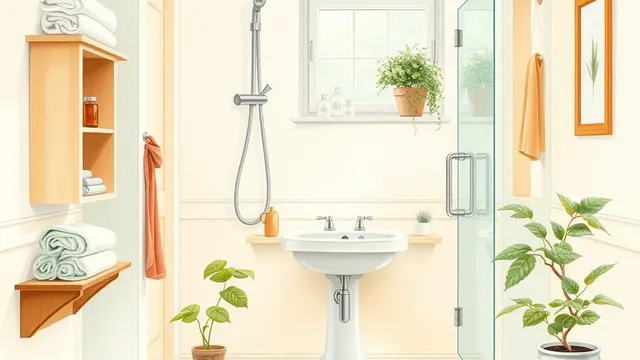
That last point is worth a weekend. Our caulking and weatherstripping guide shows how to seal around tubs, sinks and windows, which helps keep water out of the places mold likes. A regular 15-minute bathroom routine with the fan running also helps keep shower mildew from getting started.
Be wary of permanent-fix claims
Some products promise to wipe out mold forever with no scrubbing. No cleaner fixes the moisture problem behind mold, and claims of a permanent fix are a warning sign. Our checklist of red flags in home and garden products can help you judge them.
Your mold cleanup kit
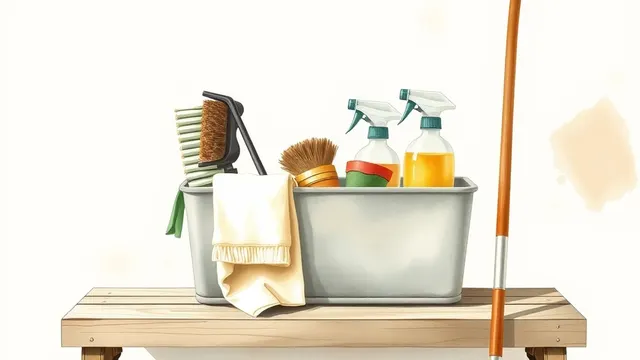
For small jobs, you need detergent, a stiff brush, gloves, eye protection, a mask, towels and a fan. Our cleaning supplies list explains which brushes and cloths are worth keeping on hand.
Example: a window sill
This is a fictional example. Each winter, Jamie found black spots on their bedroom window sill. They realized condensation was collecting overnight. They cleaned the sill with detergent and water, dried it and started wiping the glass each morning and cracking the bedroom door so air could move. They also added weatherstripping around the frame. The spots haven't spread, and Jamie checks the sill weekly.
Something to do today
Walk through your home with a flashlight and check under every sink, around the tub and toilet base, along window sills and in the corners of closets on exterior walls. Note any dampness, drips or musty smells. Fix or report the leaks first, then plan cleanup for small spots.
Want a step-by-step plan or guide?
Some people like the structure of a paid guide or set of plans. This button opens a third-party program from one of our advertising partners. Its claims are its own, not ours, so weigh them against our checklist for judging paid plans.
See the partner program →We may be paid when you click. The program shown can change. Read its terms before you buy anything. How this works
Frequently asked questions
What's the difference between mold and mildew?
Mildew is a common name for mold that grows flat on surfaces, often in showers and on window sills. Both need moisture to grow, and the approach is the same: fix the water problem, clean and dry.
Can I just paint over mold?
No. Painting over mold hides it without fixing it, and paint usually peels when mold grows underneath. Fix the moisture, clean and dry the area completely first.
When should I call a professional for mold?
Call one if the moldy area is larger than about 10 square feet, if mold came from sewage or flood water, if it's inside walls or the HVAC system, or if anyone in the home has health concerns. A plumber or roofer may also be needed to stop the water source.