Backyard Homestead
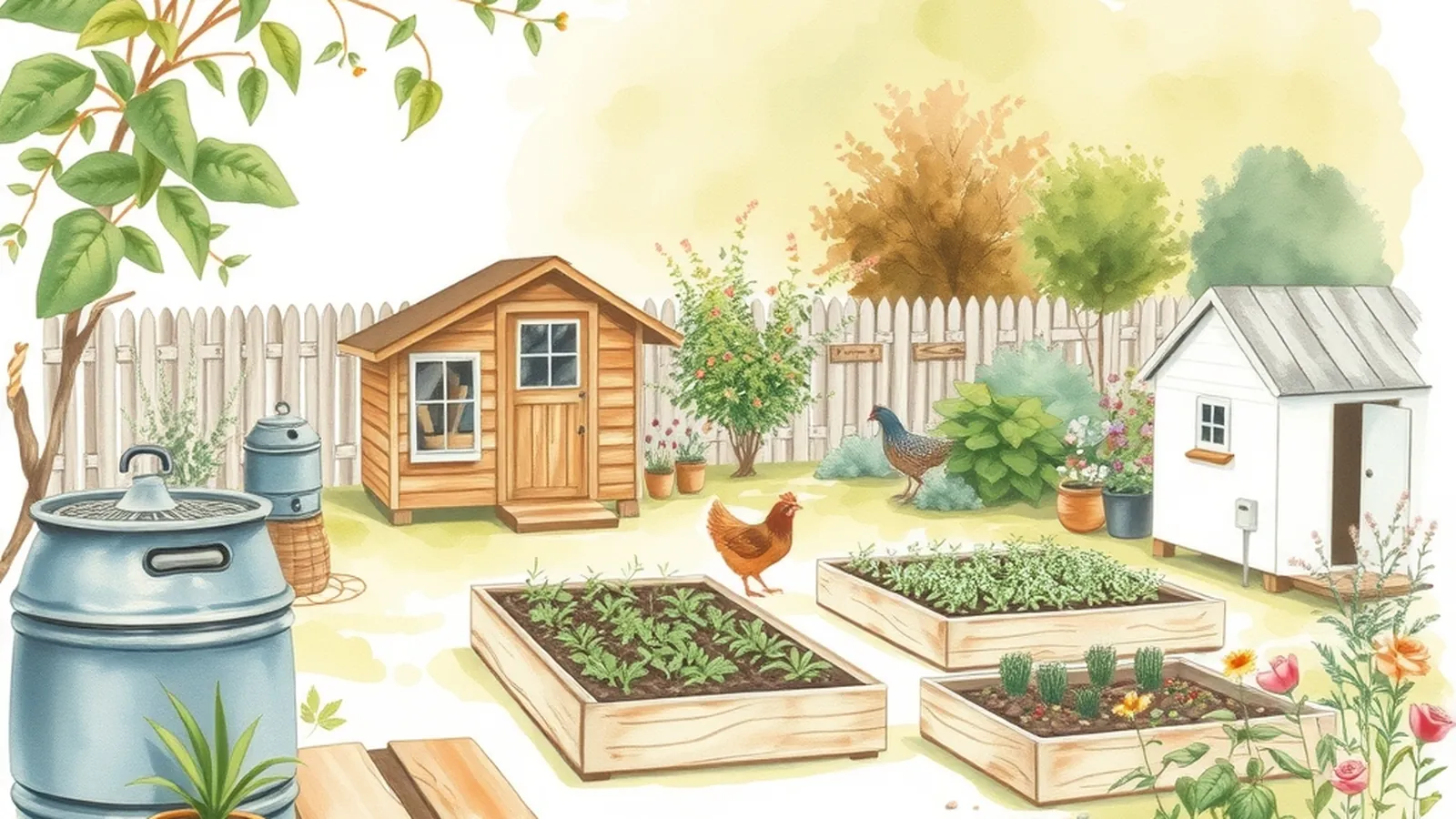
A backyard homestead is simply a home where you produce a little more of what you use: eggs from a few hens, honey from a hive, jars and freezer bags of summer vegetables, seeds saved for next spring and rainwater caught for the garden. You don't need acres, a farmhouse or a big budget. You need one project that fits your space and your week, and the patience to learn it well before adding the next.
The guides below cover the most common backyard projects in a sensible order, from animals to food preservation to growing and water. Each one tells you what the work really involves, what can go wrong and where to get trustworthy local help.
 Backyard ChickensLocal rules, space, daily care and the CDC's hygiene advice before you bring home your first hens.
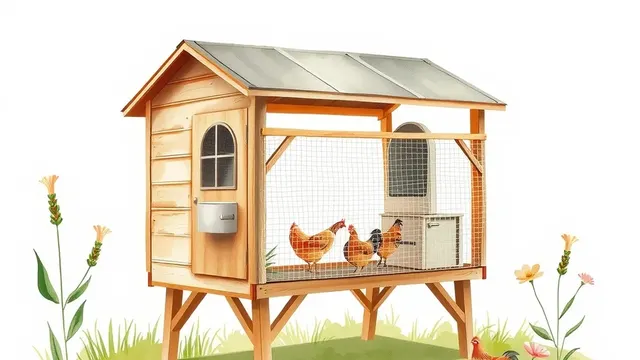 Chicken Coop BasicsSpace, roosts, nest boxes, airflow and predator-proofing: a checklist before you buy or build a coop.
 Preserving the HarvestFreezing, canning, drying and cold storage compared, so you can pick the right method for each crop.
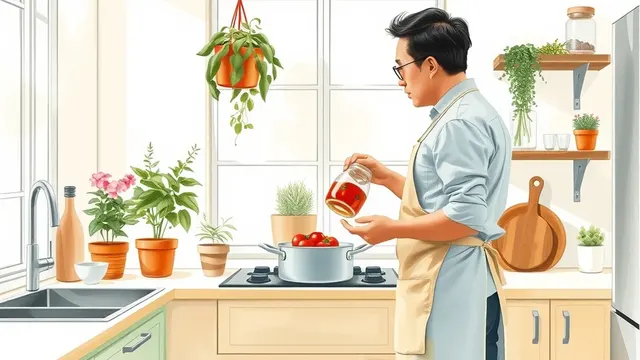 Canning BasicsWater bath vs pressure canning, the gear you need and why tested recipes are the only safe kind.
 Freezing ProduceBlanch, cool, pack and label: a simple routine for freezing garden vegetables so they stay good to eat.
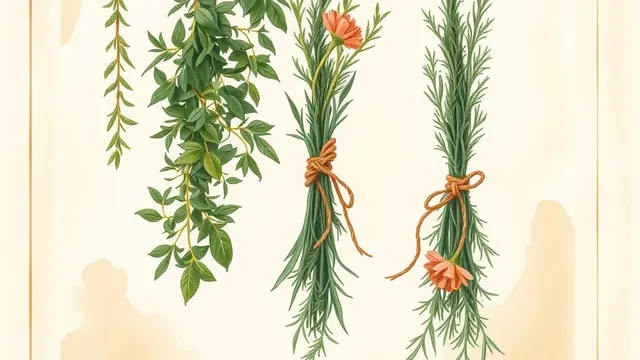 Drying HerbsAir drying, dehydrators, oven cautions and storage, so your garden herbs keep their flavor into winter.
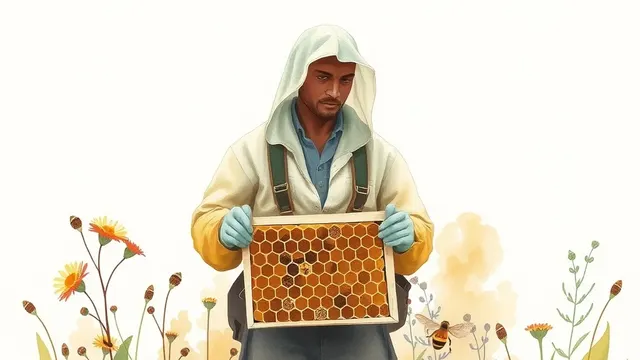 Beekeeping BasicsLocal rules, the time and gear involved, finding a mentor and staying safe around stings.
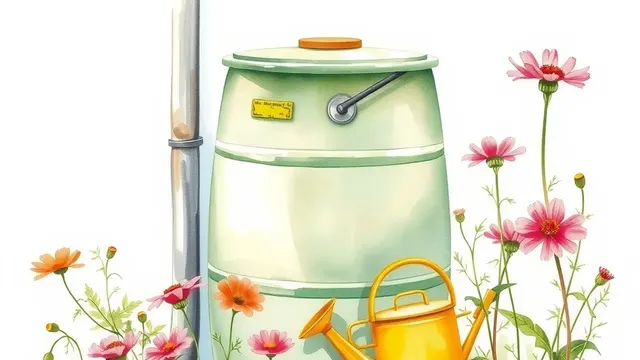 Rainwater HarvestingRain barrels explained: setup, overflow, mosquito screens, local rules and safe garden use.
 Greenhouse BasicsCold frames, hoop houses and small greenhouses compared, with ventilation, heat and what to grow.
 Saving SeedsOpen-pollinated vs hybrid, the easiest crops to start with and how to dry and store seed for next year.
Pick your first project by the time you have
Homestead projects ask for very different kinds of commitment. Some take a busy weekend and then mostly look after themselves. Others need attention every single day, including holidays and bad weather.
| Project | Time pattern | Space needed | Good first project? |
|---|---|---|---|
| Drying herbs | A few short sessions in summer | A kitchen corner or closet | Yes |
| Freezing produce | Busy bursts at harvest time | Freezer space | Yes |
| Saving seeds | A little time at the end of the season | A cool, dry shelf | Yes |
| Rain barrel | One setup weekend, light seasonal care | A downspout and level ground | Yes |
| Canning | Long kitchen sessions in season | Pantry shelves, stove | After some reading |
| Greenhouse or cold frame | Daily checks in spring and fall | A sunny spot in the yard | Start with a cold frame |
| Backyard chickens | Every day, all year | Yard space for a coop and run | Only after checking local rules |
| Beekeeping | Regular inspections in the warm months | A quiet corner, neighbors on board | Only after a class or mentor |
If you're new, choose one item marked "Yes" and stay with it through a full season. You'll learn how your space, weather and schedule really behave before you take on animals.
Start with what you already grow
Most homestead skills build on a garden that's already producing. If you're still getting plants established, our guide to the easiest vegetables to grow helps you pick reliable crops that give you something to preserve. When the harvest comes in faster than you can eat it, our guide to when to harvest vegetables helps you pick at the right moment, which matters for flavor and for how well food keeps.
Healthy soil feeds everything else on a homestead, including the chicken manure and garden scraps that end up in the compost. Our composting guide explains how to turn those leftovers into something your beds can use.
Safety comes first on a homestead
A few rules run through every guide in this section, and they aren't negotiable:
- Canning: use only tested recipes from the USDA or the National Center for Home Food Preservation. Improvised methods can cause serious illness. Our canning basics guide explains why.
- Poultry: chickens can carry germs even when they look perfectly healthy, so handwashing and keeping birds out of the house matter. The backyard chickens guide covers the CDC's advice.
- Bees: anyone in your household with a known sting allergy should talk with a doctor before you bring home a hive. For a severe reaction, call 911.
- Local rules: cities, counties and homeowner associations set rules on chickens, bees and sometimes rain barrels. Check before you buy anything.
Where to get local help
Climate shapes nearly every homestead decision, from when to start seeds in a cold frame to how to keep a coop cool in summer. Your local Cooperative Extension office is one of the best free sources of research-based advice for your area, and many run classes on food preservation, poultry and beekeeping. Our page on free gardening and home help explains how to find yours.
You'll also see paid homesteading courses, coop plans and "self-sufficiency" programs. Some are useful. Before you spend money, read our Choosing Plans & Courses section for questions to ask and warning signs to watch for.
A realistic mindset
Homesteading is satisfying, but it isn't always cheaper or simpler than buying food at the store, and results depend on your climate, your space and how much care you can give. Chickens get sick, a batch of herbs can mold and some years the rain barrel stays half empty. That's part of learning. Keep notes, start small and add one project at a time.
Something to do this weekend
Walk your yard or balcony with a notebook. Write down where the sun hits, where your downspouts are, how much freezer space you have and how many hours a week you can honestly give a new project. Then pick one project from the table above and read its guide start to finish before you buy a single thing.
Want a step-by-step plan or guide?
Some people like the structure of a paid guide or set of plans. This button opens a third-party program from one of our advertising partners. Its claims are its own, not ours, so weigh them against our checklist for judging paid plans.
See the partner program →We may be paid when you click. The program shown can change. Read its terms before you buy anything. How this works
Frequently asked questions
Do I need a lot of land to start homesteading?
No. Many homestead projects, like freezing extra produce, drying herbs, saving seeds or setting up a rain barrel, fit a small yard or even a patio. Animals need more space and local permission, so start with the plant and kitchen projects if you're unsure.
What is the best first homestead project for a beginner?
Pick one that matches the space and time you already have. Freezing or drying part of your harvest is a low-risk start, while chickens and bees are bigger commitments that need daily or weekly care and a check of local rules first.