How to Freeze Vegetables
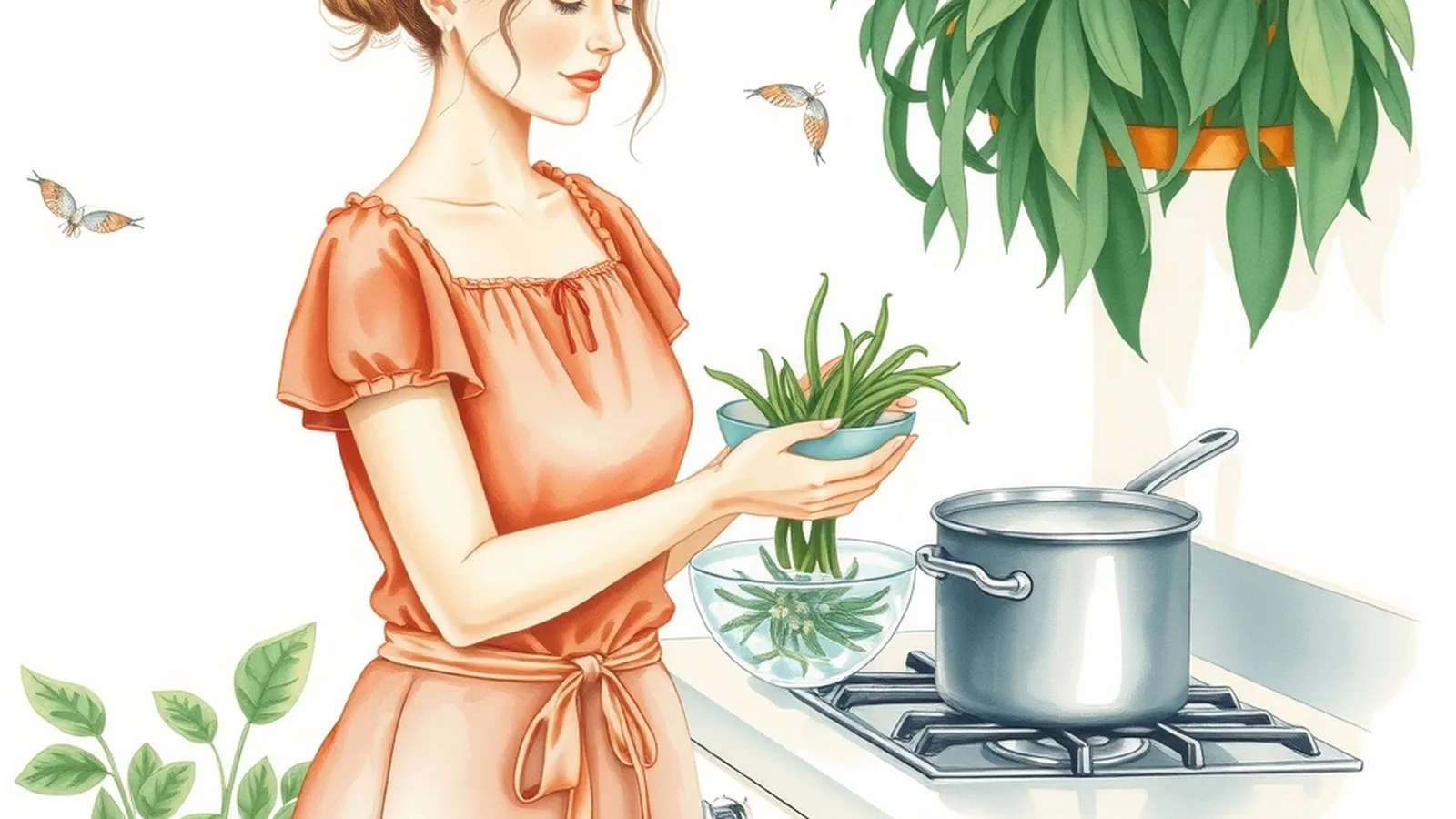
To freeze vegetables, pick them fresh, wash and cut them, blanch them briefly in boiling water or steam, cool them fast in ice water, dry them, then pack them in freezer bags or containers with as little air as possible and label them. Blanching is the step most beginners skip, and it's the one that keeps frozen vegetables tasting good for months. The whole process takes a few hours on harvest day and gives you garden food to cook with all winter.
Freezing is the simplest preserving method in our Backyard Homestead section, which makes it a good first project if you've never put food away before.
Start with the right vegetables
The best frozen vegetables start as the best fresh ones. Freeze produce at its peak, ideally the same day you pick it. Our guide to when to harvest vegetables explains the signs of ripeness crop by crop, which matters because overgrown beans or starchy corn won't improve in the freezer.
Here's how common garden crops usually do:
| Crop | Blanch first? | Notes |
|---|---|---|
| Green beans | Yes | Trim ends; freeze whole or cut |
| Peas | Yes | Shell first; snap and snow peas whole |
| Sweet corn | Yes | Freeze on or off the cob |
| Broccoli and cauliflower | Yes | Cut into even florets |
| Leafy greens like kale and chard | Yes | Remove tough stems; they shrink a lot |
| Summer squash and zucchini | Yes, or shred raw for baking | Texture softens; best in cooked dishes |
| Peppers | Often frozen raw | Slice or chop; use cooked |
| Onions | Often frozen raw | Chop; double-bag to contain the smell |
| Berries | No | Freeze on a tray, then bag |
| Lettuce, cucumbers, radishes | Not recommended | They turn limp and watery |
Why blanching matters
Vegetables keep working even after harvest. Natural enzymes keep breaking down flavor, color, texture and nutrients, even in the freezer. A quick dip in boiling water or steam slows those enzymes down. Blanching also cleans the surface and brightens the color.
The timing matters. Too short and the enzymes stay active; too long and the vegetables start to cook and turn soft. Blanching times differ by vegetable and by the size of the pieces, so look them up in tested guidance from the National Center for Home Food Preservation or your local Cooperative Extension office instead of guessing.
Step by step: freezing green beans
This example uses green beans, but the flow is the same for most vegetables.
- Wash the beans under cool running water and drain.
- Trim the ends and cut them into even pieces, or leave them whole.
- Set up two stations: a large pot of boiling water with a basket or strainer, and a big bowl of ice water next to it.
- Blanch a small batch at a time for the recommended time, starting the timer once the water returns to a boil.
- Cool the beans right away in the ice water for about as long as they were blanched, until cold to the center.
- Drain and dry them well on clean towels. Extra water turns into ice crystals.
- Pack them into freezer bags or containers in meal-sized amounts.
- Remove air by pressing it out or using a straw or vacuum sealer, then seal.
- Label each package with the contents and the date.
- Freeze flat in a single layer, then stack once solid.
Working in small batches keeps the water boiling and the beans evenly cooked.
Tray-freezing for loose pieces
For berries, chopped peppers or blanched peas, spread the pieces in a single layer on a lined baking sheet, freeze until firm, then transfer to a bag. The pieces stay separate, so you can pour out just what you need.
Packing and labeling
Air is the enemy of frozen food. It causes freezer burn: dry, grayish patches that are safe to eat but taste stale. To limit it:
- Use bags or containers made for the freezer.
- Leave a little headspace in rigid containers so food can expand.
- Squeeze out as much air from bags as you can.
- Write the vegetable, the date and the amount on every package before it goes in.
Keep a running list on the freezer door or in a notebook. Cross items off as you use them, so nothing gets lost at the bottom.
How long to keep it
Food that stays frozen solid remains safe, but quality slowly declines. A practical goal is to use what you freeze before the same crop comes in next year. Put the newest bags at the back and move older ones forward.
If the power goes out, keep the freezer closed as much as possible. Once power returns, check food carefully, and when in doubt, throw it out.
Example (fictional): Casey grows a short row of green beans and two zucchini plants. Every few days in summer, they spend half an hour blanching and bagging whatever's ready. By fall they have a stack of flat, labeled bags, and they keep a list taped to the freezer door.
When freezing isn't the best fit
Freezing is easy, but freezer space runs out. If you're short on room, how to dry herbs shows a way to save basil, oregano and other herbs in small jars that take almost no space. For shelf-stable vegetables and sauces, canning basics explains water bath and pressure canning and why tested recipes are the only safe kind.
Help your harvest along
Many crops you'll freeze, like squash, beans and berries, depend on pollinators to produce. If you've watched bees working your garden and wondered about keeping a hive, beekeeping for beginners explains what it really takes in time, gear and local permission.
Something to do this weekend
Clear one shelf of your freezer, then pick one crop that's ready now, or buy a pound of fresh green beans to practice. Look up its blanching time from a tested source, set up your boiling and ice-water stations and freeze a small batch from start to finish.
Want a step-by-step plan or guide?
Some people like the structure of a paid guide or set of plans. This button opens a third-party program from one of our advertising partners. Its claims are its own, not ours, so weigh them against our checklist for judging paid plans.
See the partner program →We may be paid when you click. The program shown can change. Read its terms before you buy anything. How this works
Frequently asked questions
Do I have to blanch vegetables before freezing?
Most vegetables keep better if you blanch them first, because blanching slows the enzymes that dull flavor, color and texture over time. A few, like onions and peppers, are often frozen raw. Check tested guidance for each vegetable.
How long do frozen vegetables last?
Frozen food stays safe while it remains frozen solid, but quality fades over time. Aim to use home-frozen vegetables within about a season or before next year's harvest, oldest bags first.
Why are my frozen vegetables mushy?
Freezing breaks down cell walls, so thawed vegetables are softer than fresh ones. Use them in cooked dishes, skip over-blanching and cook them straight from frozen when you can.