How to Dry Herbs
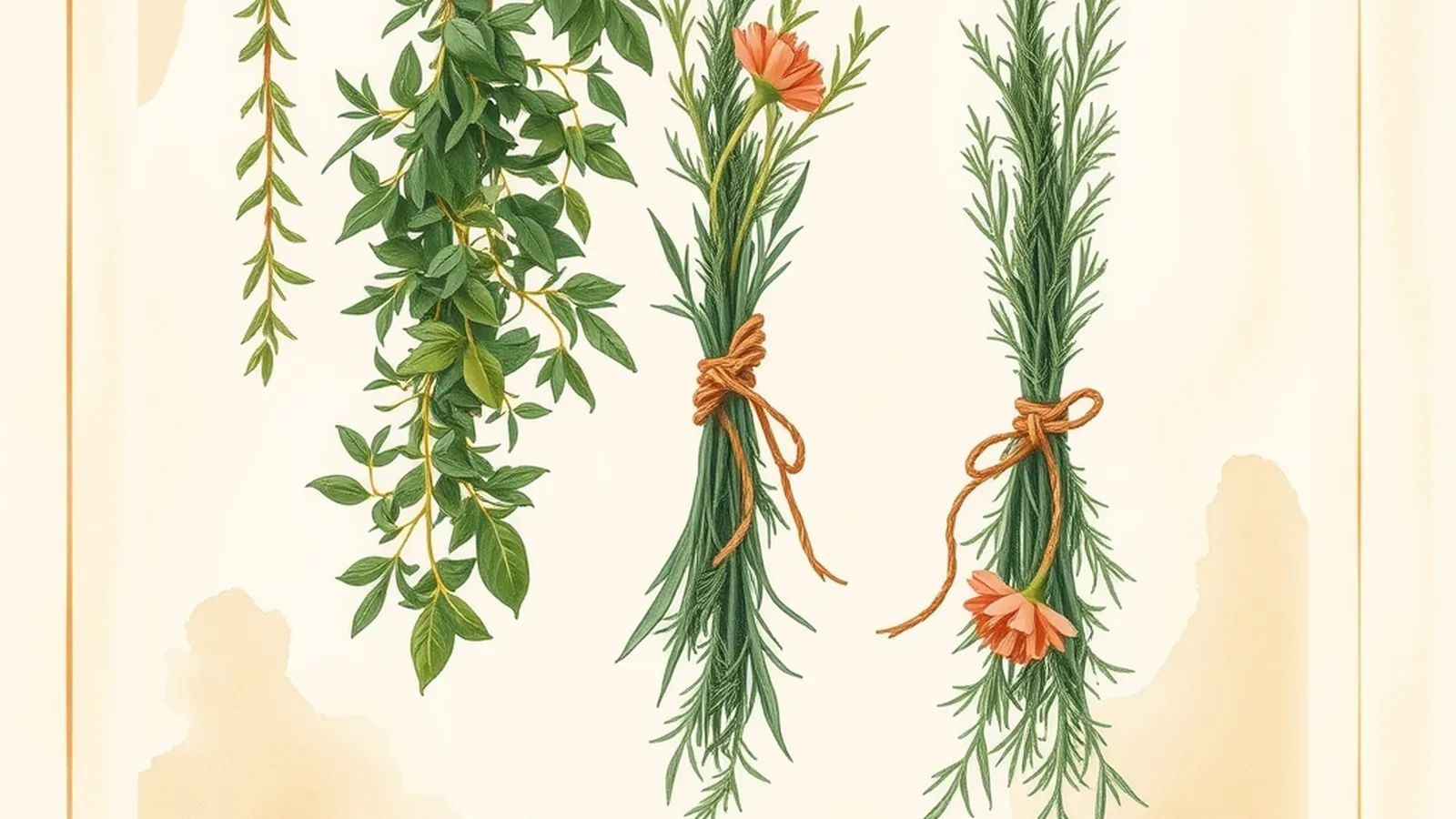
To dry herbs, pick healthy stems in the morning after the dew dries, rinse and pat them dry, then either hang them in small bundles somewhere warm, dark and airy or lay them in a food dehydrator. They're ready when the leaves crumble and the stems snap. Store them whole in airtight containers away from light and heat, and crush them just before cooking for the best flavor.
Drying is one of the gentlest preserving projects in our Backyard Homestead section, because it needs almost no equipment and very little space.
Which herbs dry well
Herbs vary in how well they hold flavor once dried.
| Herb | Dries well? | Best method |
|---|---|---|
| Oregano, thyme, rosemary, sage | Very well | Air drying in bundles |
| Mint, lemon balm | Well | Air drying or dehydrator |
| Dill, parsley | Fairly well | Dehydrator or screen |
| Bay leaves | Very well | Air drying flat |
| Basil | Loses some flavor; prone to mold | Dehydrator, or freeze instead |
| Chives, cilantro | Lose much flavor | Better frozen |
Woody, small-leaved herbs dry easily. Soft, juicy herbs hold more water, so they need faster drying or a different method. For basil, chives and cilantro, freezing often keeps more flavor; our guide on how to freeze vegetables covers tray-freezing and packing that works for chopped herbs too.
Harvesting for drying
Good dried herbs start with healthy plants. Our guide on how to grow herbs explains how regular trimming keeps plants bushy, which also gives you more to dry. When you're ready to harvest:
- Pick in the morning, after the dew has dried but before the hot afternoon.
- Choose healthy stems without yellow, spotted or insect-damaged leaves.
- Cut just above a pair of leaves so the plant can branch out again.
- Harvest many herbs before they flower, when flavor is often strongest.
- Rinse gently only if they're dirty, then shake and pat completely dry.
Method 1: Air drying in bundles
Air drying is free and works well for sturdy herbs.
- Gather small bundles of stems; thin bundles dry faster and resist mold.
- Tie them at the base with string or a rubber band, which tightens as stems shrink.
- Hang them upside down somewhere warm, dark, dry and airy, out of direct sun.
- If dust is a concern, slip a paper bag with a few holes over each bundle.
- Check every few days. Drying time depends on the herb and your home's humidity.
For loose leaves, spread them on a clean window screen or a mesh rack in a single layer and turn them now and then.
Humid climates and basements make air drying slower and raise the risk of mold. If bundles feel damp after a week or show any fuzzy growth, throw them out and try a dehydrator.
Method 2: A food dehydrator
A dehydrator circulates warm air at a steady, low temperature, which is helpful for tender herbs and humid homes.
- Spread leaves or small sprigs in a single layer, not touching.
- Use the herb setting or the lowest temperature your model's instructions suggest.
- Check often; small leaves dry quickly and can lose flavor if overdried.
- Follow the manufacturer's instructions for cleaning and safe use.
A note on ovens and microwaves
You'll see advice to dry herbs in an oven or microwave. Be careful. Dry leaves heat up fast, and both appliances can scorch herbs or start a fire. If you do try the oven, use the lowest setting, keep the door slightly open, stay in the kitchen the whole time and check every few minutes. Never leave it unattended. For most people, air drying or a dehydrator is safer and gives better flavor.
Knowing when they're done, and storing them
Herbs are fully dry when leaves crumble between your fingers and stems snap cleanly. Then:
- Strip the leaves from the stems, keeping them as whole as you can.
- Store them in clean, dry, airtight containers.
- Keep containers somewhere cool and dark, away from the stove.
- Write the herb and date on each container.
- Check for moisture in the first few days. Droplets or clumping mean the herbs need more drying.
Dried herbs keep their best flavor for about a season. Crush leaves just before you use them. As a general kitchen guide, recipes often call for less dried herb than fresh, because dried flavor is more concentrated.
Safety notes
- No health claims here. Herbs are for flavor. Be skeptical of products or sellers that promise herbs will cure or treat health problems; our checklist of home and garden red flags shows how to spot that kind of claim.
- Herb-infused oils made at home with fresh herbs or garlic carry a risk of botulism if stored improperly. Follow guidance from the National Center for Home Food Preservation instead of improvising.
- Pets: some garden herbs aren't safe for dogs or cats. The ASPCA keeps lists of toxic and non-toxic plants; see our guide to pet-safe houseplants for how to check, and keep drying herbs out of reach.
Example (fictional): Avery grows oregano, thyme and basil in pots. They hang the oregano and thyme in small bundles from a closet rod and dry the basil in a dehydrator. By midsummer they've filled a few small jars and started giving them away to friends.
Herbs as part of a bigger homestead
Flowering herbs like oregano, thyme and mint draw bees, which is one reason to leave a few stems blooming instead of harvesting them all. If those visitors make you curious about hives, read beekeeping for beginners. And because herbs in pots dry out quickly in summer, a rain barrel can help with watering; rainwater harvesting for gardens explains how to set one up safely.
Something to do this weekend
Cut a small bundle of one sturdy herb, such as oregano, thyme or rosemary. Tie it, hang it somewhere warm, dark and airy, and check it in a few days. When the leaves crumble, store them in an airtight container with the date written on it.
Want a step-by-step plan or guide?
Some people like the structure of a paid guide or set of plans. This button opens a third-party program from one of our advertising partners. Its claims are its own, not ours, so weigh them against our checklist for judging paid plans.
See the partner program →We may be paid when you click. The program shown can change. Read its terms before you buy anything. How this works
Frequently asked questions
What is the best way to dry herbs?
For sturdy herbs like rosemary, thyme and oregano, air drying in small bundles somewhere warm, dark and airy works well. For tender, leafy herbs like basil, a food dehydrator gives more control and lowers the risk of mold.
How do I know when herbs are fully dry?
Leaves should crumble easily between your fingers and stems should snap rather than bend. If anything feels soft or leathery, give it more time, since moisture left behind can cause mold in storage.
Can I dry herbs in the microwave or oven?
Ovens and microwaves can scorch herbs and can be a fire risk, because dry leaves heat fast. If you use an oven, choose the lowest setting, watch closely and never leave it unattended. Air drying or a dehydrator is usually safer.