How to Grow Herbs
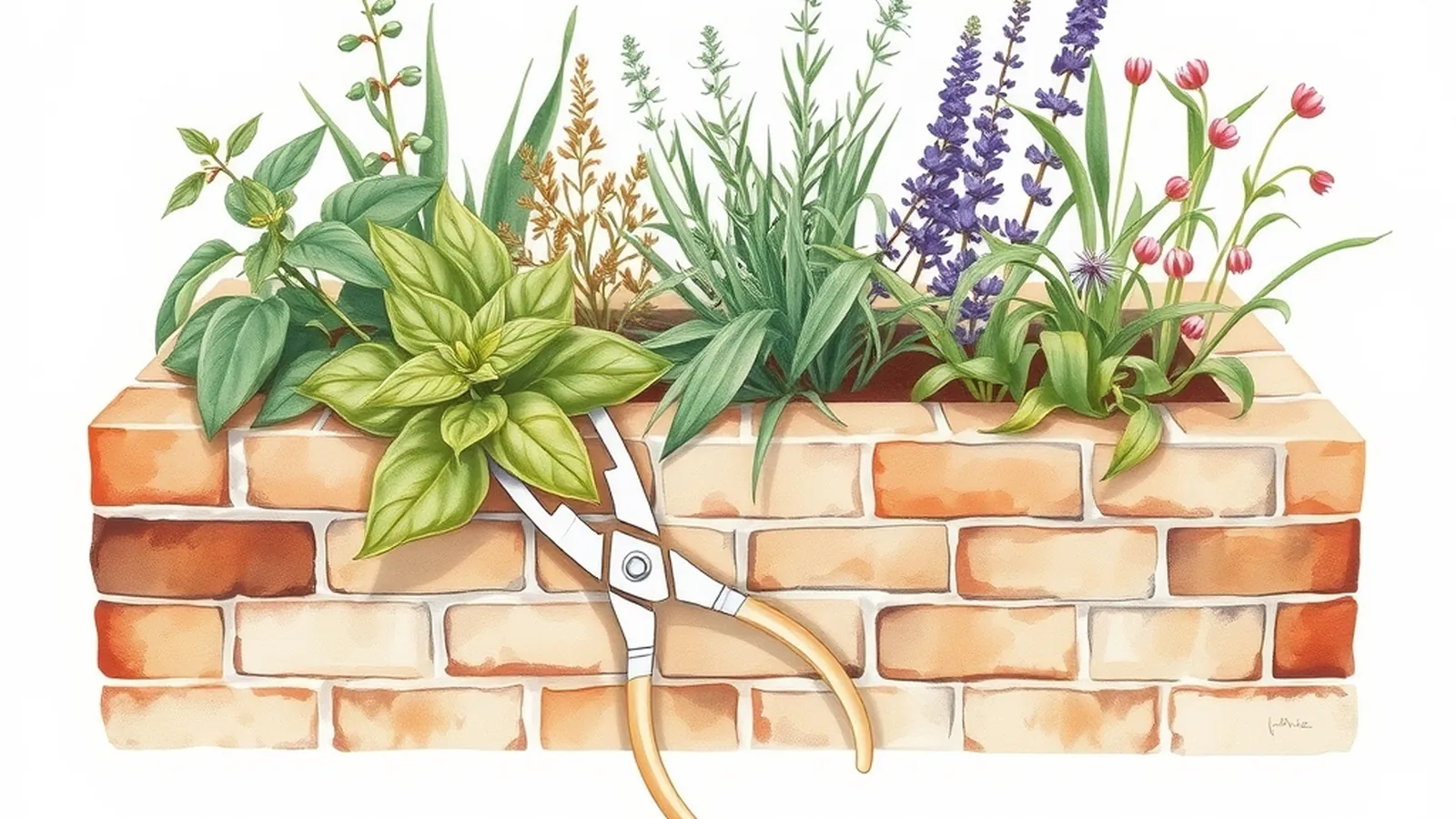
To grow herbs, put sun-loving types like basil, rosemary, thyme and oregano in the sunniest, best-drained spot you have, and give parsley, chives, mint and cilantro a place with some afternoon shade if your summers are hot. Water when the soil dries, go easy on fertilizer, and harvest often by snipping just above a pair of leaves. Regular picking keeps herbs bushy instead of tall and flowering.
Herbs are one of the most useful things you can grow in a small space. A few plants by the kitchen door can season meals all summer. They round out our Vegetables & Herbs section, and many tuck neatly into vegetable beds, borders and pots.
Sun-loving vs shade-tolerant herbs
Most herbs prefer sun, but they don't all need the same amount. Sorting them by light makes placement easy.
| Herb | Light | Life cycle | Soil and water | Notes |
|---|---|---|---|---|
| Basil | Full sun | Annual, frost-tender | Rich, evenly moist | Plant after last frost |
| Rosemary | Full sun | Perennial in mild climates | Sharp drainage, on the dry side | Often grown in pots where winters are cold |
| Thyme | Full sun | Perennial | Lean, well-drained | Dislikes wet feet |
| Oregano | Full sun | Perennial | Well-drained | Spreads slowly |
| Sage | Full sun | Perennial | Well-drained, on the dry side | Woody over time |
| Dill | Full sun | Annual | Average | Tall; flowers attract helpful insects |
| Parsley | Sun to part shade | Biennial, grown as annual | Evenly moist | Slow to sprout from seed |
| Cilantro | Sun to part shade | Annual, cool season | Evenly moist | Bolts quickly in heat |
| Chives | Sun to part shade | Perennial | Average | Comes back each spring |
| Mint | Sun to part shade | Perennial | Moist | Spreads fast; best in a pot |
"Part shade" here means roughly a few hours of direct sun, or bright light with shade during the hottest part of the day. Whether a perennial survives winter depends on your hardiness zone; our guide to planting zones explains how to look up yours.
Two groups with different needs
It helps to think of herbs in two loose groups:
- Mediterranean herbs (rosemary, thyme, oregano, sage, lavender) come from dry, sunny places. They like lean, gritty, fast-draining soil and don't want much water or fertilizer. Rich soil and frequent watering can make them floppy or cause root rot.
- Leafy herbs (basil, parsley, cilantro, chives, mint, dill) like richer soil and more even moisture. They grow fast and appreciate a little compost.
If you plant both groups in one bed, put the Mediterranean herbs at the higher, drier end or in a raised spot, and the leafy ones where water collects a bit more.
Planting herbs, step by step
- Start with transplants for perennials like rosemary, thyme and oregano. They're slow from seed. Basil, dill, cilantro and parsley grow well from seed or transplants.
- Pick your spot by light, using the table above.
- Check drainage. If water puddles after rain, use a raised bed or containers.
- Plant at the same depth the herb grew in its pot and firm the soil gently.
- Water in well, then let the soil dry a little between waterings for the Mediterranean group.
- Mulch lightly around leafy herbs; keep mulch back from the stems of woody herbs.
Basil and other frost-tender herbs go out after your last frost. Parsley, cilantro, chives and dill can go in earlier, since they handle cool weather.
Harvesting to keep herbs bushy
How you pick matters as much as how you plant. Herbs branch where you cut them, so good harvesting makes fuller plants.
- Basil: snip just above a pair of leaves on each stem. Two new shoots grow from that spot. Pinch off flower buds as they form.
- Parsley and cilantro: cut outer stems at the base and let the center keep growing.
- Chives: cut a clump down to an inch or two above the soil; it regrows.
- Thyme, oregano and sage: trim the soft green tips. Avoid cutting deep into old, bare wood.
- Rosemary: snip sprigs from the tips, spread around the plant.
A good rule is to take no more than about a third of a plant at once, so it has enough leaves left to recover. Harvest in the morning after dew dries, when flavor tends to be strongest. Rinse herbs before using them.
Example: a small kitchen herb bed
An example for a sunny spot. Morgan has a narrow bed along a south-facing wall. They plant rosemary and thyme at the drier end, away from the downspout, basil and parsley in the middle where they water most, and chives in a corner. Mint goes in a pot on the steps. Every few days they snip what they need for dinner, pinching basil flowers as they go. By midsummer, the basil is wide and bushy rather than tall.
Common herb problems
- Leggy, floppy plants: too little sun or too much fertilizer.
- Yellowing rosemary or thyme: often too much water or poor drainage.
- Basil leaves with black patches: cold nights; wait to plant until it's warm.
- Cilantro flowering fast: heat and long days. Sow again in cooler weather.
- Aphids on new growth: rinse with a strong spray of water.
Herbs indoors
Many herbs can grow on a sunny windowsill or under a grow light, especially in winter. Basil, chives, parsley and mint are good indoor candidates. Our guide to growing herbs indoors covers light, pots and indoor harvesting.
Herbs alongside vegetables
Flowering herbs like dill, cilantro and thyme draw beneficial insects, which is why they show up so often in companion planting traditions. Quick herbs such as cilantro and dill do best sown a little at a time, which our succession planting guide explains with a sample schedule. And summer savory and dill have a long history as bean neighbors; see growing beans and peas.
Something to do today
Buy or pot up one herb you cook with every week. Put it in your sunniest spot, and the first time it gets a few new sets of leaves, snip the top just above a leaf pair. Watch it branch over the next week.
Want a step-by-step plan or guide?
Some people like the structure of a paid guide or set of plans. This button opens a third-party program from one of our advertising partners. Its claims are its own, not ours, so weigh them against our checklist for judging paid plans.
See the partner program →We may be paid when you click. The program shown can change. Read its terms before you buy anything. How this works
Frequently asked questions
Which herbs are easiest for beginners?
Chives, mint, parsley, basil and oregano are some of the most forgiving. Buying small transplants instead of starting from seed makes the first year even easier.
Why is my basil flowering?
Basil flowers when it matures and in hot weather. Pinch off flower buds as soon as you see them and harvest regularly to keep the plant making leaves.
Should I plant mint in the ground?
Only if you're happy for it to spread. Mint sends out runners and can take over a bed. Many gardeners grow it in a pot, or in a pot sunk into the ground, to keep it contained.