Succession Planting
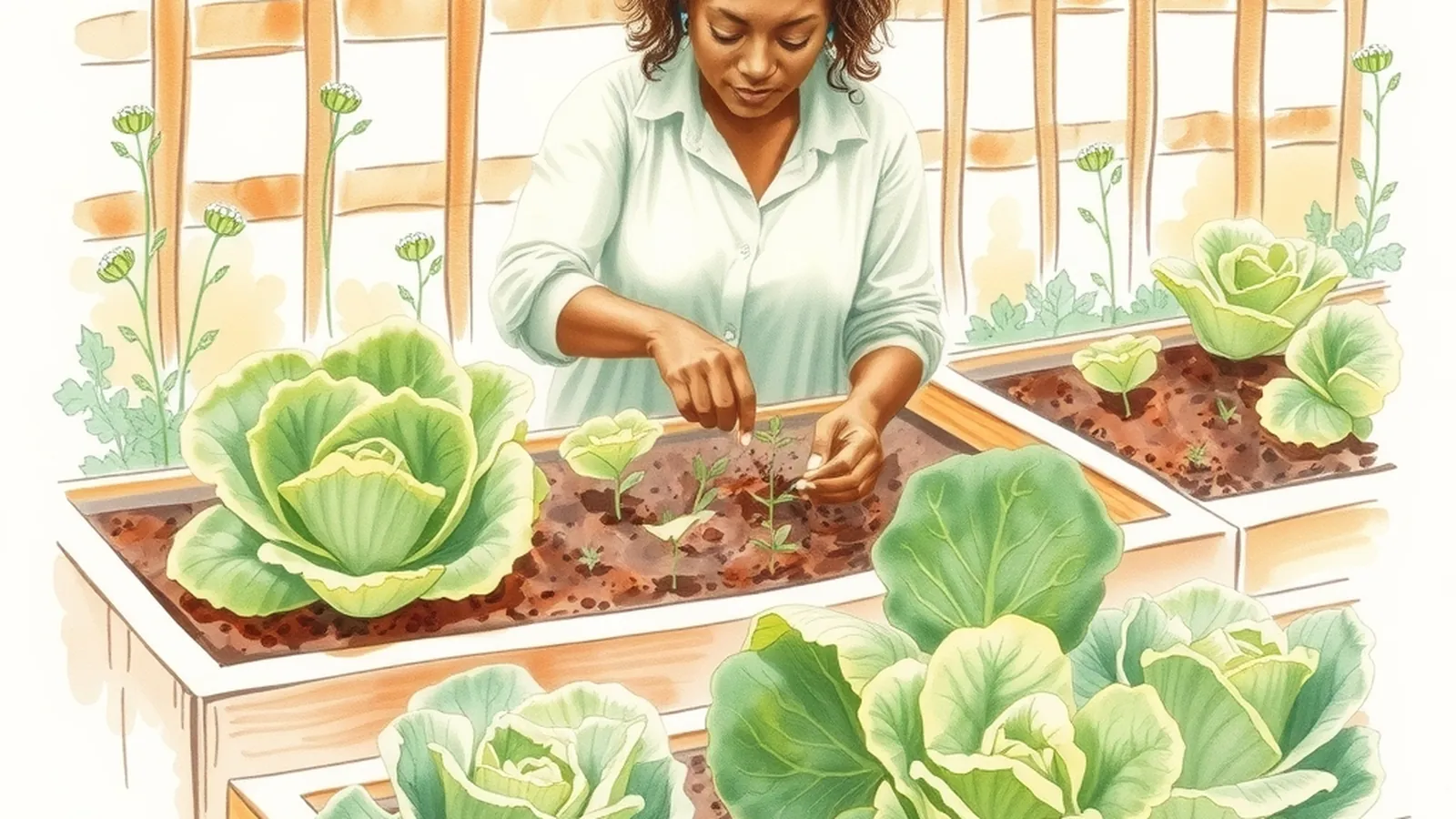
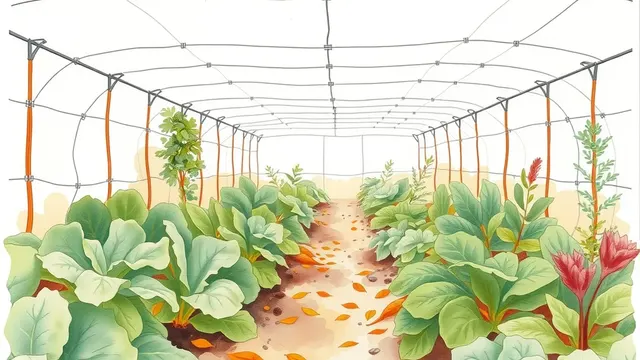
Succession planting is a way to keep a bed producing all season instead of all at once. You do it three ways: sow small amounts of the same crop every couple of weeks, tuck quick crops between slow ones, and replant a spot with a new crop as soon as the last one finishes. The result is a steadier, more manageable harvest from the same space.
If you've ever had twenty heads of lettuce ready the same week and none a month later, this is the fix. It builds on the crop-by-crop advice across our Vegetables & Herbs section and mostly takes a calendar and a little planning.
The three kinds of succession planting
1. Staggered sowings of one crop
Instead of planting a whole row of lettuce at once, plant a short section now and another in two or three weeks. When the first batch is done, the next is ready. This works best for fast crops you harvest once or over a short time.
Good candidates: lettuce, spinach, arugula, radishes, bush beans, cilantro, dill, beets and carrots.
2. Interplanting quick crops with slow ones
Some crops take months to fill their space. While they're small, the soil around them sits empty. You can sow a quick crop there and harvest it before the slow crop needs the room.
Examples:
- Radishes sown between young cabbage or broccoli transplants
- Lettuce planted around young squash before the vines spread
- Spinach between rows of slow-to-sprout carrots
The key is to choose a quick crop that will be out of the way before the slow one gets big.
3. Relay planting (one crop after another)
When a crop finishes, pull it, refresh the soil with compost and plant something new in the same spot. A cool-season crop in spring can be followed by a warm-season crop in summer, then another cool-season crop in fall.
Examples:
- Spring peas, then summer bush beans, then fall kale
- Spring lettuce, then summer basil, then fall spinach
- Early potatoes, then a fall sowing of radishes and greens
How to plan your successions
You need three pieces of information for each crop:
- Your frost dates. These set the start and end of the outdoor season. They depend on your location, so look them up through your local Cooperative Extension office.
- Days to maturity. This is listed on the seed packet. It tells you roughly how long from sowing (or transplanting) to harvest.
- The crop's season. Cool-season crops prefer spring and fall; warm-season crops need summer.
Then work it out on paper. For a fall crop, count backward from your first fall frost by the days to maturity, and add a little extra time because growth slows as days get shorter. For spring sowings, start as early as the crop tolerates and keep going until the weather gets too hot (for cool-season crops) or too late to mature before frost (for warm-season ones).
A sample season schedule
This example is for a garden with a last spring frost in late April and a first fall frost in late October. Your dates will differ, so shift the whole schedule to match yours.
| Timing | Bed A | Bed B | Bed C |
|---|---|---|---|
| Late March | Sow peas | Sow lettuce and radishes | Plant potatoes |
| Mid April | Sow more lettuce and radishes | ||
| Early May | Sow more lettuce | ||
| Mid May | Peas growing | Transplant tomatoes in back, lettuce in front | |
| Late May | Hill potatoes | ||
| Early June | Sow bush beans between finishing peas | Last spring lettuce | |
| Late June | Pull peas | ||
| Early July | Sow more bush beans | Dig early potatoes | |
| Mid July | Tomatoes producing | Sow carrots and beets | |
| Early August | Sow kale where first beans finished | Sow fall lettuce | |
| Late August | Sow spinach in gaps | Sow radishes | |
| September to October | Harvest kale | Harvest tomatoes until frost | Harvest fall greens and roots |
Notice how no bed sits empty for long, and how harvests come in small, steady batches.
Tips for making it work
- Sow less than you think. A short row every two weeks is usually better than a long one every month.
- Keep seeds and a calendar handy. Write sowing dates on the calendar at the start of the season, so you don't forget.
- Refresh the soil. Add a thin layer of compost each time you replant.
- Water new sowings carefully. Seeds sown in summer heat need more frequent, gentle watering to sprout.
- Use transplants to save time. Starting a few seedlings in pots while the previous crop finishes lets you plant the moment the bed opens up.
- Watch the end of the season. Late sowings need enough time to mature before frost. A light row cover can stretch the season a little.
Example: a busy household's lettuce plan
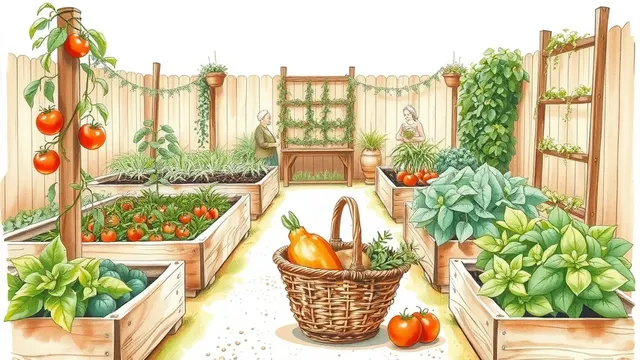
An example to illustrate the rhythm. Taylor wants a salad a few times a week but only has one small raised bed. They divide one end into four short sections. Every two weeks in spring, they sow one section. By the time the fourth is planted, the first is ready to pick. When the weather heats up, they switch to heat-tolerant chard for summer and return to lettuce sowings in late summer.
Common mistakes
- Sowing so much at once that a crop gets wasted
- Forgetting to count back from frost, so a fall crop runs out of time
- Planting the same family in the same spot over and over, which can build up some pests and diseases
- Crowding quick crops so close to slow ones that both struggle
How succession fits with the rest of your plan
The late-summer half of a succession plan is really a fall garden, and that guide explains the cool-season crops and frost timing in more detail. Planting in batches means picking in batches, so knowing the signs of ripeness in harvesting vegetables helps you pick each round at its best. Succession also works hand in hand with companion planting, since both are about using space and time well.
For the bigger picture of where each bed and crop goes, our guide to planning a garden layout walks you through sketching beds and a sample plan.
Something to do this weekend
Pick one quick crop you love, like lettuce or radishes. Sow a short row today, then write the next two sowing dates on your calendar, two and four weeks from now. That's your first succession.
Want a step-by-step plan or guide?
Some people like the structure of a paid guide or set of plans. This button opens a third-party program from one of our advertising partners. Its claims are its own, not ours, so weigh them against our checklist for judging paid plans.
See the partner program →We may be paid when you click. The program shown can change. Read its terms before you buy anything. How this works
Frequently asked questions
How often should I sow lettuce for a steady supply?
Many gardeners sow a small amount every two to three weeks during the cool parts of the year. Adjust based on how fast you eat it and how quickly it grows in your weather.
Which crops are best for succession planting?
Fast crops that are harvested once or over a short time work best: lettuce, radishes, spinach, arugula, bush beans, cilantro, dill, beets and carrots.
Do I need to add compost between plantings?
It helps. A thin layer of finished compost worked into the top of the soil before each new sowing replaces some of the organic matter the last crop used.