Companion Planting: A Practical Chart
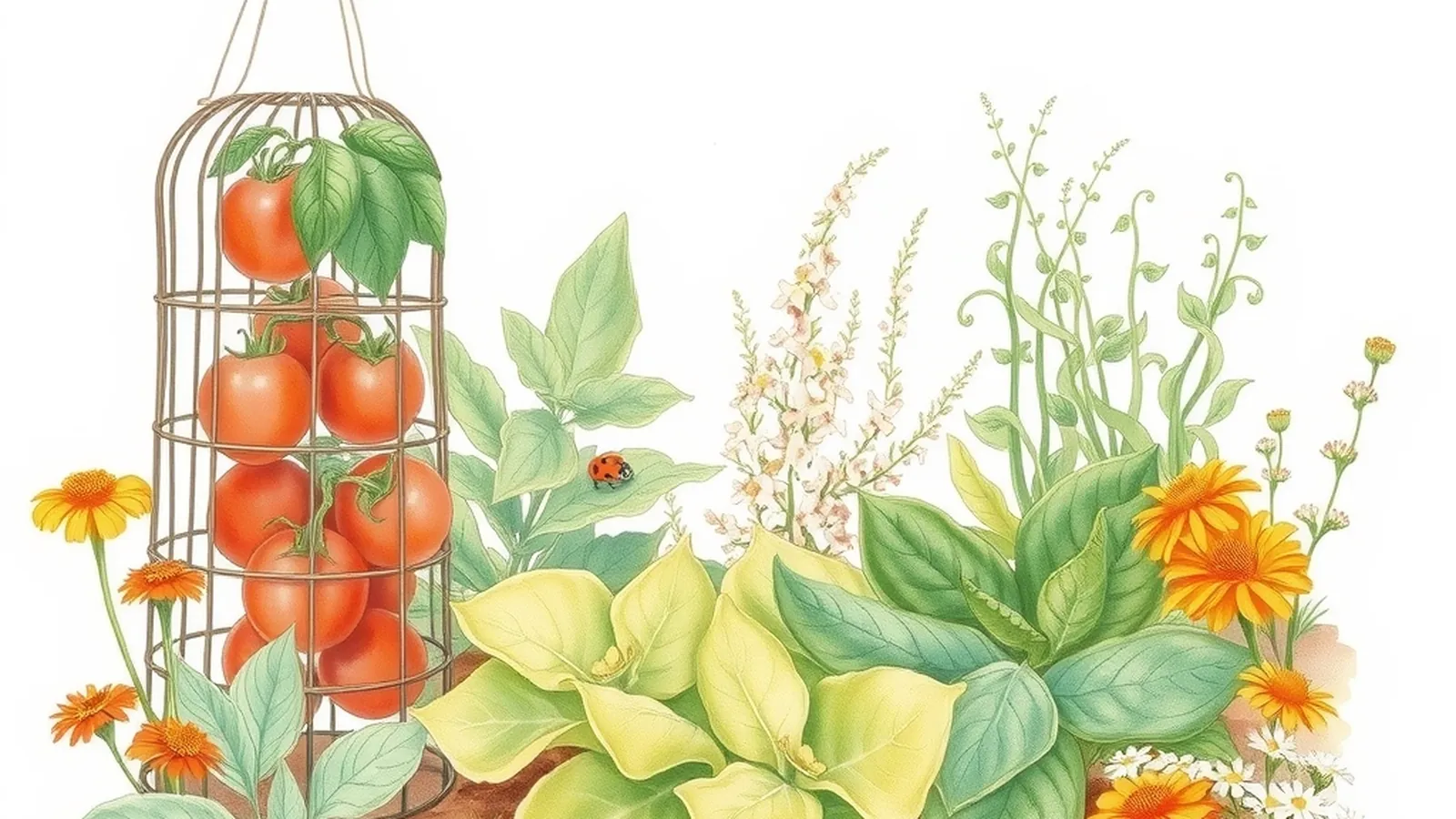
Companion planting means growing certain plants near each other because they may help each other, for example by drawing helpful insects, sharing space well or providing shade. Some pairings, like tall crops shading lettuce or flowers bringing in pollinators, have clear reasoning. Many others are traditional advice passed down for generations, with mixed or limited evidence. The chart below lists common pairings with honest notes, so you can try them as experiments.
Companion planting is one way to plan a more varied, interesting bed. It fits alongside the crop guides in our Vegetables & Herbs section, and the most useful parts are really about spacing, timing and diversity.
What companion planting can and can't do
The ideas with the most practical sense behind them:
- Inviting beneficial insects. Flowering plants with small, open blooms, such as dill, cilantro, alyssum and yarrow, can feed insects that eat or parasitize pests.
- Using space well. Pairing tall and short, or quick and slow crops, lets you grow more in the same bed.
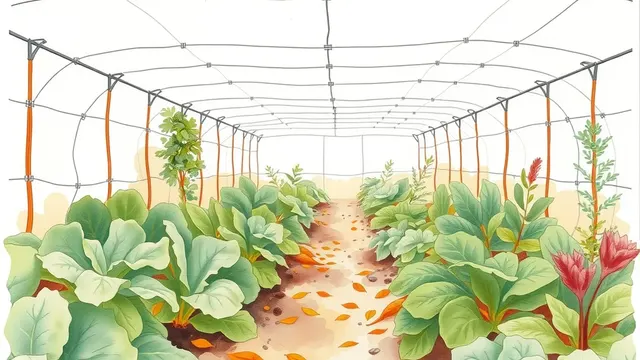
- Shade and shelter. Taller plants can shade heat-sensitive greens in summer.
- Diversity. Mixing crops instead of growing big blocks of one plant can make it harder for some pests to find their favorite food.
What it can't do: promise healthy plants, replace good soil and watering, or keep a garden free of pests. If a source says a single companion plant repels every pest, be skeptical.
A companion planting chart
These pairings are common in gardening tradition. The notes say what's plausible and where the evidence is mixed. Results vary with your climate, soil and pests.
| Crop | Traditional companions | Traditionally kept apart | Honest note |
|---|---|---|---|
| Tomatoes | Basil, marigolds, carrots, lettuce | Potatoes, fennel | Basil is a classic pairing; evidence on pest effects is mixed. Keeping potatoes separate makes sense because they share diseases. |
| Peppers | Basil, onions, carrots | Fennel | Mostly about sharing sun and space well. |
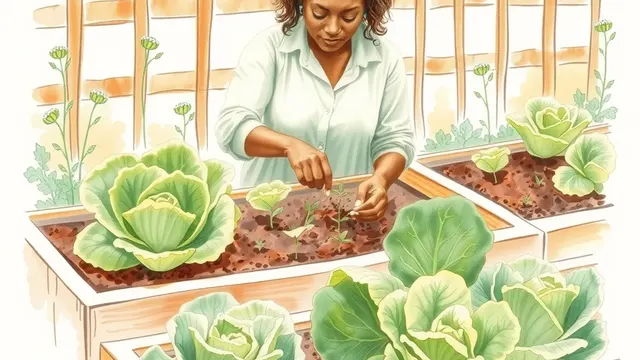
| Lettuce | Tall crops for summer shade, radishes, carrots | Few listed | The shade benefit is practical and easy to see. |
| Beans | Corn, squash, summer savory, carrots | Onions, garlic | Corn, beans and squash together are a long Indigenous growing tradition. |
| Peas | Carrots, radishes, lettuce | Onions, garlic | Mostly about timing and space; peas are cool-season like their companions. |
| Squash | Beans, corn, nasturtiums, dill | Potatoes | Flowers nearby can help draw pollinators to squash blossoms. |
| Cabbage family | Dill, thyme, onions | Strawberries | Aromatic herbs are a traditional pairing; evidence is mixed. |
| Carrots | Onions, leeks, lettuce | Dill (when mature) | Onion and carrot pairings are traditional; results vary. |
| Potatoes | Beans, cabbage | Tomatoes, squash | Separating potatoes and tomatoes is about shared diseases. |
Fennel shows up often as a plant to keep separate. Many gardeners simply grow it in its own spot.
The Three Sisters
The best-known companion system in North America is the Three Sisters: corn, beans and squash grown together, developed by Indigenous farmers. Corn gives beans a stalk to climb, beans grow up without needing a separate trellis, and squash leaves shade the ground around them. It takes room and planning, since corn needs to be several inches tall before you plant the beans. If you want to try it, ask your local Cooperative Extension office about timing for your area.
Spacing and diversity: the parts that matter most
Even if every traditional pairing turned out to be neutral, mixing plants thoughtfully still helps. A few practical rules:
- Give each plant its full space. A "companion" crammed too close becomes competition for water, light and nutrients.
- Mix families. Plant tomatoes, beans, lettuce and herbs in one bed instead of a block of only tomatoes.
- Add flowers. Tuck a few flowering herbs or annuals into the corners and ends of beds.
- Pair tall with short thoughtfully. Put tall crops on the north side so they don't shade sun lovers, or on purpose where they'll shade lettuce.
- Rotate. Move crop families to a different bed each year to reduce the buildup of some soil diseases.
Example: a companion-style bed
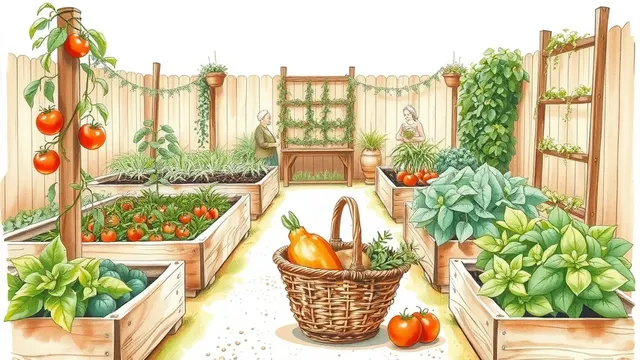
An example to show the idea, not a proven formula. Casey plants a 4-by-8 bed with two caged tomatoes on the north end, a row of basil in front of them, a block of bush beans in the middle, a short row of lettuce on the shady side of the tomatoes and a clump of dill and alyssum at each corner. Nothing is crowded, four plant families share the bed, and flowers bloom from early summer on.
Keeping a simple garden notebook
Since evidence is mixed, your own notes are valuable. Each season, jot down:
- What you planted next to what
- When pests showed up, and on which plants
- Which flowers drew the most insects
- What you'd change next year
After a couple of seasons, you'll know which pairings seem to help in your garden.
Inviting helpful insects
The strongest case for planting flowers among vegetables is that they feed beneficial insects like ladybugs, lacewings, hoverflies and tiny parasitic wasps. Our guide to beneficial insects explains how to recognize them and keep them around. Avoid spraying blooms, and if you use any pest control product, follow the label.
Be careful with garden "systems" for sale
Companion planting charts and planners are popular products. Some are well made; others promise pest-free gardens. Our checklist of warning signs can help you judge one before you buy, and much of the same information is free from Extension offices.
Where this connects
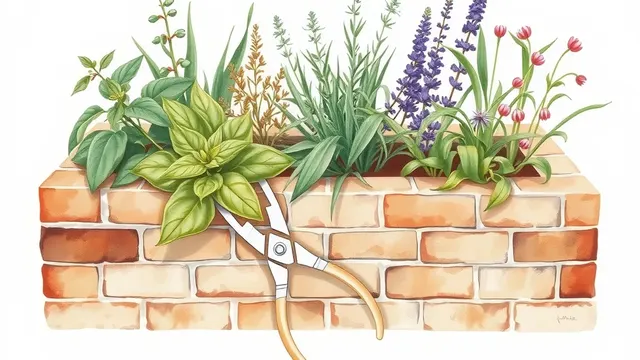
Companion planting pairs naturally with good timing. Our succession planting guide shows how to fit quick crops between slow ones in the same bed. A cool-season fall garden is a good time to try pairings like lettuce with radishes and carrots. And many of the best companion plants are herbs; growing herbs explains which ones like the same conditions as your vegetables.
Something to do this weekend
Choose one bed and add one flowering plant to each end, like dill, alyssum or calendula. Then start a page in a notebook for that bed and write down what you see visiting the flowers over the next few weeks.
Want a step-by-step plan or guide?
Some people like the structure of a paid guide or set of plans. This button opens a third-party program from one of our advertising partners. Its claims are its own, not ours, so weigh them against our checklist for judging paid plans.
See the partner program →We may be paid when you click. The program shown can change. Read its terms before you buy anything. How this works
Frequently asked questions
Does companion planting really work?
Some parts have good reasoning behind them, like mixing flowers in to draw beneficial insects or using tall crops to shade cool-season ones. Many specific pairings are traditional and the evidence is mixed, so treat them as ideas to test in your own garden.
What should not be planted next to tomatoes?
Tradition says to keep tomatoes away from potatoes, partly because they share some diseases. Giving tomatoes enough space and airflow matters more than any single neighbor.
Is marigold good for the vegetable garden?
Marigolds are a traditional companion and add flowers that can attract insects. Claims that they repel all pests aren't well supported, so think of them as a nice addition rather than a pest solution.