What to Plant in a Fall Garden
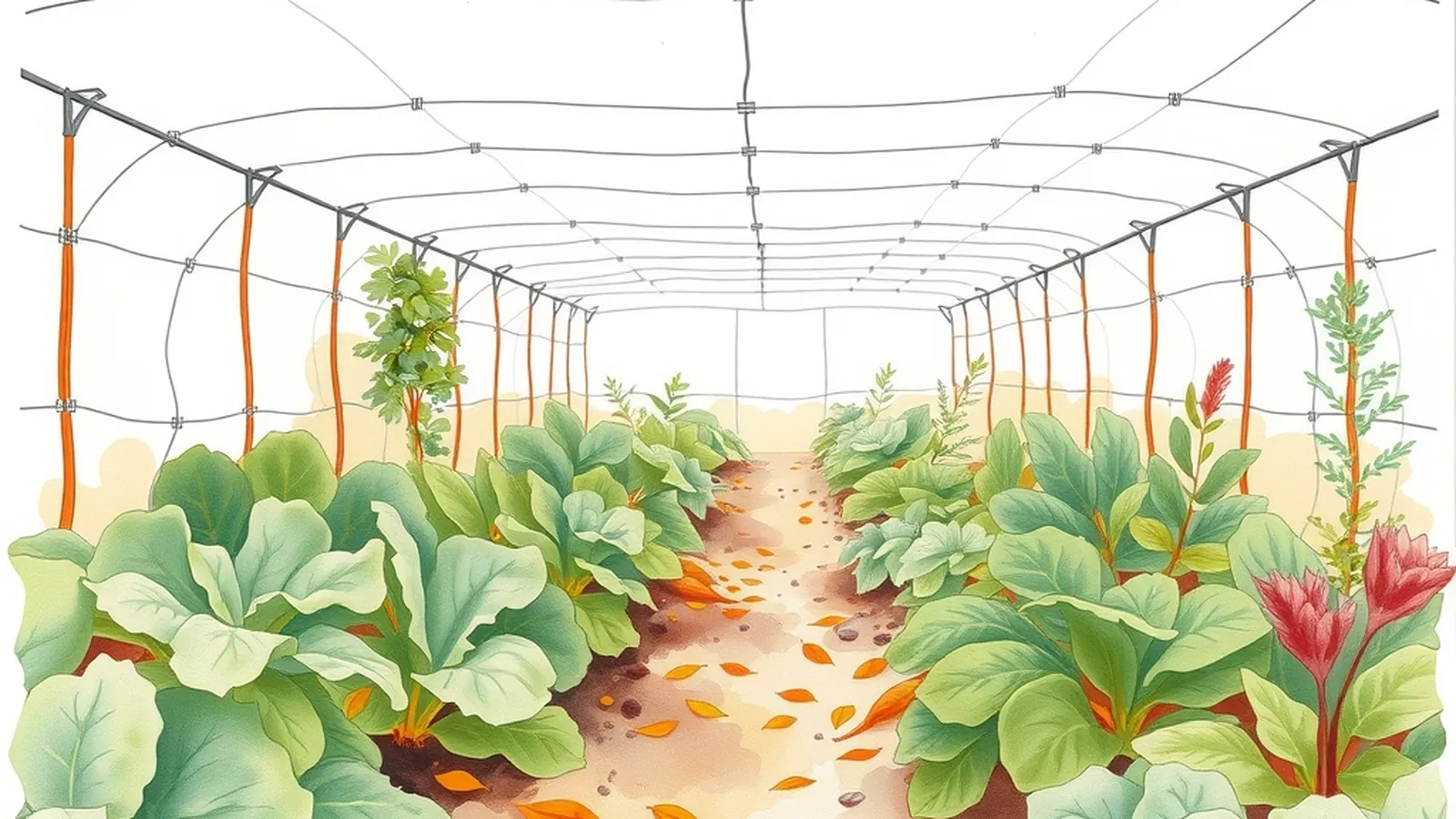
In a fall garden, plant cool-season crops like lettuce, spinach, kale, radishes, carrots, beets, broccoli and peas in mid to late summer, timed so they mature as the weather cools. Count back from your first fall frost date, start seeds in the summer heat with extra water and a little shade, and use row covers to protect plants and stretch the season once frost arrives.
Fall is a gift for gardeners. Pests usually slow down, the sun is gentler, and many crops taste their best in cool weather. It's also a great time to try again if your spring garden didn't go as planned. This guide fits into the seasonal planning covered throughout our Vegetables & Herbs section.
Best crops for a fall garden
| Crop | Start from | Frost tolerance | Notes |
|---|---|---|---|
| Lettuce and salad mix | Seed or transplant | Light frost | Quick; sow in shade during heat |
| Spinach | Seed | Good | Sprouts poorly in hot soil; sow as it cools |
| Arugula and Asian greens | Seed | Light to moderate | Very quick |
| Radishes | Seed | Light frost | One of the fastest crops |
| Kale and collards | Seed or transplant | Very good | Often sweeter after frost |
| Swiss chard | Seed or transplant | Moderate | Long harvest |
| Carrots | Seed | Good | Slow to sprout; keep soil moist |
| Beets | Seed | Moderate | Eat roots and greens |
| Broccoli and cabbage | Transplant | Good | Need a longer lead time |
| Peas | Seed | Light frost | Works in some regions; heat at sowing can be a challenge |
| Garlic | Cloves | Very good | Planted in fall, harvested the following summer |
Garlic is a special case. It goes in the ground in fall, sits through winter and is harvested the next year. Your local Extension office can tell you the usual planting window for your area.
Timing: count back from your first frost
The most important step is working out when to plant. Here's how:
- Find your average first fall frost date. It depends on where you live. Our guide to planting zones and frost dates explains the difference between your hardiness zone and your frost dates, and where to look them up.
- Check days to maturity on the seed packet for each crop.
- Add about two weeks because plants grow more slowly as days get shorter and cooler. Some gardeners call this the "fall factor."
- Count back from your first frost date by that total. That's your latest sowing date.
A worked example
This example uses a fictional garden. Jamie's average first frost is in late October. They want to grow a carrot variety with about 70 days to maturity. Adding two weeks for slower fall growth gives about 84 days. Counting back from late October puts their last good sowing date around early August. So they sow carrots in late July to give themselves a little cushion.
Frost-hardy crops like kale and carrots can keep growing after the first light frost, so you have some flexibility with them. Tender crops like lettuce need to be mostly grown by then.
Sowing in summer heat
Starting a fall garden means sowing when it's still hot. A few adjustments help seeds sprout:
- Sow in the evening so seeds have a cool night before the next day's heat.
- Shade the soil. Lay a board, burlap or shade cloth over the row until sprouts appear, then remove it.
- Water gently and often. The top of the soil dries fast in summer. Keep it moist until seedlings are established.
- Start some indoors or in a shady spot. Lettuce and broccoli can be started in pots out of the hottest sun and planted out a few weeks later.
- Sow a little deeper than in spring, where the packet allows, since the soil surface dries faster.
Making room for fall crops
Your fall garden usually goes in where spring and early summer crops finished. As you pull spent peas, early potatoes or bolted lettuce, refresh the soil with a thin layer of compost and replant. Our succession planting guide includes a sample schedule showing how one bed can hold three crops in a year.
If you're new to all this, the friendliest fall crops are radishes, lettuce and kale, all of which appear in our list of the easiest vegetables to grow.
Row covers and simple season extenders
Once frost arrives, a little protection can keep crops going for weeks longer.
- Floating row cover: a lightweight fabric laid over plants or over wire hoops. It traps some warmth and protects against light frost. Weigh down the edges.
- Cold frame: a bottomless box with a clear lid. It holds more heat and suits greens. Open the lid on sunny days so plants don't overheat.
- Mulch: a thick layer of straw or shredded leaves around carrots, beets and other roots helps keep the soil from freezing hard, so you can dig later into the season.
- Old sheets in a pinch: on a single cold night, a sheet over plants can help. Remove it in the morning, and avoid plastic touching leaves.
How long these tools extend your season depends on how cold your winters get.
Fall garden care
- Water less than in summer, but don't let new plantings dry out.
- Watch for cabbage worms (small green caterpillars) on kale and broccoli. Hand-pick them.
- Keep picking greens often to encourage new growth.
- Clean up diseased plant debris from summer crops so problems don't carry over.
Free planting calendars
Many Cooperative Extension offices publish fall planting calendars for their region, often for free. They're the best source for dates that match your local weather. Our guide to free gardening resources shows how to find yours.
Harvesting through the fall
Fall harvests are often spread out. You can pick greens leaf by leaf, pull roots as you need them and leave hardy crops in place well into cold weather. Our guide to harvesting vegetables explains the signs of ripeness for each crop and how to store what you pick.
Something to do this weekend
Look up your average first fall frost date and write it at the top of a page. Below it, list three cool-season crops you'd like to grow, their days to maturity from the seed packet, and the sowing date you get when you count back. You now have a fall garden plan.
Want a step-by-step plan or guide?
Some people like the structure of a paid guide or set of plans. This button opens a third-party program from one of our advertising partners. Its claims are its own, not ours, so weigh them against our checklist for judging paid plans.
See the partner program →We may be paid when you click. The program shown can change. Read its terms before you buy anything. How this works
Frequently asked questions
When should I start a fall garden?
Usually in mid to late summer. Count back from your average first fall frost date using the days to maturity on the seed packet, then add a couple of extra weeks because growth slows as days get shorter.
What vegetables taste better after frost?
Kale, collards, Brussels sprouts, carrots and parsnips are often described as sweeter after light frosts. Gardeners have long noticed this, though how much depends on the weather and variety.
Can I plant a fall garden in a hot climate?
Yes, and in many hot areas fall is the best growing season. You may plant later than in cooler regions and grow right through a mild winter. Your local Extension office has the right dates.