When to Harvest Vegetables
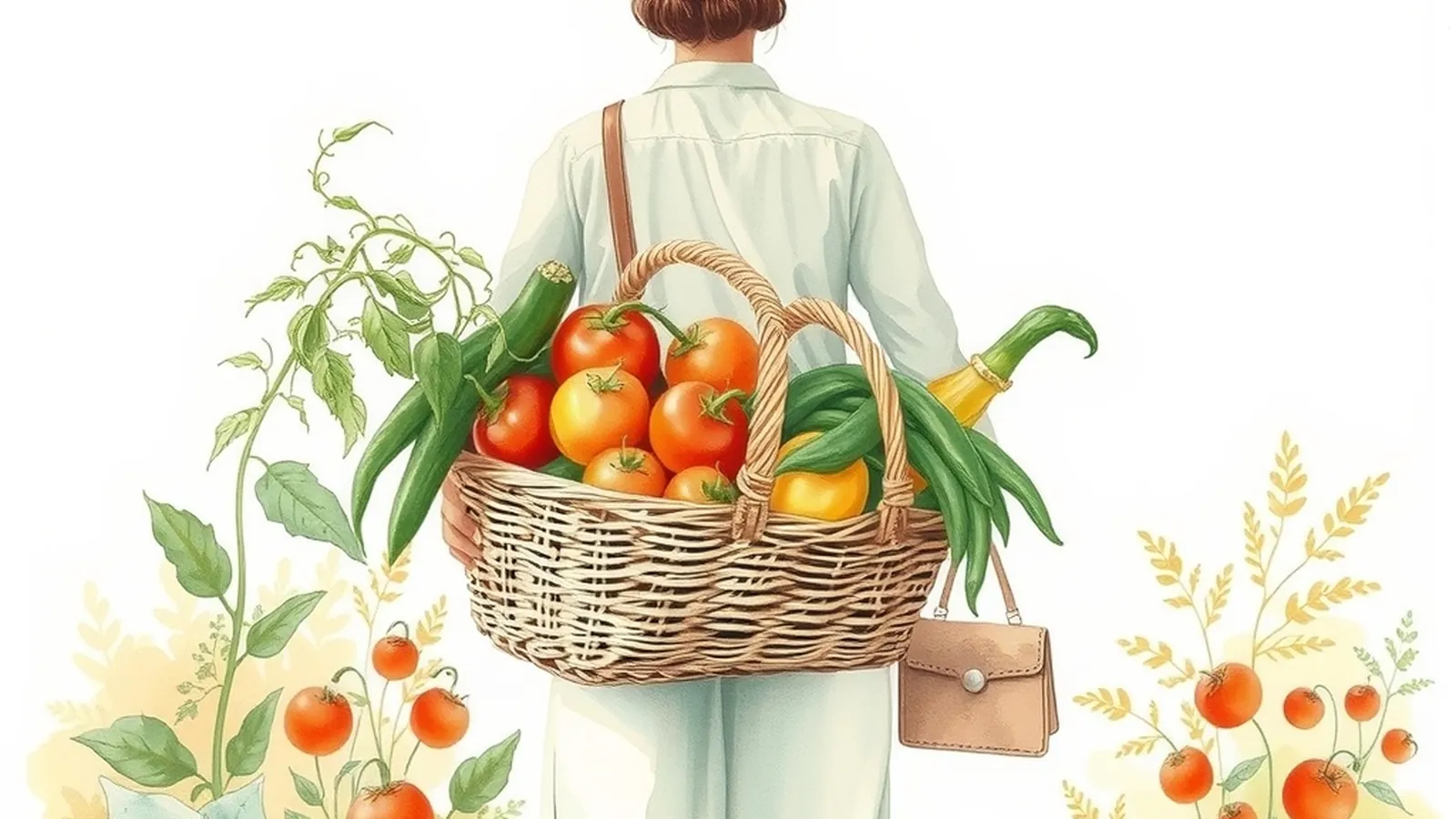
Harvest most vegetables when they reach a usable size and look and feel their best, which is often earlier than beginners expect. Beans should be slim and snap cleanly, zucchini slim and glossy, lettuce crisp before it bolts, and tomatoes fully colored with a slight give. For crops that keep producing, picking often encourages more harvests.
Knowing when to pick is the last step in every crop guide in our Vegetables & Herbs section, and it's where your effort pays off. This page collects the signs for common crops in one place, plus tips for storing what you bring inside.
General rules for harvesting
- Pick often. Beans, peas, zucchini, cucumbers, okra and herbs make more when you keep picking. Overgrown fruit tells the plant its job is done.
- Pick young for tenderness. Most vegetables are tastier a little small than a little big.
- Pick in the cool of the morning. Leaves and fruits are crisp and full of water.
- Use clean tools. Pruners, scissors or a sharp knife make clean cuts and reduce damage to plants. Pulling can break stems.
- Handle gently. Bruised produce spoils fast.
- Harvest before a hard frost for tender crops, and let frost-hardy crops stay out a bit longer.
Signs of ripeness by crop
| Crop | When it's ready | How to pick |
|---|---|---|
| Tomatoes | Full color, slight give when squeezed | Twist or snip; can ripen indoors after first blush |
| Peppers | Firm, glossy, full size; color change optional | Snip the stem |
| Bush and pole beans | Slim, firm pods that snap; seeds not bulging | Pinch or snip, two hands |
| Snap and snow peas | Snow: flat pods; snap: plump, crisp pods | Pinch or snip |
| Zucchini and summer squash | Slim, glossy skin you can dent with a fingernail | Cut with a knife |
| Winter squash and pumpkins | Hard rind, deep color, drying stem | Cut, leaving a few inches of stem |
| Cucumbers | Firm, even color, before yellowing | Snip the stem |
| Lettuce and greens | Leaves full size and crisp, before bolting | Outer leaves or cut whole |
| Spinach | Leaves a usable size, before flower stalks | Pinch outer leaves |
| Radishes | Roots about the size the packet describes; check by brushing soil aside | Pull |
| Carrots and beets | Shoulders reach the expected size at the soil line | Loosen soil, then pull |
| Potatoes | New: after flowering. Storage: after foliage dies back | Dig gently with a fork |
| Broccoli | Tight, firm green buds before any yellow flowers open | Cut the main head; side shoots follow |
| Kale and chard | Leaves a usable size | Pick lower leaves, leave the center |
| Onions | Tops fall over and start to brown | Pull and cure |
| Herbs | Before flowering for most leafy herbs | Snip above a leaf pair |
| Sweet corn | Silks brown and dry; kernels release milky juice when pressed | Pull down and twist |
The seed packet's days to maturity is a helpful starting guide, but the plant tells you more. Weather, variety and care all shift the timing.
Picking often: why it matters
Many vegetables are, in effect, trying to make seeds. Once a bean pod or zucchini matures fully, the plant has done its job and slows down. Picking keeps the plant trying.
A simple routine:
- Walk the garden every day or two in peak season with a basket and clean pruners.
- Pick everything that's ready, including anything oversized you missed.
- Remove damaged or diseased fruit so it doesn't attract pests.
- Note what's coming soon so you can plan meals.
Example: a weekly harvest routine
An example for a small summer garden. Avery works long days, so they harvest on three set mornings a week before work. On each pass they pick beans and zucchini, snip basil, check tomatoes and pull a few lettuce leaves for lunch. Anything they can't use that week goes into the freezer or to a neighbor. Because they never let zucchini get away from them, the plants keep producing through late summer.
Storing your harvest fresh
Different vegetables want different conditions. A rough guide:
| Store this way | Vegetables |
|---|---|
| Counter, out of direct sun | Ripe tomatoes, winter squash, onions and garlic after curing |
| Fridge, in a breathable bag or container | Beans, peas, zucchini, cucumbers, peppers, broccoli |
| Fridge, rinsed, dried and wrapped in a towel | Lettuce, spinach and other greens |
| Fridge, tops removed | Carrots, beets, radishes (cut tops off so roots stay crisp) |
| Cool, dark, ventilated spot | Cured potatoes, kept away from onions |
| Water glass on the counter, like flowers | Basil and parsley stems |
Brush off soil before storing. Many vegetables keep better unwashed until you're ready to eat them. Always wash produce well before eating.
When you have more than you can eat
Big harvests happen, especially in midsummer. A few options:
- Share with neighbors, friends or a local food pantry that accepts fresh produce
- Plan meals that use a lot at once, like soups, sauces and stir-fries
- Freeze vegetables you can't use in time
Freezing is one of the simplest ways to keep vegetables. Most need a short blanching step first to hold flavor and texture. Our guide to freezing produce walks through blanching, packing and labeling. If you want to try canning, use only tested recipes from the USDA or the National Center for Home Food Preservation, as explained in our canning basics guide.
Harvest tips for specific crops
Tomatoes: if a heat wave is coming or squirrels are stealing fruit, pick at the first blush of color and finish ripening indoors. For the full season of care leading up to picking, see how to grow tomatoes.
Fall crops: many cool-season crops can stay in the garden into cold weather. Kale, carrots and leeks handle light frost, and you can harvest them as you need them. Our fall garden guide explains row covers and mulch that help.
First-year gardeners: crops like radishes, bush beans and lettuce are the easiest to judge, since you can taste-test as you go. Our list of easy vegetables is a good place to start if you're picking crops for next season.
Something to do today
Walk your garden with a basket and pick anything that's ready, plus anything oversized. If nothing's growing yet, print the ripeness table above and tape it inside a kitchen cabinet so it's ready when your first crops come in.
Want a step-by-step plan or guide?
Some people like the structure of a paid guide or set of plans. This button opens a third-party program from one of our advertising partners. Its claims are its own, not ours, so weigh them against our checklist for judging paid plans.
See the partner program →We may be paid when you click. The program shown can change. Read its terms before you buy anything. How this works
Frequently asked questions
What time of day is best to harvest vegetables?
Early morning is usually best, especially for leafy greens, herbs and cucumbers, because plants are full of water and cool. Tomatoes and peppers can be picked any time.
Should I wash vegetables right after picking?
Brush off loose soil, but many vegetables keep better if you wait to wash them until just before eating. Leafy greens are the exception: rinse, dry well and refrigerate. Always wash produce before you eat it.
What happens if I wait too long to harvest?
Many vegetables turn tough, seedy, stringy or bitter when left too long, and plants like beans, zucchini and cucumbers may slow down or stop making new fruit.