How to Grow Tomatoes
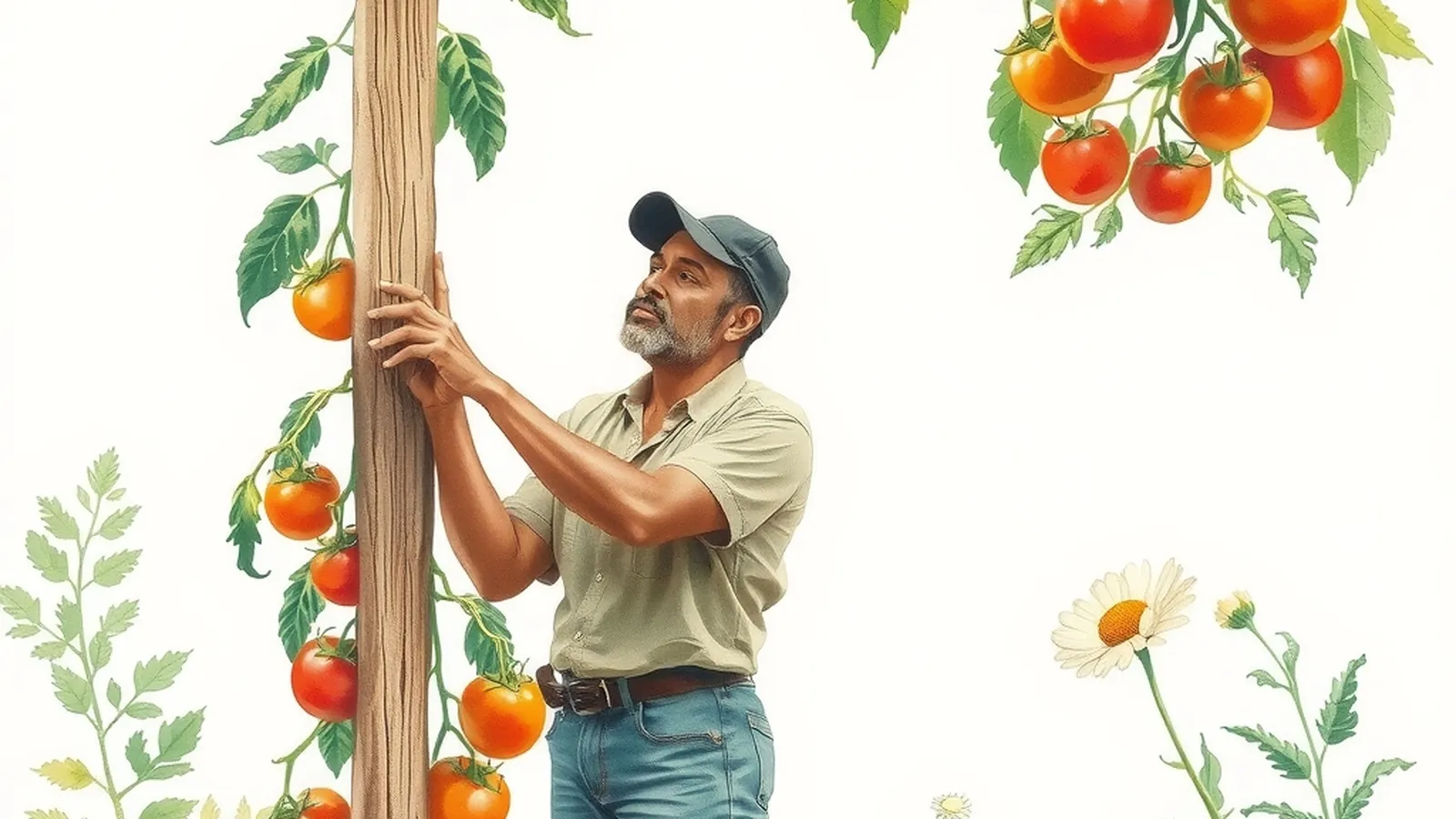
To grow tomatoes, plant a young transplant in full sun after your last frost, bury it deeper than it sat in its pot, give it a stake or cage right away, and water deeply and evenly all season. Pick fruits when they're fully colored and give slightly to a gentle squeeze. The rest is mostly watching for problems early.
Tomatoes are the crop many people start a garden for, and they're worth the extra attention. This guide is the tomato chapter of our Vegetables & Herbs section, which covers other summer crops and the basics of when to plant.
Choosing a type of tomato
You'll see two words on nursery tags that matter more than the variety name:
- Determinate plants grow to a set size, usually smaller, and ripen most of their fruit over a few weeks. They suit containers, small beds and anyone who wants to cook or preserve a batch at once.
- Indeterminate plants keep growing and fruiting until frost. They get tall and need strong support, but they spread the harvest across the season.
Fruit size matters too. Cherry and grape tomatoes are usually the most forgiving for beginners, since they ripen faster and crack less. Large slicing tomatoes take longer. If your summers are short, look for varieties described as early. If you garden where summers are very hot, ask your Cooperative Extension office which types set fruit well locally.
When to plant
Tomatoes are warm-season plants. Frost kills them, and cold soil stalls them. Plant outside after your area's last frost date, once nights stay comfortably mild. Your frost dates depend on where you live, so look them up locally rather than following a calendar from another region.
Most beginners buy transplants. Look for stocky plants with dark green leaves and no flowers or fruit yet. A short, sturdy plant settles in better than a tall, leggy one.
How to plant a tomato, step by step
- Pick the sunniest spot you have. Tomatoes want six to eight or more hours of direct sun.
- Harden off the transplant. Over about a week, set it outside for a few hours a day, then longer, so it adjusts to sun and wind.
- Dig a deep hole. Remove the lowest leaves and set the plant so most of the bare stem is below the soil, leaving the top few sets of leaves above ground. If your soil is shallow, dig a trench and lay the stem sideways; the tip will turn upward within days.
- Mix in compost. A shovelful of finished compost in the planting area helps. Follow the label if you use a fertilizer.
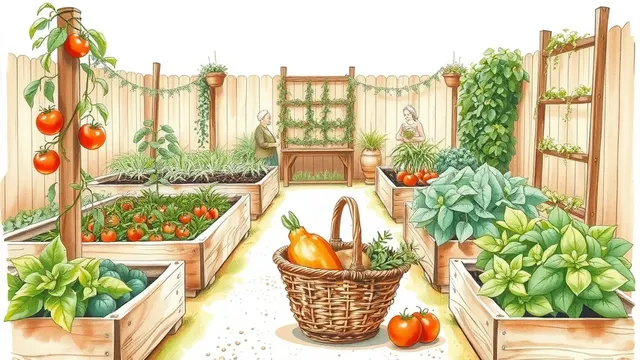
- Set the support now. Push in a stake or set a cage at planting time so you don't damage roots later.
- Water deeply. Soak the soil around the plant, then add mulch once the soil has warmed.
Space plants so air can move between them. Crowded tomatoes stay wet longer, which invites leaf diseases.
Staking, caging or trellising
| Method | Best for | Pros | Things to know |
|---|---|---|---|
| Cage | Determinate and small indeterminate plants | Little tying, simple | Small wire cages often tip over under tall plants |
| Stake | Indeterminate plants in tight rows | Saves space, good airflow | Needs tying every week or so with soft ties |
| Trellis or string | Several plants in a row | Tidy, easy to pick | Takes more setup and regular training |
Whatever you choose, make it taller and sturdier than you think you'll need. Indeterminate plants can grow well past head height in a long season.
Watering and feeding
Uneven watering causes many tomato troubles, including cracked fruit and blossom-end rot (a dark, sunken patch on the bottom of the fruit). Aim for deep, steady watering at the base of the plant, ideally in the morning. A soaker hose or drip line keeps leaves dry and saves time.
Check the soil with your finger. If it's dry an inch or two down, water. In a hot spell, containers may need water daily. A layer of straw or shredded leaves helps hold moisture in.
Too much nitrogen gives you a big leafy plant with few tomatoes. A balanced fertilizer at planting and a light side dressing once fruit sets is usually enough. Always follow the label rates.
Pruning suckers (optional)
Suckers are the shoots that grow in the angle between a leaf and the main stem. On indeterminate plants, some gardeners pinch off a few to keep the plant manageable and improve airflow. It's optional. Determinate plants generally don't need it, since removing suckers can reduce their fruit.
Common tomato problems
| What you see | Likely cause | First step |
|---|---|---|
| Yellow, spotted lower leaves | Leaf disease, often spread by splashing water | Remove affected leaves, water at the base, improve airflow |
| Dark sunken patch on the fruit bottom | Blossom-end rot, linked to uneven watering | Water evenly and mulch; pick off affected fruit |
| Cracks around the stem end | Heavy watering or rain after a dry stretch | Keep moisture steady |
| Big green caterpillars, chewed leaves | Hornworms | Hand-pick them |
| Flowers drop with no fruit | Heat, cold nights or water stress | Wait for steadier weather, keep watering even |
Leaf spots and blights are the problems most gardeners meet sooner or later. Our guide to common plant diseases explains how to tell them apart and what to do, starting with the gentlest fix.
Harvesting tomatoes
Pick when the fruit has its full color and gives slightly when squeezed. In very hot weather, you can pick at the first blush of color and let fruit finish ripening indoors at room temperature, out of direct sun. Store ripe tomatoes on the counter rather than in the fridge if you'll eat them soon. Wash them before eating.
At the end of the season, before frost, pick any fruits that have started to turn and let them ripen inside.
What to grow near tomatoes
Peppers like the same warm conditions and full sun, so they're natural neighbors in a summer bed. Our guide to growing peppers covers why they're slower to start. Lettuce can grow in the light shade on the north side of tall tomato plants as summer heats up; see growing lettuce and greens for timing. If tomatoes feel like a lot for a first year, our list of the easiest vegetables to grow can help you balance them with lower-effort crops.
Something to do this weekend
If it's planting season where you live, set your stakes or cages in place before you plant. If it isn't, walk your yard at midday and find the spot with the most direct sun. Mark it now, and next spring your tomatoes already have a home.
Want a step-by-step plan or guide?
Some people like the structure of a paid guide or set of plans. This button opens a third-party program from one of our advertising partners. Its claims are its own, not ours, so weigh them against our checklist for judging paid plans.
See the partner program →We may be paid when you click. The program shown can change. Read its terms before you buy anything. How this works
Frequently asked questions
Why do you plant tomatoes deep?
Tomato stems can grow roots wherever they touch soil. Burying the lower part of the stem gives the plant a bigger root system, which helps it find water and stand up better.
How often should I water tomatoes?
Water deeply when the top inch or two of soil is dry, which may be every few days in hot weather and less often when it's cool. Even moisture matters more than a fixed schedule.
Why are my tomato flowers falling off?
Blossoms often drop when days are very hot, nights are cold, or the plant is stressed by too little water. They usually start setting fruit again when the weather evens out.