How to Grow Lettuce and Salad Greens
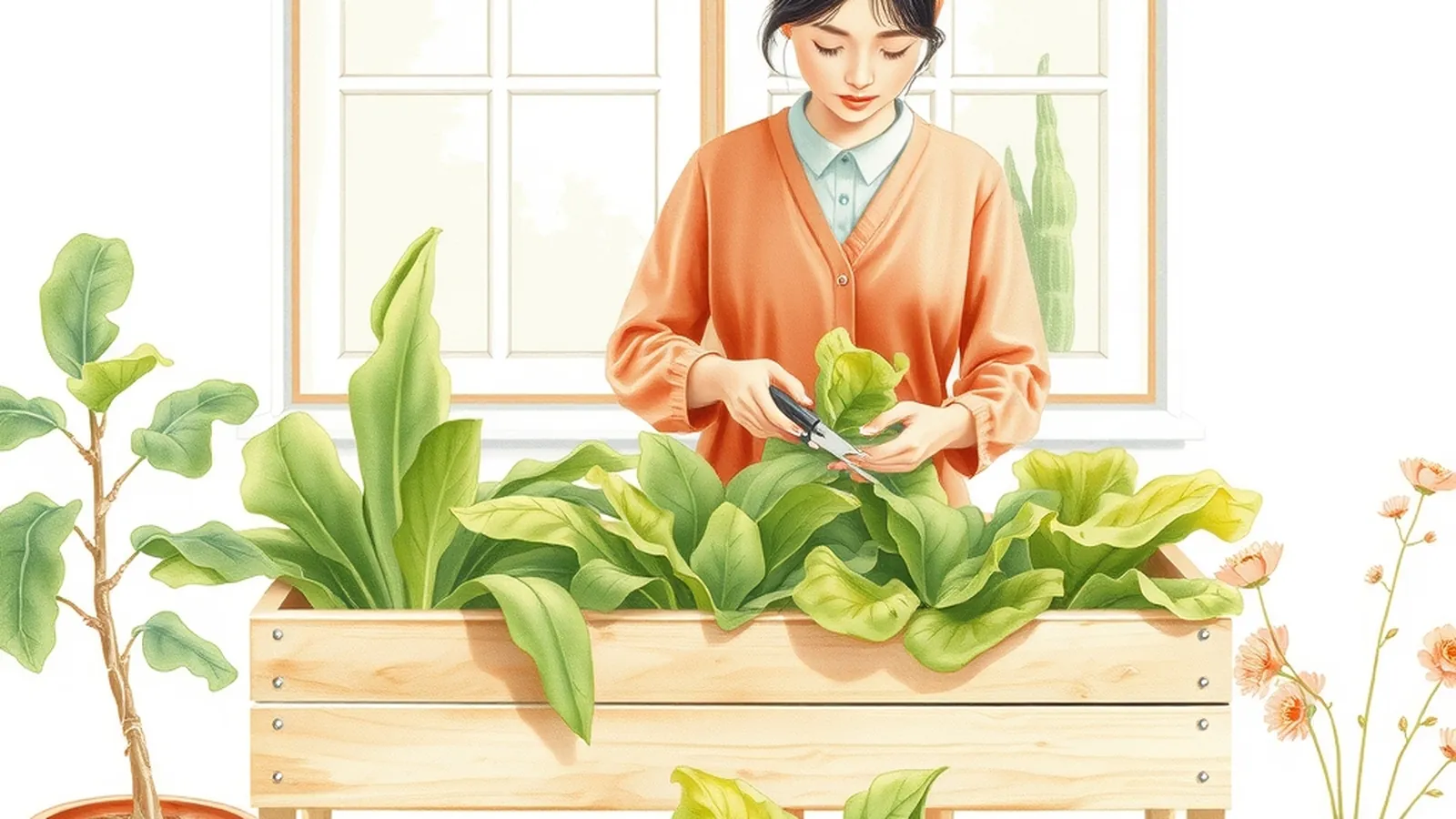
Lettuce and most salad greens grow best in cool weather, so sow them in early spring and again in late summer, keep the soil evenly moist, and pick the outer leaves as you need them. When summer heat arrives, give them some shade and expect them to bolt eventually. Then sow again when it cools off.
Greens are one of the fastest and most rewarding crops for beginners, and you can grow them in a garden bed, a raised bed or a window box. They're a cornerstone of the cool-season side of our Vegetables & Herbs section, alongside crops like peas and kale.
Types of lettuce and greens
| Type | What it's like | Good for beginners? |
|---|---|---|
| Loose-leaf lettuce | Open clumps of leaves, quick to pick | Yes, the easiest |
| Butterhead | Soft, loose heads | Yes |
| Romaine | Upright, crunchy heads | Yes, a bit slower |
| Crisphead (iceberg-style) | Tight heads | Harder, needs a long cool season |
| Spinach | Dark, tender leaves | Yes in cool weather, bolts fast in heat |
| Arugula | Peppery, very quick | Yes |
| Mustard and Asian greens | Mild to spicy, fast | Yes |
| Kale and chard | Sturdy, handle heat and cold better | Yes, long harvests |
Many seed companies sell mixes labeled "mesclun" or "salad mix," which combine several of these in one sowing. They're a fun way to start.
When to plant
Lettuce prefers mild temperatures. It can handle light frost, and it struggles in long stretches of hot weather. In most of the US, that means two main windows:
- Spring: sow outdoors a few weeks before your last frost date, as soon as you can work the soil.
- Late summer to fall: sow again so plants mature as the weather cools.
In mild-winter areas, lettuce may grow right through the winter. In hot-summer areas, the spring window can be short. Your local Cooperative Extension office can tell you the best dates for your region.
How to sow lettuce, step by step
- Prepare the soil. Loosen the top few inches and mix in compost. Lettuce has shallow roots and likes soil that holds moisture but drains.
- Sow shallowly. Lettuce seed is tiny and many types need light to sprout. Scatter seeds and press them in, or cover with just a dusting of fine soil.
- Keep it moist. Water gently every day or two until seedlings appear. A light board or burlap laid over the row, removed as soon as sprouts show, helps in warm weather.
- Thin seedlings. Pull or snip extras so plants aren't crowded. Eat the thinnings.
- Mulch lightly once plants are a few inches tall to keep roots cool.
Transplants work too, and they give you a head start in spring.
Cut-and-come-again harvesting
You don't have to wait for a full head. With loose-leaf types, spinach, arugula and most greens, you can harvest over several weeks:
- Outer-leaf picking: snap off the largest outer leaves and leave the center to keep growing.
- Shearing: cut the whole clump an inch or two above the soil with clean scissors. Many leaf lettuces regrow for another cutting or two.
Pick in the morning, when leaves are crisp. Rinse well in cool water, dry them, and store in the fridge in a container lined with a clean towel. Wash all greens before eating.
Bolting and how to slow it
Bolting is when the plant sends up a tall flower stalk. Leaves turn bitter and the plant stops producing good salad. Longer days and heat trigger it. You can't stop it forever, but you can delay it:
- Grow greens in spring and fall rather than midsummer
- Choose varieties described as slow to bolt or heat tolerant
- Keep the soil consistently moist
- Give plants afternoon shade as the weather warms
- Harvest often so plants stay young
When a plant bolts, pull it, compost it, and use the spot for something else.
Using shade to stretch the season
Shade is the lettuce grower's friend in summer. A few ways to use it:
- Plant on the east side of taller crops so greens get morning sun and afternoon shade
- Stretch shade cloth over a simple hoop frame
- Grow in containers you can move into the shade on hot days
That last option is especially handy. Lettuce is one of the best crops for pots, since it has shallow roots and you can move it around as the season changes. Our guide to container gardening covers pot sizes, drainage and potting mix.
Example: salad greens on a small patio
An example to show the idea. Jordan has a patio that gets sun until early afternoon. In early spring they sow a mesclun mix in two long window boxes and one wide pot, three weeks apart, so the harvests overlap. By early summer the first box starts to bolt, so they pull it and replant with basil. In late summer, they sow lettuce again in the shadiest pot and move it into full sun as fall comes on.
Common problems
- Slugs and snails: chewed holes with slime trails. Check at night and hand-pick.
- Aphids: clusters under leaves. Rinse with a strong water spray.
- Seeds not sprouting in summer: soil is too warm. Sow in the cooler evening, shade the row and keep it moist.
- Tip burn (brown leaf edges): often linked to heat and uneven watering.
Planning greens around other crops
Because lettuce grows fast and doesn't take much room, it fits into gaps all over the garden. Potatoes go in around the same cool spring time, so they're easy to plan together; see growing potatoes. Lettuce can fill the open space around young squash plants before they spread, which our guide to growing squash and zucchini explains. And it can grow as a spring crop in a bed that later takes warm-weather plants, as described in growing peppers.
Something to do this weekend
Fill one pot or a short row with lettuce seed and cover it lightly. Then write a reminder to sow again in two to three weeks. That one habit is the difference between one big salad week and a steady supply.
Want a step-by-step plan or guide?
Some people like the structure of a paid guide or set of plans. This button opens a third-party program from one of our advertising partners. Its claims are its own, not ours, so weigh them against our checklist for judging paid plans.
See the partner program →We may be paid when you click. The program shown can change. Read its terms before you buy anything. How this works
Frequently asked questions
Why does my lettuce taste bitter?
Bitterness usually comes with heat and the start of bolting, when the plant begins sending up a flower stalk. Pick in the cool morning, keep the soil moist and plan crops for spring and fall.
Can lettuce grow in shade?
Lettuce handles part shade better than most vegetables, especially in summer. Aim for at least a few hours of direct sun or bright, all-day light.
How do I keep harvesting lettuce from the same plant?
Pick the outer leaves and leave the center growing, or cut the whole clump an inch or two above the soil. Many leaf lettuces regrow for another round or two.