How to Grow Potatoes
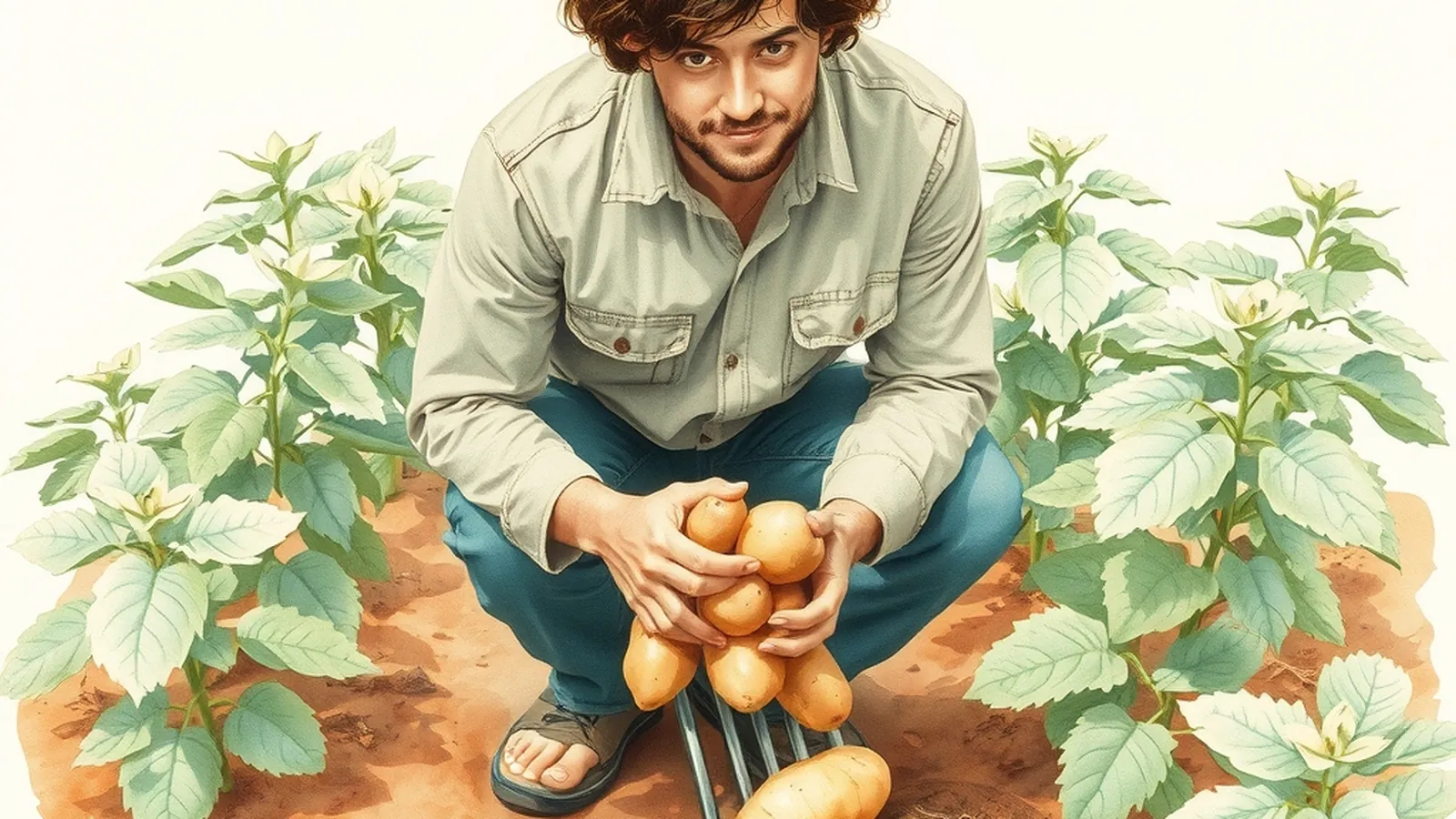
To grow potatoes, plant certified seed potatoes in loose soil in early spring, pile soil or mulch up around the stems as they grow (called hilling), keep the soil evenly moist, and dig once the plants have flowered for small new potatoes or after the foliage dies back for storage potatoes. Cure storage potatoes for about two weeks before putting them away.
Potatoes are satisfying to grow, especially the moment you dig into the soil and find them. They're one of the cool-season staples in our Vegetables & Herbs section, and they work in a garden bed, a raised bed or a grow bag on a patio.
Choosing seed potatoes
A "seed potato" isn't a seed. It's a potato, or a piece of one, that you plant to grow a new plant. Buy certified seed potatoes from a garden center or seed supplier. They're inspected for disease and haven't been treated to stop sprouting.
You'll see potatoes sorted by when they mature:
- Early season: ready soonest, good for new potatoes and short summers
- Mid season: a balance of speed and storage
- Late season: take longest, often store best
Texture matters for cooking, too. Waxy types hold their shape in salads and soups. Starchy types are fluffy for baking and mashing. All-purpose types sit in between.
Preparing seed potatoes
- Chit them (optional). A week or two before planting, set seed potatoes in a bright, cool room so short, sturdy sprouts form. This can give them a head start.
- Cut large ones. Cut potatoes bigger than an egg into chunks, each with at least one or two "eyes" (the buds sprouts grow from). Small potatoes can go in whole.
- Let cut pieces dry. Leave them a day or two so the cut surfaces form a dry skin, which helps prevent rot.
When and how to plant
Potatoes like cool weather but not frozen ground. Plant a few weeks before your last frost date, once the soil has dried out enough to work and isn't soggy. Your local Cooperative Extension office can tell you the usual window for your area. A light frost can nip young leaves, but plants usually regrow from below.
- Pick a sunny spot with loose, well-drained soil. Heavy, wet soil leads to rot. Mix in compost.
- Dig a trench several inches deep.
- Set seed pieces cut side down, with eyes facing up, spaced about a foot apart.
- Cover with a few inches of soil and water.
Avoid planting potatoes where you grew potatoes, tomatoes, peppers or eggplant last year. They're related and share some diseases, so rotating beds helps.
Hilling, and why it matters
New potatoes form along the buried stem, above the seed piece. Any that poke into the light turn green. Hilling keeps them covered and gives the plant more room to form tubers.
- When stems are several inches tall, pull soil, compost or straw up around them, leaving the top leaves showing.
- Repeat every couple of weeks until the plants start to flower or the hill gets hard to build.
- Keep a thick layer of mulch on top to hold moisture and block light.
Growing potatoes in grow bags or containers
No yard? Potatoes grow well in fabric grow bags, large pots or even sturdy bins with drainage holes. The steps are similar:
- Put a few inches of potting mix mixed with compost in the bottom.
- Set two or three seed pieces on top and cover with a few inches of mix.
- As stems grow, add more mix around them, leaving leaves showing, until the container is nearly full.
- Water more often than you would in the ground. Bags dry out quickly in warm weather.
Harvest is easy: tip the bag out onto a tarp and sort through the soil.
Example: potatoes on a sunny balcony
An example, not a plan for every balcony. Riley has a sunny balcony and a building that allows containers. In early spring they plant two large grow bags with an early-season variety, adding mix every couple of weeks. They place the bags near a wall away from the railing and check that the weight is fine with their landlord. In early summer, after flowering, they reach into the side of one bag for a few new potatoes and leave the rest to grow.
Watering and care
Potatoes need steady moisture, especially once they start to flower, which is when tubers form. Uneven watering can lead to knobby or hollow potatoes. Water deeply when the top inch or two of soil is dry. Ease off as the leaves start to yellow late in the season.
Watch for Colorado potato beetles, striped beetles that chew leaves, and their orange egg clusters under leaves. Hand-pick them into a bucket of soapy water.
When to dig
- New potatoes: a few weeks after plants flower, gently feel around the edges of the hill and pull a few small ones. Eat them soon.
- Storage potatoes: wait until the foliage has turned yellow and died back, then leave them in the ground another week or two so the skins firm up.
Dig on a dry day with a garden fork, starting well out from the plant to avoid spearing tubers. Handle them gently. Bruised or cut potatoes won't keep, so eat those first.
Curing and storing
Curing toughens the skin and helps small nicks heal, so potatoes last longer.
- Brush off loose soil, but don't wash them.
- Spread them in a single layer somewhere dark, cool and humid, with some air movement, for about two weeks.
- Store in a dark, cool, well-ventilated spot in a breathable bag or box. Keep them away from onions and apples.
- Check every couple of weeks and remove any that soften.
For other ways to keep your harvest, including freezing and cold storage, see our guide to preserving the harvest.
What to plant after and around potatoes
Once potatoes come out in midsummer, the bed is open for a fall crop. Quick greens are a good fit; see growing lettuce and greens. Beans are a nice follow-up in warm areas and add variety to your rotation, as covered in growing beans and peas. If you have a big sunny space, plan potatoes and squash in separate beds so the squash vines don't swallow the hills; our squash and zucchini guide explains how much room they take.
Want structured help planning a bigger garden? Before paying for a program, compare it with the free help your state Extension service already offers.
Something to do this weekend
If spring is coming, order certified seed potatoes now, since popular varieties sell out. If it's fall, mark a sunny bed with loose soil where you didn't grow tomatoes or peppers this year. That's your potato spot.
Want a step-by-step plan or guide?
Some people like the structure of a paid guide or set of plans. This button opens a third-party program from one of our advertising partners. Its claims are its own, not ours, so weigh them against our checklist for judging paid plans.
See the partner program →We may be paid when you click. The program shown can change. Read its terms before you buy anything. How this works
Frequently asked questions
Can I plant potatoes from the grocery store?
It's better to buy certified seed potatoes from a garden center or seed supplier. Store potatoes may be treated to slow sprouting and can carry diseases into your soil.
Why are some of my potatoes green?
Potatoes turn green when they're exposed to light. Green parts can taste bitter and contain a natural compound that can make people sick, so cut away green areas generously or toss very green potatoes, and keep tubers covered with soil while they grow.
Do I have to cure potatoes?
Only if you want to store them. New potatoes eaten within a few days don't need it. For keeping potatoes for weeks or months, a short curing period toughens the skins.