How to Grow Zucchini and Squash
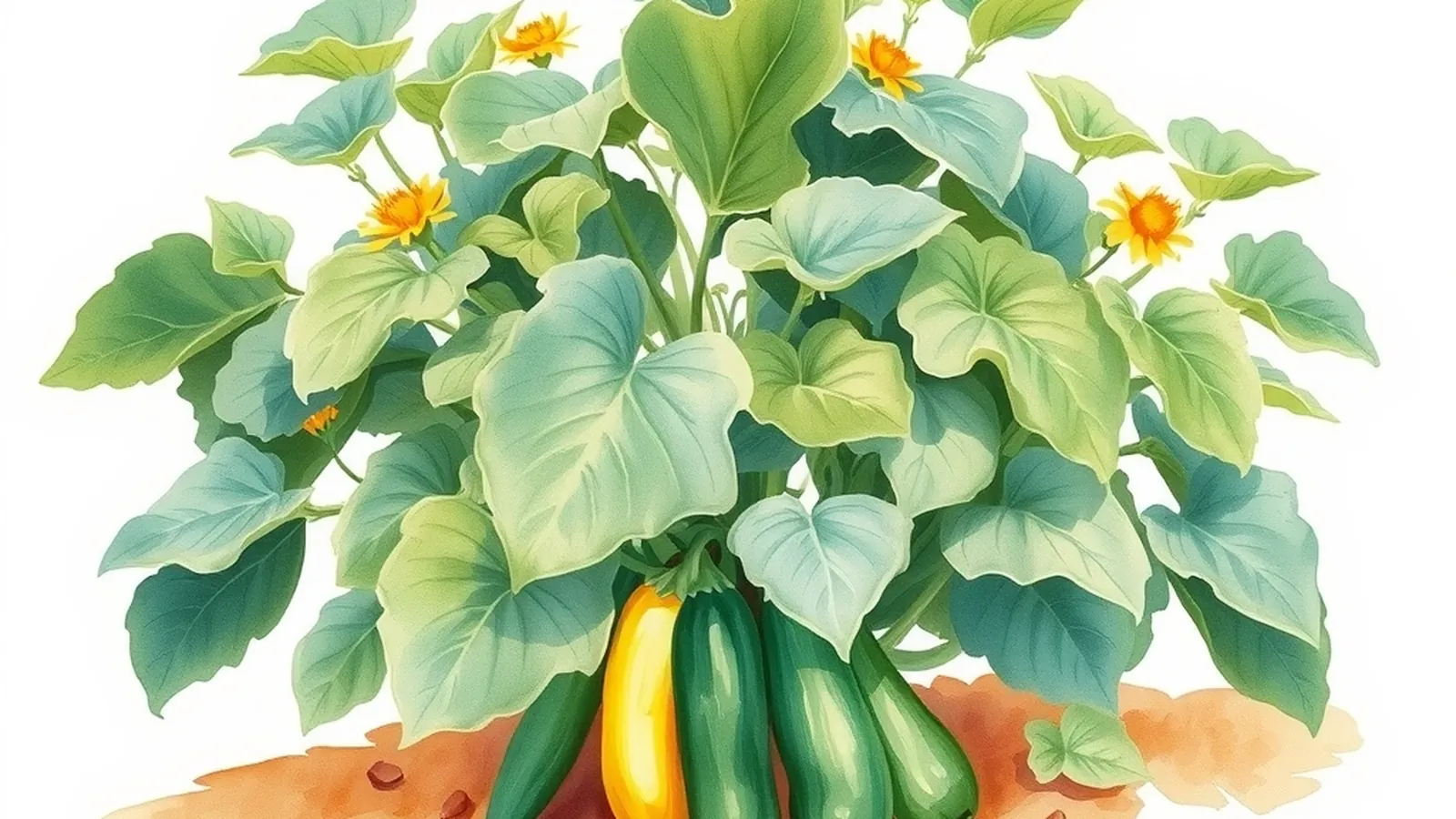
To grow zucchini and squash, plant seeds or transplants in full sun after your last frost, give each plant plenty of room, water deeply at the base, and pick summer squash young and often. If flowers drop without fruit early in the season, that's normal: the first blooms are usually male.
Squash plants grow fast and get big, which makes them fun for beginners and a little overwhelming if you don't plan for space. Along with tomatoes and beans, squash is one of the big summer crops in our Vegetables & Herbs section. Here we cover both summer squash (zucchini, yellow squash, pattypan) and winter squash (butternut, acorn, pumpkins).
Summer squash vs winter squash
| Summer squash | Winter squash | |
|---|---|---|
| Examples | Zucchini, yellow crookneck, pattypan | Butternut, acorn, spaghetti, pumpkins |
| Picked | Young, skin still soft | Fully mature, rind hard |
| Time to first harvest | Relatively quick | A long season |
| Plant shape | Mostly bushy | Often long, sprawling vines |
| Storage | About a week in the fridge | Weeks to months in a cool, dry place |
For a first garden, one or two zucchini or yellow squash plants are usually plenty. Winter squash needs a long, warm season and a lot of room, so try it once you know your space.
Space: plan for more than you think
A single zucchini plant can spread several feet in every direction. Winter squash vines can run much farther. Before you plant, check the spacing on the seed packet or plant tag and believe it.
Ways to fit squash into a smaller garden:
- Choose compact or "bush" varieties described for small spaces or containers
- Plant at the edge of a bed so leaves can spill over the path or lawn
- Train vining types up a sturdy trellis, supporting heavy fruits with slings
- Grow one zucchini in a large container, at least the size of a half barrel
Planting squash, step by step
- Wait for warmth. Squash is a warm-season crop and frost kills it. Plant after your local last frost date, once the soil feels warm.
- Pick full sun. Six to eight or more hours of direct sun.
- Enrich the soil. Mix a generous amount of compost into the planting spot. Squash is a hungry crop.
- Sow seeds directly. Plant a few seeds about an inch deep in each spot, then thin to the strongest seedling. Transplants work too, but handle the roots gently.
- Water in and mulch once seedlings are up and the soil has warmed.
Watering and feeding
Big leaves lose a lot of water on hot days. Water deeply at the base of the plant, ideally in the morning, so leaves stay dry. Wet leaves invite powdery mildew, the white, dusty coating that shows up on squash in mid to late summer.
It's normal for squash leaves to wilt in afternoon heat and perk back up by evening. If they're still wilted the next morning, check soil moisture first, then look at the base of the stem for damage.
A balanced fertilizer at planting, followed by compost or a light side dressing when flowers appear, is usually enough. Follow the label rates.
Pollination, explained simply
Squash plants make two kinds of flowers:
- Male flowers sit on a plain, thin stem. They usually open first, often a week or more before any females.
- Female flowers have a small, immature squash right behind the bloom.
Bees carry pollen from male flowers to female ones. If a female flower isn't pollinated, the tiny fruit turns yellow and shrivels.
If you see lots of females but few fruits forming, you can help by hand. In the morning, pick a fresh male flower, peel back its petals and gently touch its center to the center of an open female flower. Planting flowers and herbs nearby to invite bees also helps.
Harvesting: pick young, pick often
Summer squash grows fast. A fruit that looks small one day can be huge two days later. Check plants every day or two once they start producing.
- Cut zucchini and yellow squash with a knife or pruners when they're slim and the skin is glossy and easy to pierce with a fingernail.
- Pick pattypan when it's palm-sized or smaller.
- Remove any oversized fruits you miss. Leaving them on the plant slows new production.
- Pick winter squash when the rind is hard, the color is deep, and the stem near the fruit has started to dry. Leave a few inches of stem attached.
Wash squash before eating, and store summer squash in the fridge for use within about a week.
Squash bugs and other problems
Squash bugs are flat, grayish-brown insects that suck sap from leaves and stems. Their shiny bronze egg clusters show up on the undersides of leaves. Catching them early makes a big difference.
- Check under leaves every few days and scrape off or crush egg clusters
- Hand-pick adults and drop them in soapy water
- Lay a board on the soil overnight; bugs hide under it and you can collect them in the morning
- Clean up plant debris at the end of the season where they shelter
Other common issues include powdery mildew, squash vine borers (sudden wilting and a hole near the stem base, with sawdust-like debris) and cucumber beetles. Our guide to common garden pests has an identification table and gentle first steps. If you use any spray, choose one labeled for the pest and crop, and follow the product label.
Pairing squash with other crops
Squash plays well with other summer crops if you leave room. Pole beans on a trellis grow up while squash spreads out, which our guide to growing beans and peas explains. Flowering herbs such as dill, borage and oregano can draw pollinators toward squash blossoms; see growing herbs for which ones suit sunny beds. And if you're short on space, compare squash with a crop that grows mostly underground, like potatoes, before deciding which deserves your biggest bed.
Something to do this weekend
If your squash is already growing, flip over five leaves and look for bronze egg clusters. Scrape off any you find. If it isn't squash season yet, measure the spot you'd planned for zucchini and make sure it's at least as wide as your outstretched arms.
Want a step-by-step plan or guide?
Some people like the structure of a paid guide or set of plans. This button opens a third-party program from one of our advertising partners. Its claims are its own, not ours, so weigh them against our checklist for judging paid plans.
See the partner program →We may be paid when you click. The program shown can change. Read its terms before you buy anything. How this works
Frequently asked questions
Why are my zucchini flowers falling off without fruit?
Those are probably male flowers, which open first and drop after a day. Female flowers have a tiny squash at their base. Once both kinds are blooming at the same time, fruit usually follows.
How big should zucchini be when I pick it?
Most gardeners pick zucchini when it's slim and somewhere between hand length and the length of a small forearm. Smaller fruits are more tender, and picking often keeps the plant producing.
What's the difference between summer and winter squash?
Summer squash, like zucchini and yellow squash, is picked young with soft skin and eaten fresh. Winter squash, like butternut and pumpkins, is left to mature with a hard rind and can be stored for months.